








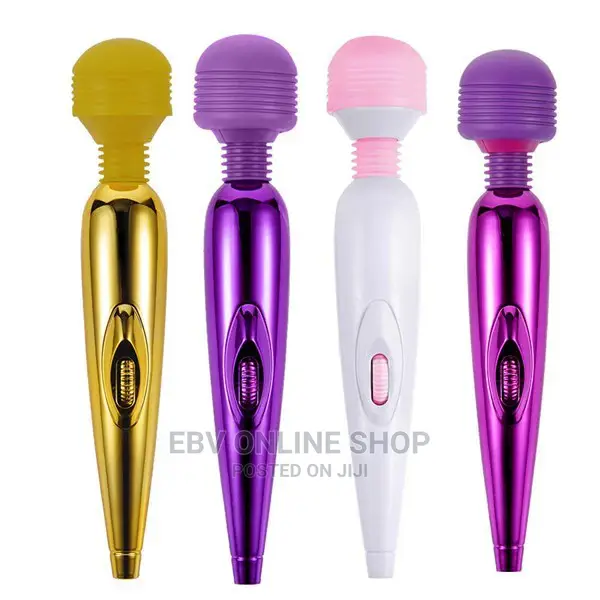
What used to be a hushed, private concern is increasingly becoming a visible, though still quiet, issue in Ghanaian society. Sex toy; vibrators, dildos, lubricants—are no longer rare curiosities. Thanks to the internet, online retail, and discreet local shops, they are being bought, discussed, and used by people across the urban middle class, especially women and couples, often out of sight but with rising frequency. Beneath the whispering lies a complex mix of faith, health, legality, tradition, and personal well-being. The question now is: as this market grows, who will ensure people are protected, informed, and free, not shamed?
To begin with, research and earlier investigative work help shed light on this development. One Ghanaian study titled Phallocentricism, Female Penile Choices, and the Use of Sex Toys in Ghana, which involved thirty-four urban interviewees, showed that despite strong cultural and religious opposition to non-procreative sexual practices, many men and women have begun to negotiate new sexual scripts. Women in that study admitted to using sex toys for self-pleasure and to assert choice over sexual satisfaction. Public health reports and media investigations have also noted increasing cases of injuries and health incidents linked to sex toys. Dr. Christian Amihere, for example, has spoken of women coming to clinics with skin irritation, allergic reactions, and infections, often after using cheaper or poorly made toys or using them without adequate lubrication or hygiene. A separate local health article listed dangers of unsafe materials such as porous toys that harbor bacteria, toxic substances like phthalates, mechanical damage from abrasions or tears, and even situations where objects get stuck. The consistent advice across these reports is to use non-porous materials, clean devices thoroughly, avoid sharing, and always use proper lubricant.
At the same time, religious and cultural concerns remain central. For many Ghanaians, biblical texts are frequently invoked. Passages such as “Flee from sexual immorality” (1 Corinthians 6:18), “This is the will of God… that you abstain from sexual immorality” (1 Thessalonians 4:3), and “Because of sexual immorality, let each man have his own wife, and each woman her own husband” (1 Corinthians 7:2) are interpreted by pastors to mean that marital intimacy is acceptable but artificial substitutes are not. Some church leaders argue that sex toys open the door to lust, dissatisfaction, and spiritual decay. Beyond religion, traditional wisdom also speaks. Proverbs across Ghana’s many ethnic groups warn against desire untempered by caution: the Akan say, “If you miss the right path, you will walk in circles,” while the Ewe warn that unchecked appetite brings downfall, echoed by the Ga, Nzema, and Dagbani in similar metaphors. In different words, the wisdom of the elders insists that what you crave without restraint may harm you.
From a health perspective, the risks cannot be overlooked. Toys made from substandard materials, especially cheap plastic and jelly-type substances, often contain chemicals that can negatively affect reproductive health. Poor cleaning practices increase infections, particularly when devices are shared or not disinfected properly. Others report micro-traumas or tearing of delicate tissue due to misuse. In fact, investigative reports show dermatological irritations, allergic responses, and infections are becoming common, sometimes requiring medical care, especially among wealthier women who can afford imported or higher-priced items. Misuse is frequently linked to low knowledge: many users do not know how to insert or remove certain devices safely, how to sterilize them, or which materials are medically safer.
In addition, the legal and social landscape complicates the matter further. Ghana’s laws, some inherited from colonial times, contain vague language about “obscenity” and “unnatural carnal knowledge.” These phrases are sometimes interpreted to criminalize sexual devices or practices outside vaginal intercourse. The lack of clarity creates fear, stigma, and hesitancy among users and sellers. Socially, people who use these devices often feel shame or hide their practices even from close partners, while religious leaders and conservative groups view the trend as immoral and foreign. On the other hand, younger and urban middle-class Ghanaians increasingly see sex toys as part of sexual wellness, self-knowledge, and personal dignity.
The voices of ordinary people make this tension vivid. “I have one. It’s nobody’s business. It helps me when insensitivity or pressure in relationships start mounting,” says Ama, a 28-year-old banker in Accra. A medical professional adds: “We’re treating people for damage after using unsafe products. Sometimes women come with tears, sometimes infections from sharing or using unclean devices,” notes Dr. Kafui Mensah, a gynaecologist in Accra. And a pastor insists otherwise: “God spoke of purity, of self-control. When machines replace intimacy, marriage begins to shift from God’s intention,” says Rev. Michael Owusu, a Pentecostal preacher.
All these testimonies raise deeper questions for Ghana. If consent and privacy matter, should the state regulate sex toy safety rather than ban or stigmatize them? Are biblical texts being applied fairly to a new phenomenon, or are they stretched by cultural fear? Do traditions protect or silence, especially when silence leaves people ignorant and at risk of harm? And above all, what protections do consumers have; can people trust that materials are safe, sellers are honest, and there is recourse for harm?
For these reasons, several steps are worth considering. Government authorities could clarify existing laws, establish safety standards for imported products, and support public health education on proper use. NGOs and health groups could run awareness campaigns about hygiene, safe materials, and sexual wellness. Civil society and religious leaders could encourage dialogue that balances moral convictions with acknowledgement of sexual health. Academics and think tanks might undertake rigorous surveys to fill gaps in data and explore how these devices affect not only health but relationships and intimacy. Even international bodies could help by offering technical guidance and supporting local research.
In the end, sex toys may appear to be small objects, yet they reveal large questions; questions about what pleasure means, about dignity, about body sovereignty, health, faith, and culture. Ghana now faces a choice: to confront these realities with honesty and clarity, or to allow silence, shame, and confusion to prevail. With better research, stronger regulation, and more open conversation, the country can find a balanced path, one in which sexual wellness does not contradict cultural and faith values, and moral convictions do not prevent people from pursuing safe, informed, and dignified lives.
By Curtice Dumevor, Public Health Expert & Social Analyst