






The World Bank has cautioned Ghana against rushing back to the Eurobond Market, stressing the need for the new government to focus on strengthening fiscal, growth fundamentals
and continue the ongoing economic recovery programmes before, seeking external financing.
According to the World Bank, Ghana’s economic recovery depends on strict adherence to its Medium-Term Debt Management Strategy and full transparency of the Annual Borrowing Plan.
The Bank asked the government to first of all focus on revenue mobilization and prudent spending to meet fiscal targets agreed with the IMF.
It has also admonished the Central Bank to refrain from excessive foreign exchange market interventions that could deplete reserves and create artificial currency stability.
On the issue of Eurobond, the World Bank support the delay in returning to the Eurobond market until fiscal stability is firmly established as promised by the Ministry of Finance and the Bank of Ghana.
The World Bank stresses that Ghana’s 2022 economic crisis resulted from years of fiscal indiscipline, excessive borrowing, and weak public financial management, rather than external factors like COVID-19 or the Russia-Ukraine war as proclaimed by to precious Government
“Easy access to Eurobond markets encouraged political shortsightedness and delayed critical reforms, ultimately exposing the economy”.

Ghana is said to havr a long history of economic crises and reliance on external bailouts, having entered 17 IMF programs in 68 years and spent nearly 40 years under active Fund support.
The World Bank urges the government to use the post-election period to implement politically challenging reforms and reestablish credibility with investors and citizens alike.
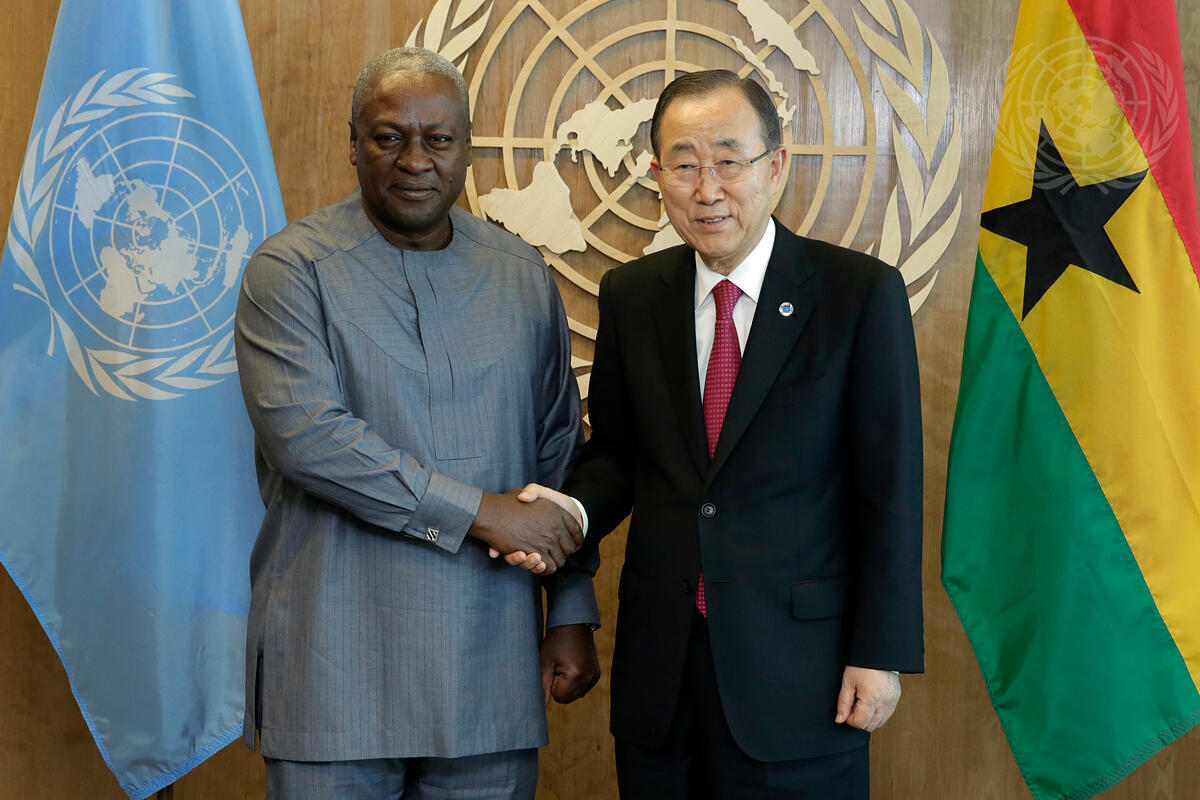
President John Dramani Mahama in responding to the issued as raised has echoed a similar caution, stating that Ghana is not in a hurry to return to the international capital market.
Instead, the government will focus on consolidating the economy before seeking external financing.