




The air in Accra hums with By Raymond Ablorha curious dissonance. On one hand, a palpable relief washes over the nation’s financial markets; on the other, a deepening disquiet gnaws at the soul of the Ghanaian project. Less than a year into its term, the John Mahama-led National Democratic Congress (NDC) administration has, by all fiscal measures, performed a miracle of the ledgers.
The numbers, like triumphant brass in an orchestra, are undeniable: A Cedi appreciation that defies the graveyard of previous economic cycles; single-digit inflation taming the beast that devoured household budgets; and a strategic paring down of the debt-to-GDP ratio that promises room to breathe. The twin towers of the Finance Ministry and the Bank of Ghana—under their new stewardship—have, it appears, steered the ship out of the economic, financial, and monetary abyss bequeathed by the outgone, New Patriotic Party (NPP) administration under the former Vice President. The performance is, as the French say, magnifique.
Yet, herein lies the Golden Paradox. If the economy is the body politic’s lifeblood, then the fight against galamsey and the crusade for Operation Recover All Loot (ORAL) are its moral oxygen. And on these fronts, the government’s delivery is not merely lukewarm; it feels like an insidious betrayal of the ballot.
*The Rot at the Roots*
The optimism buoyed by the economic recovery is being rapidly drained by the spectacle of internal complicity. It’s the political equivalent of patching a roof while the foundation crumbles.
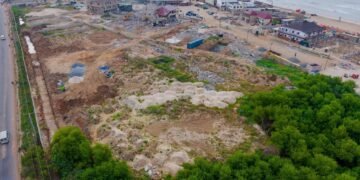
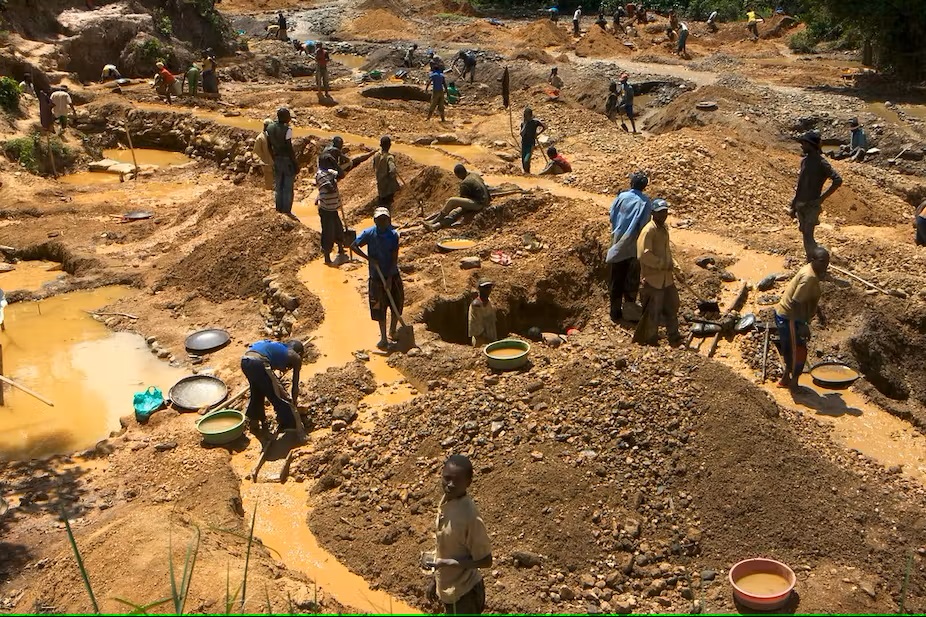
The devastating truth, whispered in the backrooms and shouted on radio and television, is that some within the new fold are already dipping their hands into the murky waters of illicit mining. The very fight against galamsey—that virulent cancer on our land and water—is being compromised by the unscrupulous avarice of those sworn to eradicate it. It makes one recall President Mahama’s own campaign declaration that “Ghana deserves better than this cycle of filth and betrayal.” But who, now, is the betrayer?
Worse still is the farce being made of accountability. ORAL—the rallying cry that mobilized a nation weary of impunity—is morphing into a series of polite transactions. The common observation, now dangerously close to accepted wisdom, is that deals are being cut, not justice being served.
The words of the NDC General Secretary, Fifi Fiavi Kwetey, recorded in a moment of spirited, perhaps frustrated, candour, ring with the clarity of a church bell: an impassioned denunciation of party members “cutting deals with suspected looters.” This is not a political skirmish; it is a civil war within the party’s moral conscience.
The Comfort of the Loots
The opposition’s behavior, meanwhile, is an act of brazen political theatre that mocks the very concept of deterrence. The former NPP leaders and functionaries, allegedly replete with public loot, are not skulking in the shadows; they are parading in the sunshine. Their posture is one of supreme, even arrogant, comfort—the chilling “you can’t do anything to us” attitude that is the hallmark of a failed accountability system.
Their boldness is, in a perverse way, a direct measure of the new administration’s perceived weakness on the ORAL front. When a government opts for the soft pillow of plea bargaining over the hard-edged necessity of prosecution, asset recovery, and conviction, it inadvertently sends a signal to every future corrupt official: The risk is worth the reward.
Former Auditor General Daniel Domelevo’s recent, subtle expression of disappointment in the lukewarm attitude towards the ORAL objectives is not just criticism; it is the lament of a watchman who has seen the gate left ajar. It confirms the growing fear that, beyond the President’s own public verbal expressions of commitment to a new path, the operational machinery remains stuck in the mud of the past.
The Unchanging Tide

Many Ghanaians, including the NDC faithful, are staring into this abyss of moral ambiguity and realizing a painful truth: This isn’t the change we voted for in 2024. The difference between this nascent NDC administration and the one that lost power in 2016 seems to be rapidly dissolving—not in economic policy, but in the moral fortitude to prosecute change where it matters most: accountability.
The single, thin thread sustaining the flickering flame of public hope is the posture and attitude of President John Dramani Mahama himself. He appears, perhaps genuinely, committed to working against the internal forces of compromise. He stands, like a lone sentinel, seemingly determined to leave behind a lasting transformative legacy—a legacy that transcends mere fiscal policy to anchor true governance.
But commitment is a beautiful noun; execution is a brutal verb. As the President navigates the choppy waters of internal dissent and institutional inertia, the clock is ticking. The question that hangs heavy in the Ghanaian air—a question that will ultimately define his presidency—is whether his sheer personal will can lead the ruling party and government away from the obvious moral slippage now showing up at its infancy.
So far, for a nation thirsty for justice and clean governance, the performance on the galamsey fight and the ORAL promise is simply not good enough. And until that changes, the economic miracle will feel less like a triumph, and more like a golden distraction from the rot at the roots of the republic.
By Raymond Ablorh