






The Bank of Ghana has successfully increased the foreign reserves to cover four and a half months of imports, a significant recovery from the low levels during the 2022 crisis.
This improvement is largely due to the creation of Gold Board which helped prevent foreign-exchange losses. The boost in reserves aims to restore economic stability, boost investor confidence, stabilize the currency, and support growth. However, ongoing efforts are needed to sustain this positive trend and strengthen Ghana’s economic resilience.
This marks a notable turnaround from the critically low reserves experienced during the 2022 economic crisis, which severely strained Ghana’s ability to sustain imports and maintain currency stability.
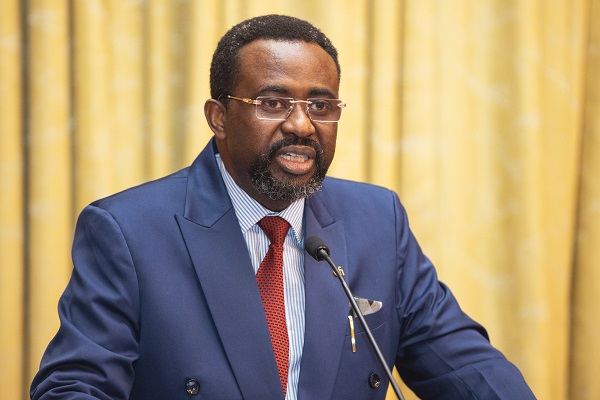
Governor Johnson Asiama attributed this positive development to strategic interventions by the central bank, including the establishment of a new state-run gold trading body. This initiative has played a crucial role in plugging foreign-exchange leaks, thereby stabilizing the currency and bolstering the country’s foreign reserve position.

From the BoG’s perspective, rebuilding reserves is a vital step toward restoring macroeconomic stability. It enhances confidence among international investors, improves Ghana’s creditworthiness, and provides a buffer against external shocks. The increase in reserves also supports the central bank’s efforts to stabilize the Ghanaian cedi and curb inflationary pressures.
For the Ghanaian economy, this recovery in foreign reserves signals a positive trajectory. It is expected to facilitate smoother import transactions, reduce reliance on external borrowing, and foster an environment conducive to economic growth. However, sustained efforts are necessary to maintain this momentum and ensure that the reserves continue to grow, underpinning long-term economic resilience.