








ADVERTISEMENT
The Ministry of Trade, Agribusiness and Industry, in collaboration with the Ghana Permanent Mission in Geneva, , launched a two-day virtual stakeholder workshop as part of Ghana’s preparations for the 14th World Trade Organization (WTO) Ministerial Conference (MC14), scheduled in March in Yaunde, Cameroun on Tuesday, 18 February 2026.
The workshop, which has brought together over 55 participants from government, the private sector, academia and trade policy institutions, was aimed at aligning national positions and strengthening coordination ahead of MC14. The discussions are expected to continue on Wednesday, 18 February.
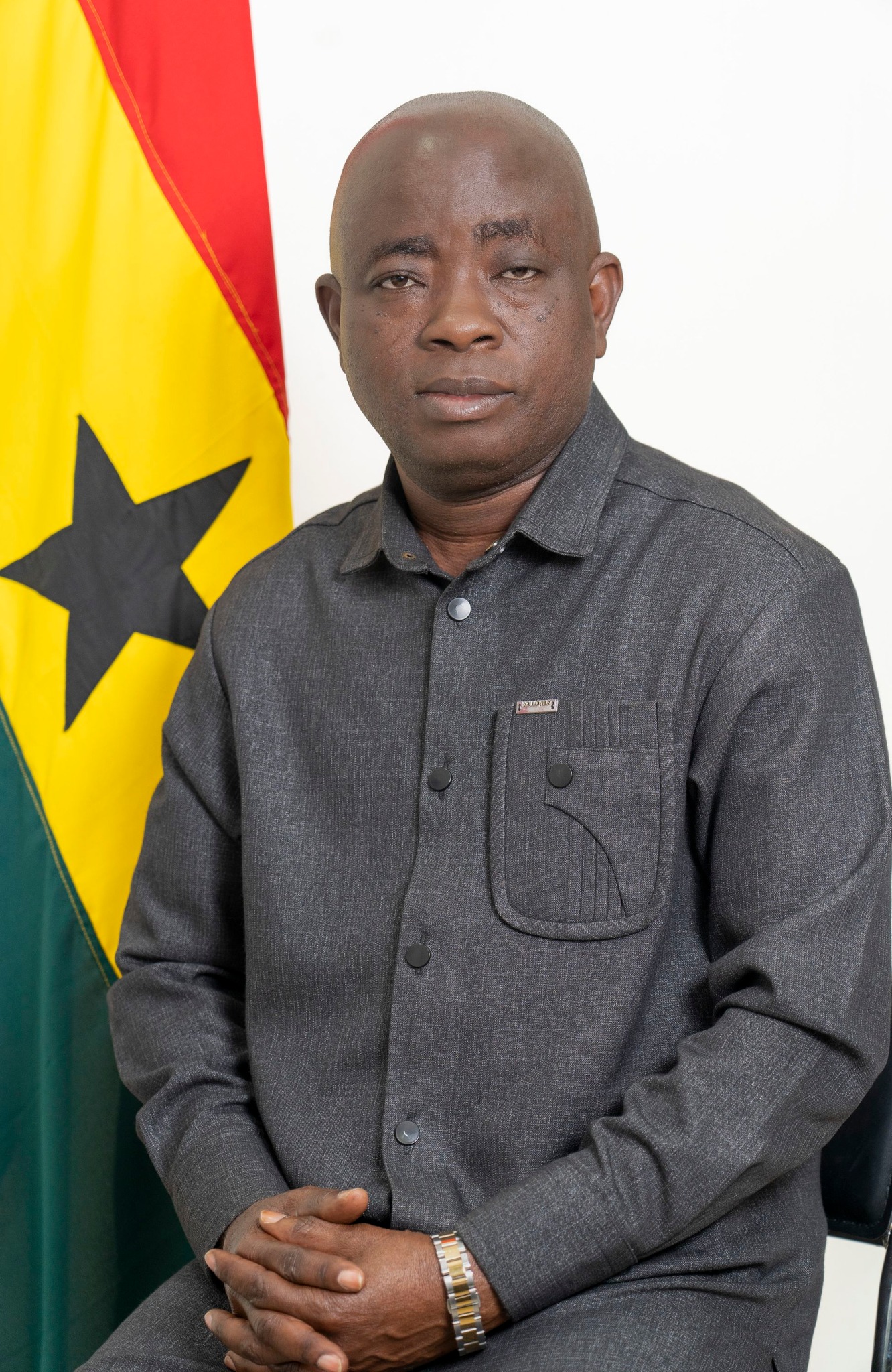
Opening the workshop, the Honourable Deputy Minister for Trade and Industry, Hon. Sampson Ahi, welcomed participants and underscored the strategic importance of the WTO Ministerial Conference in shaping a fair, predictable and rules-based multilateral trading system. He noted that MC14 presents a critical opportunity for Ghana and other developing countries to push for outcomes that support development, equity and inclusive growth.
Hon. Ahi outlined Ghana’s key national priorities for MC14, including the pursuit of food security through a permanent solution on public stockholding programmes and addressing distortions in agricultural trade that undermine food security in developing countries. He also highlighted the need to advance a development-centred WTO reform agenda, preserve policy space for developing countries to support industrialisation, agriculture and economic diversification, and ensure that ongoing negotiations on fisheries subsidies remain development-responsive.
The Deputy Minister further stressed the importance of ensuring that electronic commerce (e-commerce) negotiations reflect development realities and do not lock in digital divides or constrain policy options for digital inclusion and growth. He called for stronger and more operational Special and Differential Treatment (S&DT) provisions for developing and least-developed countries and reaffirmed Ghana’s commitment to safeguarding inclusivity within the multilateral trading system, particularly for Africa and other developing regions.
In his remarks, Ghana’s Ambassador and Permanent Representative to the WTO, H.E. Emmanuel Asiedu, highlighted the difficult context in which current multilateral trade negotiations are taking place. He observed that prolonged stalemates, slow progress and persistent imbalances have led to growing frustration among many stakeholders, with some losing confidence in the multilateral system.
Despite these challenges, Ambassador Asiedu emphasised the need for continued engagement and unity. He stressed that the African voice must remain strong and coordinated, noting that sustained dialogue is essential and that progress will ultimately come through persistence, coordination and collective advocacy.
A key highlight of the first day of the workshop was a technical presentation by Dr. Edwini Kessie, Director of the WTO Agriculture and Commodities Division, who provided an in-depth briefing on the WTO Agreement on Agriculture and the long-standing cotton issue, and their critical importance for African development.
Dr. Kessie noted that although agriculture accounts for less than 10 per cent of global trade in many contexts, it holds disproportionate importance for development, particularly in Africa, where it underpins livelihoods, rural economies, food security and poverty reduction. He emphasised that progress in agriculture negotiations is therefore central to broader development goals, stalled reforms continue to perpetuate inequalities and trade distortions.
He explained that the WTO Agreement on Agriculture is structured around three main pillars: domestic support, which disciplines subsidies that distort production and trade; market access, which focuses on reducing tariffs and other barriers to agricultural trade; and export competition, which seeks to eliminate export subsidies and related measures that unfairly disadvantage producers in developing countries.
Participants at the workshop engaged in discussions on how Ghana and Africa can more effectively coordinate positions and advocate for outcomes at MC14 that reflect development realities and support inclusive growth.
The Ministry of Trade, Agribusiness and Industry indicated that the outcomes of the two-day stakeholder consultations will feed into Ghana’s final negotiating positions and engagement strategy ahead of MC14.