






The government of Ghana acting through the Ministry of Finance is aiming to accumulate a strategic buffer of reserves that surpass conventional adequacy levels with an ambitious goal to establish an “economic war chest” capable of covering 15 months of imports by the end of 2028.
This strategic reserve buildup according to the Finance Minister is designed to serve multiple critical purposes. First, it aims to safeguard macroeconomic stability amid global economic uncertainties.
By creating a substantial buffer, Ghana intends to break the cycle of economic downturns that have periodically affected the nation’s growth trajectory.
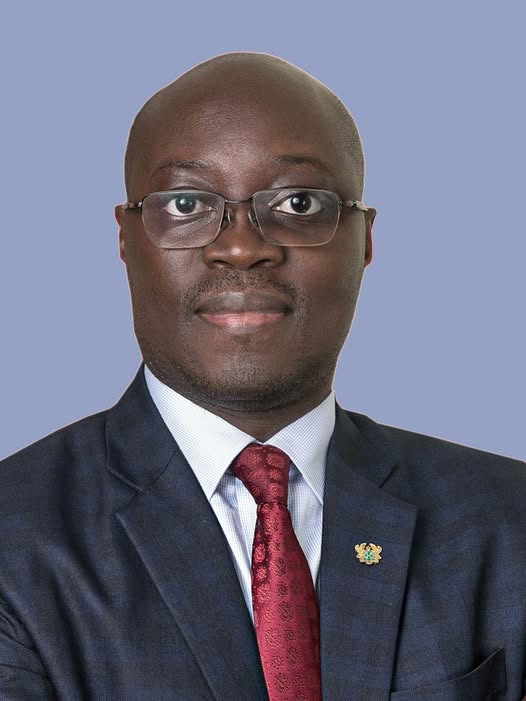
Presenting to Parliament the new Ghana Accelerated National Reserve Accumulation Policy (GANRAP) 2026-2028, Dr. Cassiel Ato Forson said, the reserve buffer is expected to bolster confidence in the national currency, helping to stabilize exchange rates and curb inflationary pressures.
“It will also serve as a confidence booster for investors, both domestic and international, signaling a commitment to economic discipline and resilience”, he added, “reducing exposure to external shocks is another key objective”.
In an increasingly interconnected global economy, the Minister submitted that, external shocks such as commodity price fluctuations, global financial volatility, or geopolitical tensions can have significant impacts, therefore, “the reserve buffer will act as a cushion, allowing Ghana to navigate these challenges more effectively”.
The Minister of Finance emphasized that the primary objective of this policy is to reach a reserve level capable of supporting Ghana’s long-term economic transformation without compromising macroeconomic stability. As the country advances toward this ambitious target, many analysts see it as a vital step toward securing Ghana’s economic future in an unpredictable global environment.

Finally, the policy aligns with Ghana’s broader vision of long-term economic transformation. By building reserves to support this transition, the government aims to promote sustainable development, improve living standards, and position Ghana as a resilient, investor-friendly economy.