





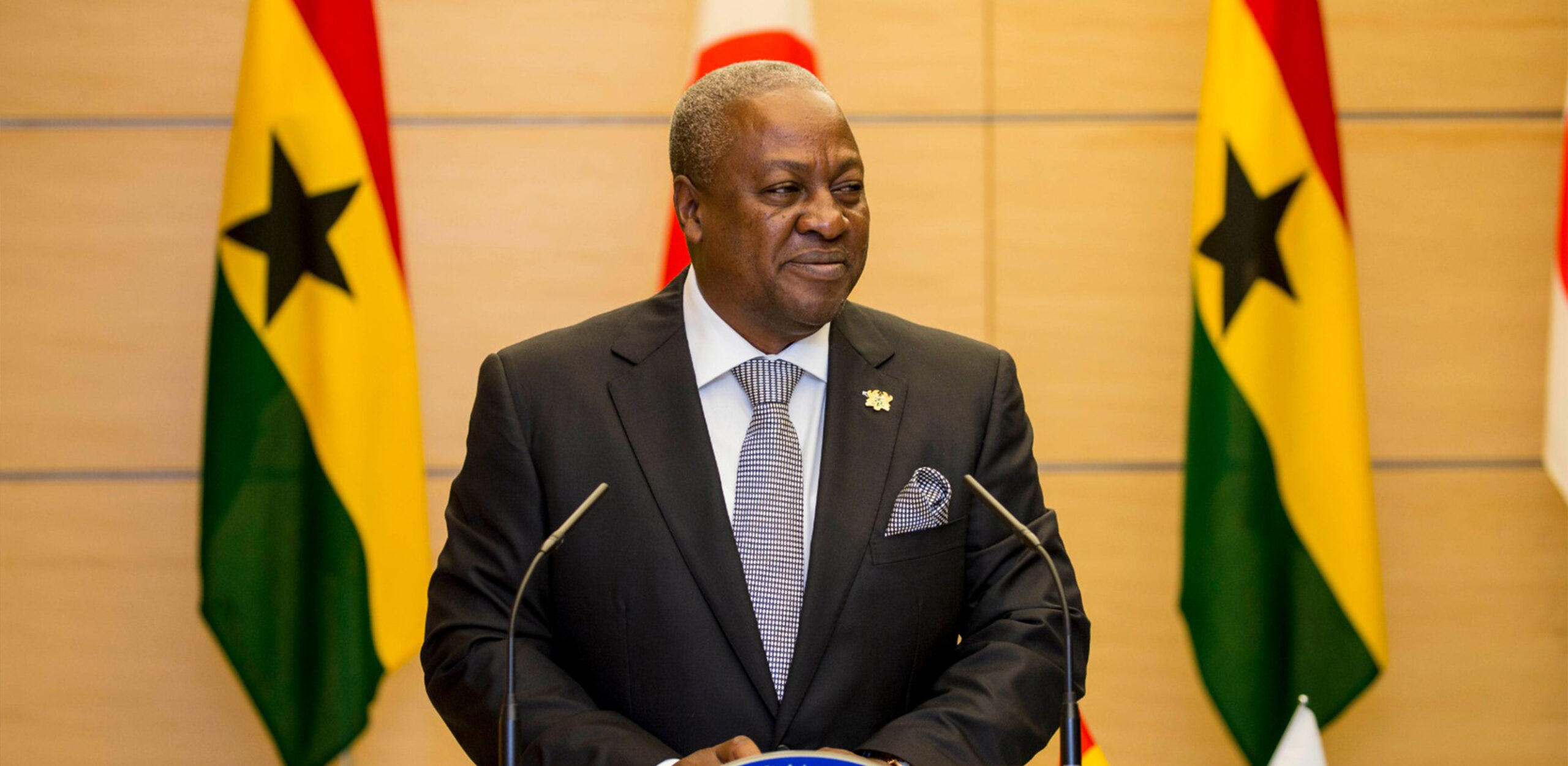
President John Dramani Mahama is expected to address Parliament today, February 27, 2026, in fulfilment of his constitutional obligation under Article 67 of the 1992 Constitution to present a message on the State of the Nation.
The address marks the formal opening of the Second Session of the Ninth Parliament, which is currently holding its First Meeting, and is expected to outline government’s policy direction and priorities for the year ahead.
Article 67 of the Constitution mandates the President to deliver a message to Parliament at the beginning of each session outlining the condition of the nation and the policies of government. The provision states in part that “The President shall, at the beginning of each session of Parliament and before the dissolution of Parliament, deliver to Parliament a message on the state of the nation.”
The State of the Nation Address is expected to provide a comprehensive assessment of Ghana’s economic and social conditions as the government pursues measures aimed at stabilizing the economy and accelerating growth.
President Mahama is expected to focus significantly on the performance of the national economy, including fiscal consolidation measures, debt management strategies and efforts to maintain macroeconomic stability in the face of global economic pressures.
The President is also expected to outline policies aimed at strengthening Ghana’s external reserves and boosting export earnings, including measures to increase gold accumulation as part of broader economic resilience strategies.
Job creation and private sector development are expected to feature prominently, with emphasis on initiatives designed to stimulate industrial growth, support small and medium-scale enterprises and expand employment opportunities for the youth.
President Mahama is expected to give much attention to the 24-Hour Economy he promised Ghanaians as Parliament recently passed a major piece of legislation for the establishment of the 24-Hour Economy Authority as the coordinating body for its actualization.
Key social sector interventions in education, healthcare and social protection are also expected to be highlighted, alongside plans to improve infrastructure development in areas such as roads through the Big Push, energy and housing.

Agriculture and food security are expected to receive attention, particularly government’s efforts to increase domestic food production, reduce food price pressures and promote value addition in the agricultural sector.
The address is also expected to touch on governance reforms and public financial management measures aimed at improving efficiency, transparency and value for money in public spending.
The State of the Nation Address is widely regarded as a major constitutional and policy event, setting the tone for legislative and executive action during the session and outlining government’s priorities for national development in the year ahead.