







In recent years, Africa has emerged as a strategic arena for global powers, primarily the United States, China, and Russia; each seeking influence through economic partnerships, diplomatic engagement, and military involvement. While these superpowers often claim that supplying weapons fosters political stabilization, the reality is far more complex. Consequently, this article examines the dual role of superpowers as both supposed stabilizers and primary suppliers of sophisticated weaponry, raising critical questions about their true intentions and the consequences for African nations.
Superpowers and Their Arms Influence in Africa
Between 2018 and 2022, Russia supplied 40% of Africa’s imported weapons, followed by China with 16%, and the United States and France with 9.8% and 7.6%, respectively. Furthermore, China offers competitive pricing and financing for military equipment, expanding its footprint across Sub-Saharan Africa, while Russia combines arms exports with private military contractors, such as the Wagner Group, to increase political leverage.
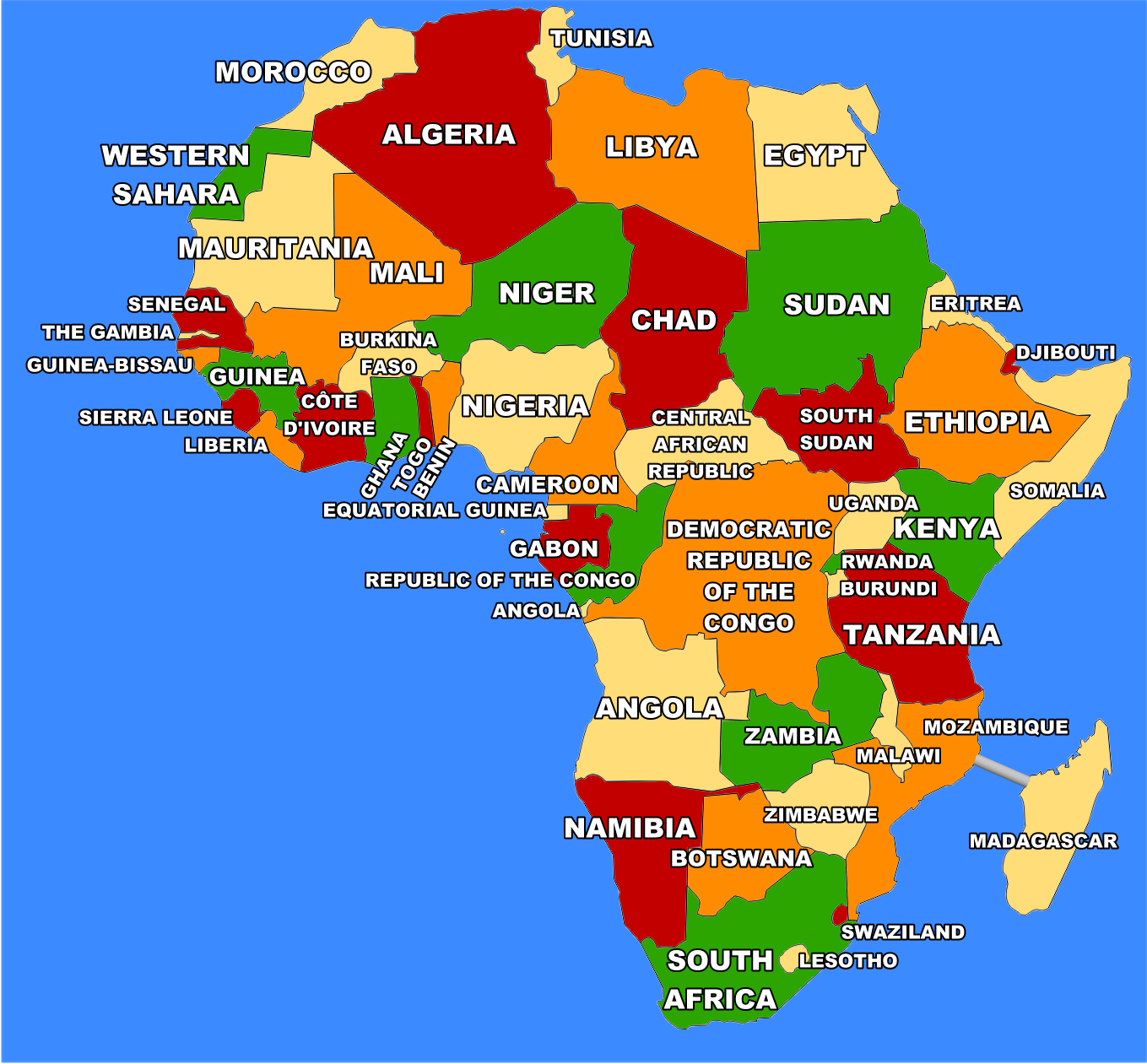
These transfers are often justified as tools to counter terrorism, maintain territorial integrity, and support peacekeeping operations. For instance, Mali and the Central African Republic (CAR) are often cited as beneficiaries of military aid aimed at promoting stability. However, much of this influence also serves economic and geopolitical interests, particularly access to natural resources and strategic alliances.
Unintended Consequences: Conflict and Instability
Despite these stated intentions, weapons proliferation frequently exacerbates instability. In Libya, NATO’s 2011 intervention led to uncontrolled arms spreading across the Sahel, fueling insurgencies. Similarly, in CAR, Russian-supplied weapons and Wagner contractors have at times enabled authoritarian consolidation and human rights violations.
Moreover, groups such as Boko Haram in Nigeria, al-Shabaab in Somalia, and ISIS affiliates in the Sahel heavily rely on supplied or captured weaponry to conduct attacks, hold territory, and challenge state authority. Consequently, if there were no access to high-powered arms, many of these mayhems would be severely curtailed, highlighting the direct link between superpower arms exports and persistent instability.
Additionally, the presence of private military contractors further blurs accountability, raising questions about whether these interventions truly serve peace or strategic interests. Indeed, weapons alone do not create stability; they often enable violence where governance is weak and poverty and insurgency persist.
Ghana: Emerging Security Challenges
Meanwhile, Ghana, long seen as a bastion of stability in West Africa, is increasingly affected by regional instability. The rise of extremist groups in the Sahel, particularly in Burkina Faso, threatens northern borders. Specifically, groups like JNIM, ISWAP, and AQIM reportedly extend influence toward Ghana, exploiting porous borders.
Domestically, the Bawku chieftaincy dispute continues to spark deadly clashes. The killing of a Kusaasi chief and three high school students recently prompted Ghana to deploy additional soldiers and impose curfews. These developments demonstrate that even relatively stable nations are not immune to regional arms proliferation and insurgent spillover.
Global Conflicts and Civilian Casualties
Beyond Africa, the consequences of arms proliferation and selective intervention are devastating:
Israel and Gaza: Tens of thousands of civilians killed in airstrikes, with humanitarian crises escalating.
Sudan: Drone strikes and civil war have killed at least 40,000 people and displaced over 12 million.
Ukraine: Since the Russian invasion began in 2022, more than 14,000 civilians have been killed and 36,000 injured, with widespread destruction.
These conflicts raise urgent questions about why international organizations like the UN often remain mute or ineffective, and whether some lives are considered more important than others.
Critical Questions: Accountability and Selective Silence
In light of these developments, several hard questions emerge:
If superpowers claim to promote peace, why supply deadly arms?
Why establish arms manufacturing companies if universal peace existed?
Why do some conflicts receive swift intervention, while others are ignored?
Are political or economic interests prioritized over humanitarian protection?
Why is the UN often silent on crises in Ukraine, Israel-Palestine, or Sudan?
Addressing these questions is critical to ensure fairness, transparency, and genuine peace across the globe.
Regional Bodies Under Scrutiny: ECOWAS and AU
Similarly, the Economic Community of West African States (ECOWAS) and the African Union (AU) were once celebrated for decisive interventions, such as during the Liberia civil war, but their recent performances are increasingly criticized. In particular, both organizations have been accused of selective interventions, prioritizing certain crises while neglecting others.
Consequently, frustration in the Sahel has grown, with some states reportedly considering opting out of regional security frameworks, citing perceived loss of focus and ineffectiveness. This trend risks further weakening collective African security efforts and emboldening extremist groups.
Constitutional Manipulations and Colonial Legacies
Furthermore, several African leaders have extended their rule through constitutional amendments, often with tacit support from former colonial powers:
Togo: President Faure Gnassingbé could remain in power until 2031 under a new parliamentary system.
Ivory Coast: President Alassane Ouattara seeks a fourth term after removing presidential term limits.
Guinea: Alpha Condé’s third-term bid led to a military coup in 2021.
Notably, in many cases, ECOWAS and AU condemn military coups while remaining silent on unconstitutional extensions of presidential terms, highlighting selective intervention and undermining credibility.
Suggested Solutions: Restoring Credibility and Stability
To address these challenges, the following solutions are recommended:
Strengthen ECOWAS and AU capacities with funding, logistics, and rapid response capabilities.
Regulate arms transfers to prevent weapons from reaching conflict zones or non-state actors.
Ensure impartial international engagement, protecting all civilians equally.
Invest in conflict prevention, education, and socio-economic development.
Empower civil society to monitor human rights abuses and hold leaders accountable.
Develop regional intelligence and early-warning systems for proactive intervention.
Conclusion: A Call for Consistent, Impartial Action
In conclusion, Africa faces a complex interplay of external influence, arms proliferation, selective intervention, and internal governance challenges. Therefore, to achieve genuine political stabilization, both global and regional actors, superpowers, the UN, ECOWAS, and AU, must act consistently, impartially, and decisively, prioritizing human lives and democratic governance over political or economic interests.
Failure to act decisively risks further destabilization, the rise of authoritarianism, and the perpetuation of violence across the continent. African nations must reclaim agency, and regional bodies must restore credibility to protect the continent’s people from further harm.
Closing Thoughts
Ultimately, Africa’s journey toward political stability is intertwined with the complex dynamics of global influence, regional accountability, and internal governance. It is only when leaders, institutions, and citizens act with wisdom, integrity, and foresight that genuine peace can be realized.
As the African proverb reminds us:
“If you want to go fast, go alone. If you want to go far, go together.”
And in the words of Confucius:
“The strength of a nation derives from the integrity of the home.”
Indeed, only through unity, fairness, and principled action, both regionally and globally, can Africa secure a future free from the cycles of conflict, injustice, and instability.

By Curtice Dumevor, Public Health Expert & Social Analyst