







Ghana’s Education Minister recently reiterated that Senior High School students are not permitted to keep long hair while in school. The statement has sparked widespread debate. Many argue that hair length has nothing to do with academic performance or character formation. They believe schools should focus on learning outcomes, not appearance.
While such arguments sound progressive, they risk overlooking a deeper issue: the role of discipline and uniformity in education. Schools are structured spaces meant to nurture focus, self-control, and respect for rules. Allowing students to grow or style their hair freely could gradually erode this structure, opening the door to countless variations and personal preferences that may be difficult to regulate.
By Joseph Coffie Selorm Ahiabenu
Development Communicator & Educationist
Education is not only about passing exams; it is also about learning values that prepare students for life beyond the classroom. Discipline, modesty, and respect for authority remain essential traits that schools help to cultivate. When policies are relaxed without clear boundaries, enforcement becomes inconsistent, and schools lose part of their moral and cultural identity.
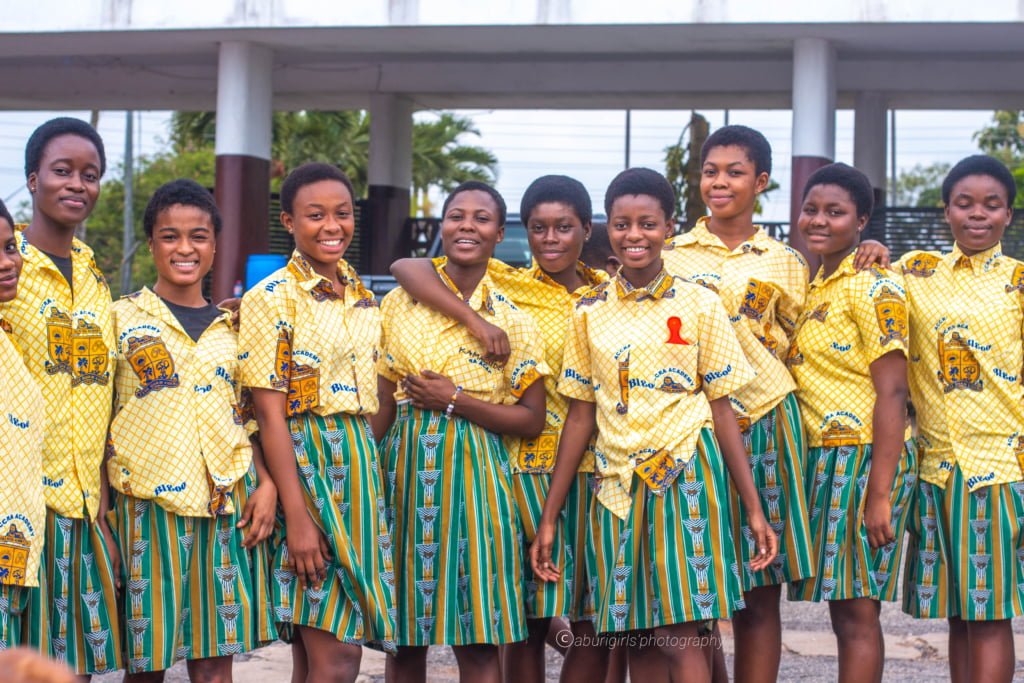
We should not confuse freedom with lack of standards. Every institution, whether a school, workplace, or professional body, operates within codes that promote order and equality. Uniform appearance fosters a sense of belonging and minimizes social and economic comparisons among students.
Let’s be honest: if schools permit long hair today, tomorrow they may face endless debates over braids, dyes, and fashion trends. The focus of education must remain on learning, not on competing hairstyles.
True progress lies not in abandoning structure but in upholding discipline with fairness and understanding. Rules are not made to suppress students but to guide them. As a society, we must avoid hypocrisy in defending every act of defiance as a right. Freedom works best when balanced with responsibility.