








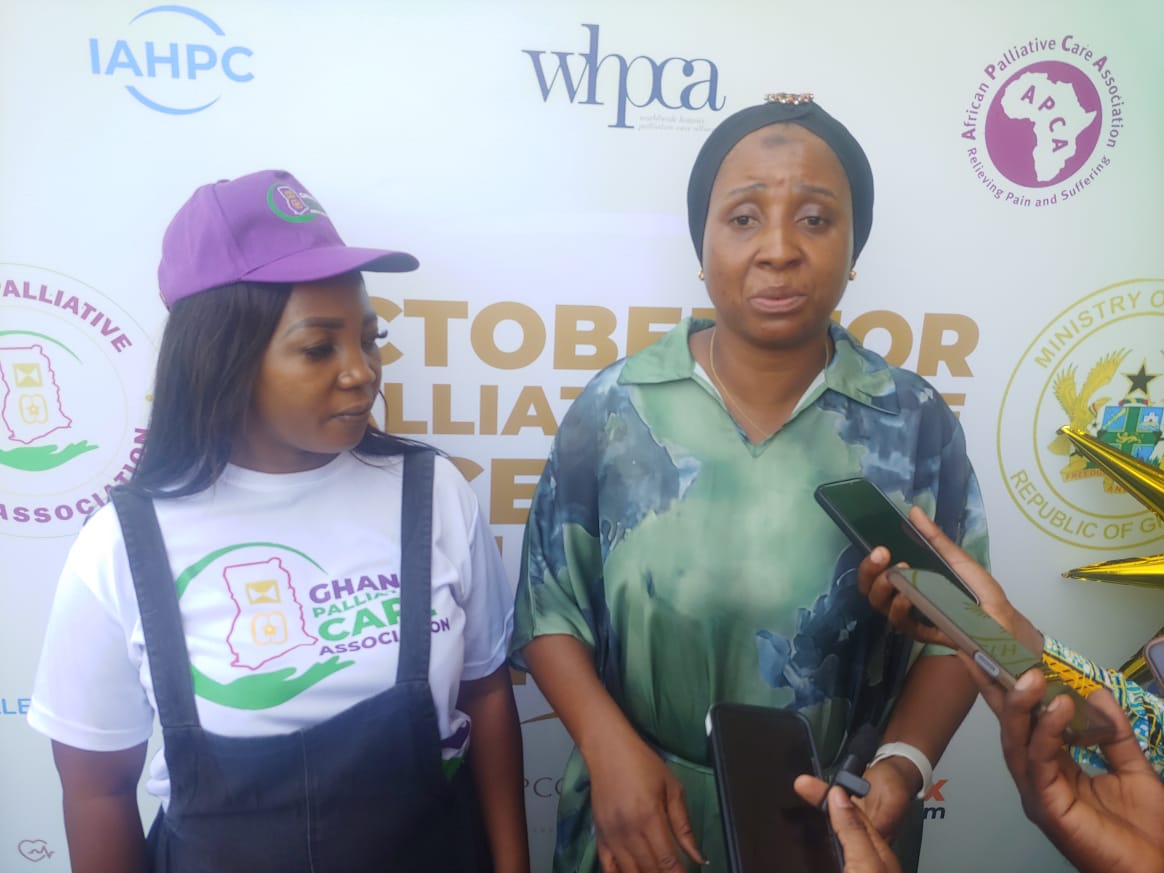
The Ghana Palliative Care Association (GPCA) has called for stronger national attention and support for patients living with chronic and life-limiting illnesses, stressing the crucial role of palliative care in improving their quality of life.
Speaking to the media, the Executive Secretary of the Association, Miss Winifred Nana Yaa Otoo, highlighted that the World Health Organization (WHO) has introduced a policy on palliative care to bridge existing gaps in the management of chronic illnesses such as hypertension, cancer, and diabetes.
According to Miss Otoo, chronic diseases do not only cause physical pain but also disrupt social relationships and family life. “When a person is diagnosed with a chronic illness, their quality of life can significantly deteriorate. Palliative care steps in to address these challenges by providing comprehensive support that improves the patient’s overall well-being,” she said.
She explained that palliative care aims to provide comfort and holistic support to patients while helping families cope with the emotional and social pressures that often accompany long-term illness.
Dr. Bisi Adewale Assa, Research Lead for the Ghana Palliative Care Association, clarified that palliative care should not be mistaken for end-of-life care alone. “Palliative care begins right after diagnosis. It focuses on providing relief and support to patients and their families, regardless of how advanced the illness may be. Our goal is to improve quality of life through a multidisciplinary approach,” Dr. Assa stated.
The Association is also working to raise awareness and correct public misconceptions surrounding palliative care. Miss Otoo emphasized that the GPCA provides total care, including pain management, counseling, and social support. “Our aim is to ensure that patients live with dignity, comfort, and hope, even in the face of serious illness,” she added.

The call by the Ghana Palliative Care Association comes at a time when many Ghanaians continue to battle chronic health conditions with limited access to long-term care and emotional support. The Association believes that expanding palliative care services across the country will not only improve patient outcomes but also ease the burden on families and the health system. It is urging government, health institutions, and the public to work together to make compassionate and comprehensive care a national priority.
By Julius Blay JABS