


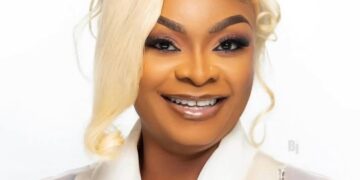

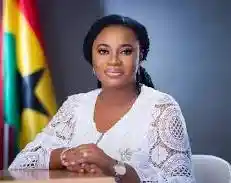
Charlotte Osei, Ghana’s former Electoral Commission Chair, has sharply criticised both the Economic Community of West African States (ECOWAS) and the African Union (AU) for their muted responses to flawed elections, a practice she argued undermines democratic norms across the continent. Her remarks came during the 2025 Democracy Dialogue held at the Accra International Conference Centre and organised by the Goodluck Jonathan Foundation in collaboration with the Government of Ghana.
The Democracy Dialogue brought together political leaders, civil society, policy experts, and international development actors. The event, the fourth in the series since its launch in 2021, was themed “Why Democracies Die.”
Headline speakers included Ghana’s President John Dramani Mahama, former Nigerian Presidents Olusegun Obasanjo and Goodluck Jonathan, Kadré Désiré Ouédraogo, former President of the ECOWAS Commission, and Dr. Omar Alieu Touray, the current ECOWAS Commission President. The Dialogue was chaired by Olusegun Obasanjo, with the Catholic Bishop of Sokoto, Most Rev. Matthew Hassan Kukah, delivering the keynote address.
Speaking at the forum, Charlotte Osei argued that while ECOWAS and the AU are quick to issue strong condemnations against military takeovers, they often adopt a muted approach when elections are manipulated or when constitutions are tampered with for political advantage. She cautioned that this double standard undermines public trust and fuels discontent among citizens.
Charlotte Osei drew from her own experience as Electoral Commission boss, where she faced intense political pressure and even threats to her personal safety. She noted that these experiences highlight how fragile electoral systems can be and why stronger oversight and accountability are necessary at both national and regional levels.
Beyond her criticisms, Charlotte Osei also used the platform to call for reforms in Ghana’s governance structures. She recommended amendments to the country’s asset declaration regime, stressing that current measures lack rigorous verification and enforcement. She insisted that a more transparent system would help strengthen accountability and curb corruption.
On electoral reforms, Charlotte Osei urged policymakers to embrace measures that widen inclusiveness and foster greater citizen participation. She emphasised that building trust between institutions and the public requires transparency, openness, and respect for democratic values.
The member of Ghana’s Constitutional Review Committee further underlined the importance of revisiting past recommendations to close existing gaps in governance. According to her, constitutional amendments should reflect the evolving needs of the people and not the interests of a few.

Observers note that the Democracy Dialogue aims to provide a platform for leaders and citizens to engage critically on the challenges facing democratic governance. Charlotte Osei’s intervention exemplifies the Dialogue’s purpose: encouraging reforms, accountability, and broader citizen participation to strengthen democracy across the continent.
By Julius Blay JABS