








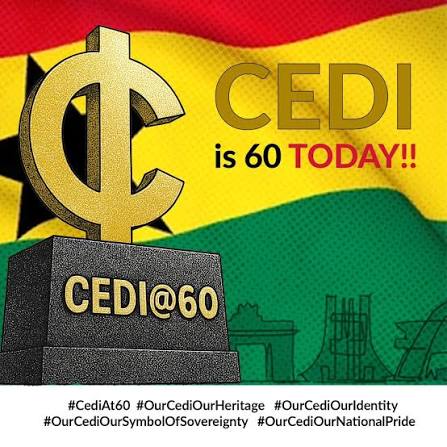
The story of the Ghana cedi is not just the story of a currency. It is the story of a people who evolved from trading in cowries and gold dust to becoming a modern financial nation shaping its own destiny.
As Ghana marks the 60th anniversary of the cedi at the Accra International Conference Centre, in the presence of former Governors of the Bank of Ghana, global financial leaders, economists, and diplomats, the message is clear: the cedi is more than money.
It is a symbol of sovereignty, economic identity, and national pride.
Before independence, trade in what is now Ghana was conducted through barter, cowries, and gold dust.
These were not merely mediums of exchange, they were reflections of status, trust, and cultural identity. With colonial rule came the West African pound, a currency that reminded Ghanaians that economic control rested abroad. In 1958, the Bank of Ghana was established, and in 1965 President Kwame Nkrumah introduced the cedi, derived from the Akan word “sedie,” meaning cowrie. This marked the rebirth of Ghana’s economic freedom.
Through inflation, redenominations, and global economic shifts, the cedi has endured as the central symbol of Ghana’s economic sovereignty. The major redenomination of 2007 restored clarity, reduced transaction burdens, and strengthened the identity of the currency. The cedi has stood through political transitions, global crises, and financial reforms, yet it remains the heartbeat of the Ghanaian economy.
Today, the strength of the cedi is a direct reflection of national productivity, innovation, and collective economic discipline. When the cedi is strong, it signals confidence, investment, and national pride.
When it faces pressure, it reminds us of our responsibility to build local industries, promote exports, and reduce reliance on foreign imports. The performance of the cedi is not only determined by global markets; it is shaped by our own choices as a people.
As Ghana enters the future, the cedi is poised to become a leading financial instrument on the African continent. Digital transformation is accelerating with Mobile Money Interoperability, electronic banking innovations, cashless systems, and the upcoming e-cedi.
The cedi is evolving beyond physical notes and coins into a modern digital currency ready to compete globally. With the African Continental Free Trade Area Secretariat headquartered in Accra, Ghana has a historic opportunity to project the cedi as a preferred currency in African trade.
However, the future strength of the cedi is not solely in the hands of government. It rests in the actions of every Ghanaian. One of the most harmful practices weakening the currency today is the habit of pricing goods, services, rent, and school fees in US dollars.

The dollar is not the national currency of Ghana. When we price in dollars, we undermine our own economic sovereignty and declare, knowingly or unknowingly, that we do not trust the cedi. This practice fuels inflation, destabilizes markets, and disrespects our national identity.
All citizens, businesses, and institutions are strongly urged to restore full confidence in the cedi by conducting business in it. A nation that believes in its future must transact in its own currency. To strengthen the cedi, we must first believe in it.
Every note and coin is a symbol of national dignity. It carries the labour of our farmers, the creativity of our entrepreneurs, the sacrifice of our workers, and the destiny of our youth. Mishandling, hoarding, or defacing the cedi is not merely an economic concern; it is a direct erosion of our national pride. Citizens are therefore called upon to respect and protect the currency as a national treasure.
The cedi is not simply a medium of exchange. It is the soul of Ghana’s economic identity.
It tells the world who we are, what we stand for, and where we are going. As it turns 60, we are reminded that a strong cedi means a strong Ghana.
Its future is our collective responsibility. Its strength will define our destiny, and its value will reflect our confidence in ourselves.
The cedi is not just money. It is our power, our pride, and the enduring symbol of Ghana’s sovereignty.
Written by Curtice Dumevor, Public Health Expert