







Ghana is marking 60 years since the introduction of the cedi, the National Currency that replaced the Ghana pound in 1965 under President Kwame Nkrumah.
The Cedi@60 celebration has been organized to recognise the currency’s enduring role in strengthening national sovereignty, promoting economic growth, and reflecting Ghana’s cultural identity.
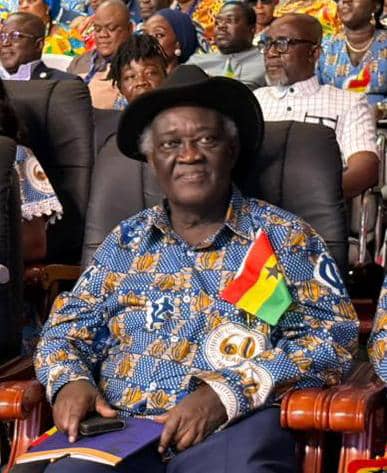
It is on this backdrop that a respected professor, Professor Kwamena Ahwoi, a governance and public administration expert and former Government Minister, has shared a brief but insightful message on the history of Ghana’s national currency, the cedi, as the country marks 60 years since its introduction.
In a post on a WhatsApp platform known as Church Street, Prof. Ahwoi reminded members that it was in 1965 that Ghana’s first President, Dr. Kwame Nkrumah, changed the national currency from the Ghana pound—which was tied to the British pound sterling—to the Cedi.
According to him, the Cedi was named after the Akan word sedee, meaning cowrie shell, which served as a medium of exchange in pre-colonial Ghana.
He explained that the change of currency was not only an economic reform but also a symbolic act meant to reinforce Ghana’s independence and cultural identity.
His remarks came as the nation commemorates the Cedi@60 anniversary, which marks six decades since the introduction of the cedi.
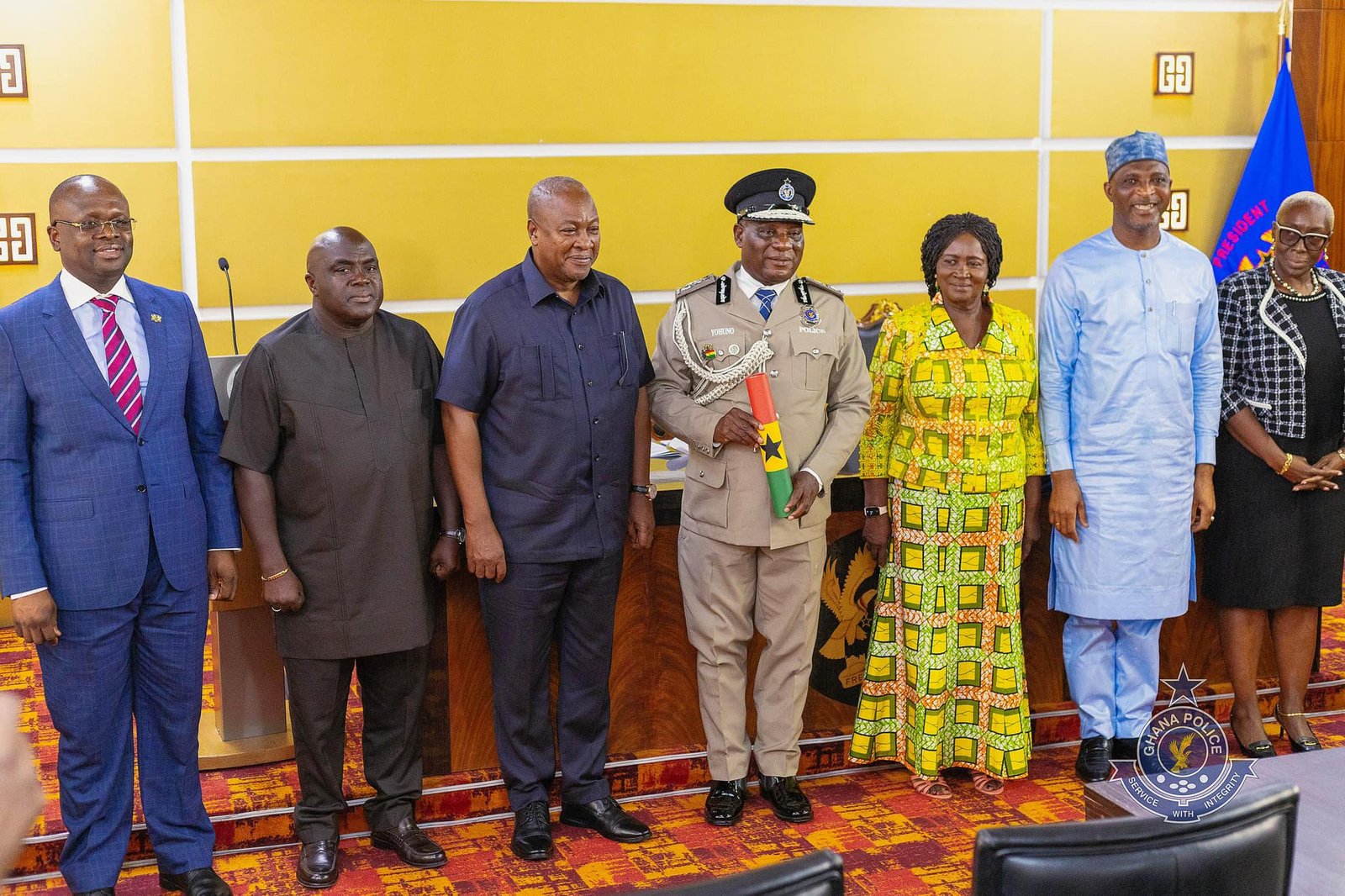
The official launch of the celebration featured a keynote address delivered by Vice President Naana Jane Opoku-Agyemang.
In her address, the Vice President urged Ghanaians to protect the value of the cedi through fiscal discipline and responsible economic practices.
She described the cedi as not merely a unit of exchange but a symbol of Ghana’s sovereignty and shared national responsibility.
She further encouraged citizens and businesses to show confidence in the local currency by conducting more transactions in cedis rather than relying on foreign currencies.

The introduction of the cedi in July 1965 marked a turning point in Ghana’s financial history. It replaced the British-linked Ghana pound and adopted a decimal system, with one pound valued at 2.40 cedis.
Over the years, the currency has gone through several reforms aimed at strengthening its value and boosting the national economy.
Prof. Ahwoi’s reflection stands as a reminder of the cedi’s historic and cultural significance and the ongoing responsibility to safeguard its value as a true emblem of Ghana’s independence and economic identity.
By Julius Blay JABS