





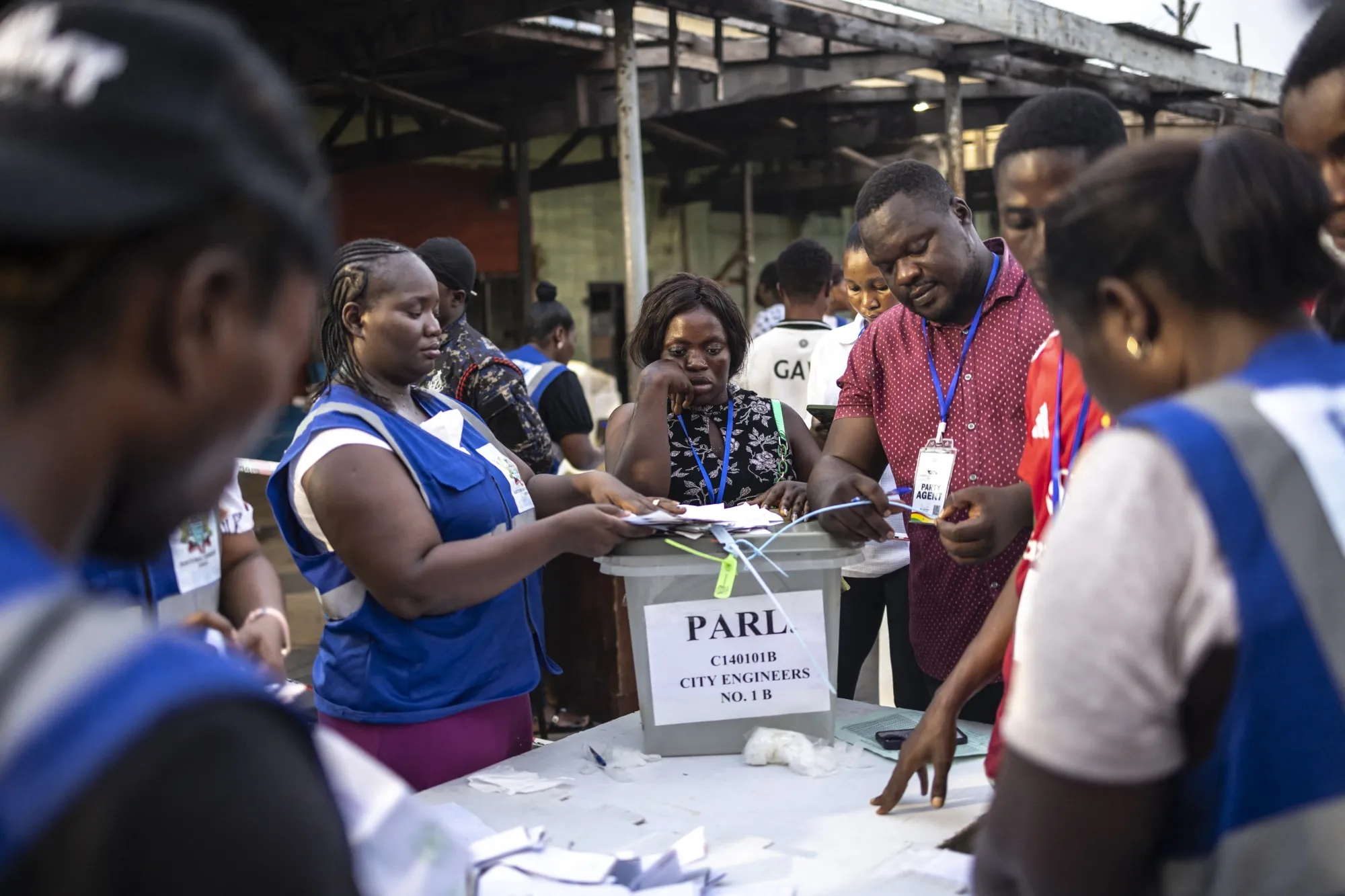
As Akwatia prepares for its crucial parliamentary by-election, it is worth reflecting on the history of by-elections in Ghana’s Fourth Republic, a journey that has often combined routine constitutional procedure with moments of drama, tension, and political strategy.
By-elections in Ghana are triggered when a parliamentary seat becomes vacant through death, resignation, or the elevation of an MP to another office. Since 1993, these elections have provided both ruling and opposition parties with opportunities to test their strength between general elections.
The Early Years (1993, 2000)
The first Parliament (1993–1996) saw four by-elections. The most notable was in Navrongo Central (1995), where independent candidate John Setuni Achuliwor shocked many by winning against the dominant NDC. This contest remains a reminder that by-elections can defy national political trends and highlight local dynamics.
In the second Parliament (1997–2000), only two by-elections were held. Ablekuma Central (1999) brought the NPP into Parliament when Victor Okuley Nortey won the seat, while Lambussie (1999) was retained by the NDC. These contests reflected the gradual broadening of Ghana’s political competition.
Consolidation and Contest (2001, 2008)
The third Parliament (2001–2004) produced seven by-elections, all won by the ruling NPP at the time. Seats such as Bimbilla, Navrongo Central, and Gomoa East fell to the NPP, cementing its parliamentary dominance. For analysts, this period showed how incumbency often provides an edge in mid-term elections.
During the fourth Parliament (2005–2008), six by-elections were held. The Asawase (2005) and Odododiodio (2005) contests saw the NDC perform strongly in its strongholds, with Alhaji Muntaka Mubarak winning Asawase. Meanwhile, the NPP captured seats like Offinso South and Nkoranza North, making the period one of balanced competition.
Drama and Violence (2009, 2016)
The fifth Parliament (2009–2012) was marked by three high-profile by-elections. The Chereponi (2009) contest turned violent but eventually delivered victory to the NDC’s Samuel Jabanyite. The Atiwa (2010) by-election went to the NPP, remembered for its heated campaign atmosphere.
The sixth Parliament (2013–2016) produced seven by-elections. Among them, Kumbungu (2013) stood out when the CPP’s Amadu Moses Yahaya broke through, giving the party a rare seat in the Fourth Republic. Other notable contests included Talensi (2015), where the NDC’s Benson Tongo Baba won, and Abuakwa North (2016), following the tragic death of J.B. Danquah Adu.
Recent Contests (2017, 2024)
The seventh Parliament (2017–2020) is remembered for the controversial Ayawaso West Wuogon (2019) by-election, which was marred by violence and led to a national commission of inquiry.
The eighth Parliament (2021–2024) saw three important by-elections. Kumawu (2023) was retained by the NPP, while Assin North (2023) made history as James Gyakye Quayson, disqualified earlier by the courts, was re-elected with a decisive margin. The Ejisu (2024) by-election, caused by the death of John Kumah, also went to the NPP.
Akwatia 2025, The Next Chapter
Now, with the death of MP Ernest Yaw Kumi, Akwatia is set to host the first by-election of the Ninth Parliament. History shows that by-elections are not mere administrative exercises, they serve as mini-referendums on government performance and opposition strength.

From Navrongo Central’s independent upset in 1995, to the violence of Ayawaso West Wuogon in 2019, and the resilience of Assin North voters in 2023, each by-election has left a mark on Ghana’s democratic story.
As voters in Akwatia prepare to cast their ballots, they step into this long tradition, where local choices echo nationally, and where democracy is tested not just every four years, but sometimes, in moments in between.
By Julius Blay (JABS)