








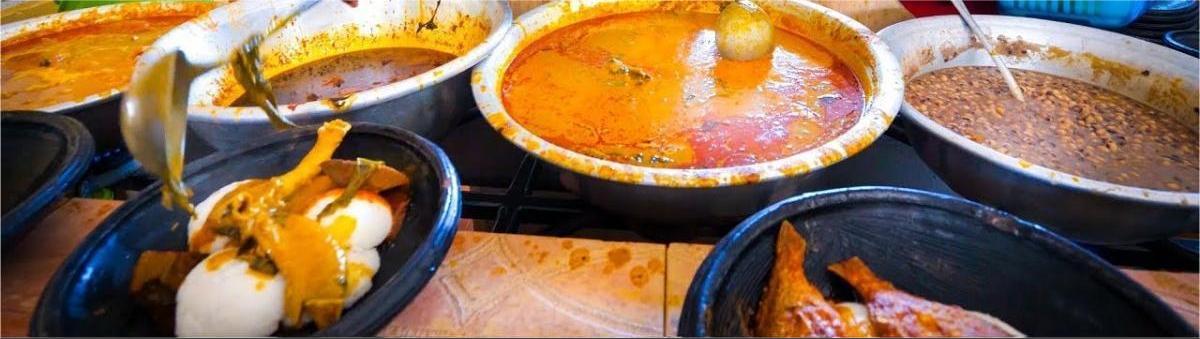
Food is meant to nourish and sustain life. However, in many chop bars and food vending spaces across Ghana, the very meals that should give us energy are quietly undermining our health.
Unsafe practices such as poor handling of grains, careless use of spoiled vegetables, and unhygienic cooking environments have turned cheap food into a gamble with public health.
Food safety is a global challenge. The World Health Organization estimates that unsafe food causes over 600 million illnesses and 420,000 deaths every year, with the greatest burden falling on low- and middle-income countries where informal food markets dominate (WHO, 2024). In Ghana, the situation is equally worrying. A 2024 survey in the Sekondi-Takoradi metropolis found that 70.4% of food vendors had low knowledge of food safety while 52.3% practiced poor hygiene (Nortey et al., 2024). Clearly, what millions consume daily is often prepared under conditions that pose a serious threat.
One major problem begins with cereals. When maize, beans, or groundnuts are not properly winnowed, impurities such as stones and chaff remain in the food. Consumers risk broken teeth, oral injuries, and intestinal irritation. Improper storage further exposes grains to pests. The maize weevil (Sitophilus zeamais) destroys maize kernels, while the cowpea bruchid (Callosobruchus maculatus) damages beans. Infested grains often harbor Aspergillus flavus, a fungus that produces aflatoxin, a toxin linked to liver cancer, stunted growth in children, and weakened immunity. Studies in Ghana have found 61–100% of maize and groundnut samples contaminated with aflatoxin (Ahiabor et al., 2024).
Vegetables contribute to the problem as well. In order to save costs, some vendors deliberately buy rotten or overripe tomatoes. Decayed produce often harbors bacteria and fungi such as Fusarium and Alternaria, which produce toxins harmful to health. Cooking does not always eliminate these toxins, and consumers remain at risk of food poisoning and long-term illness.
Staple foods like kenkey and porridge are not entirely safe either. Although fermentation reduces harmful microbes, contamination often begins with dirty water or unwashed hands. Pathogens such as E. coli, Vibrio cholerae, and Staphylococcus aureus can survive and cause cholera, diarrhea, and food poisoning, especially in densely populated urban communities (Annan-Prah & Agyeman, 1997).
Cross-contamination in chop bars worsens the problem. Raw meat is stored beside cooked stew, the same utensils are used for raw and ready-to-eat food, and food is served with hands that also handle money. Such practices spread bacteria like Salmonella and Campylobacter. Repeatedly used cooking oil, common in many chop bars, produces harmful compounds that increase the risk of hypertension, clogged arteries, and cancers.
Because the risks are so high, solutions must begin from the farm. Farmers need to adopt safer practices by avoiding excessive use of pesticides, harvesting at the right maturity, drying grains properly, and storing cereals in clean, moisture-free facilities to prevent mold and pest infestations. These basic steps reduce the risk of contamination before food even reaches the market.
At the same time, vendors carry the heaviest responsibility since they deal directly with consumers. They must winnow cereals properly before milling to remove stones and insects, reject rotten vegetables no matter how cheap, and use clean water in food preparation. Just as importantly, vendors should wash hands thoroughly, avoid handling money while serving, and keep utensils separate for raw and cooked foods to stop cross-contamination. Cooking oil should be replaced regularly rather than reused repeatedly, and cooked meals must always be stored in covered containers, protected from flies and dust.

Consumers also have a crucial role to play in breaking the cycle of unsafe food. While affordability matters, it should not justify poor hygiene. By observing vendor practices, asking questions, and choosing only those who cover their food, wash their hands, and maintain clean surroundings, consumers can demand higher standards. Even simple household actions such as washing fruits and vegetables properly before eating help reduce risk.
Yet none of these measures will succeed without strong institutional support. Government agencies and local assemblies must step up by providing clean water and sanitation at vending sites, conducting regular inspections, and enforcing hygiene regulations strictly. Regulatory authorities must penalize offenders while supporting vendors with training in modern safe food handling. Ministries of health, agriculture, and trade should work together to strengthen monitoring across the entire food chain. Public campaigns are also needed to educate both vendors and consumers about the hidden dangers of unsafe food.
Food is supposed to sustain life, not threaten it. Yet unsafe practices in chop bars and vending spaces have turned daily meals into a public health crisis. Restoring food safety in Ghana requires farmers to handle food properly from the start, vendors to adopt hygienic practices, consumers to demand quality, and the government to enforce standards. Only then can we build a nation where every meal promotes health rather than disease.
And so the call is clear: vendors must place human life above profit, consumers must stop settling for unhygienic food, and the government must enforce the laws that already exist. Food is our dignity, our culture, and our survival. Protecting it is not optional; it is urgent.
By Curtice Dumevor