






“Our forebears, the Ewes, learnt the weaving of the cotton fabric (Avalɔlɔ) from the Arabs, who had also learnt it from the Puels (the Fulani), who had also learnt it from the Syrian Semitic of the north-east”.
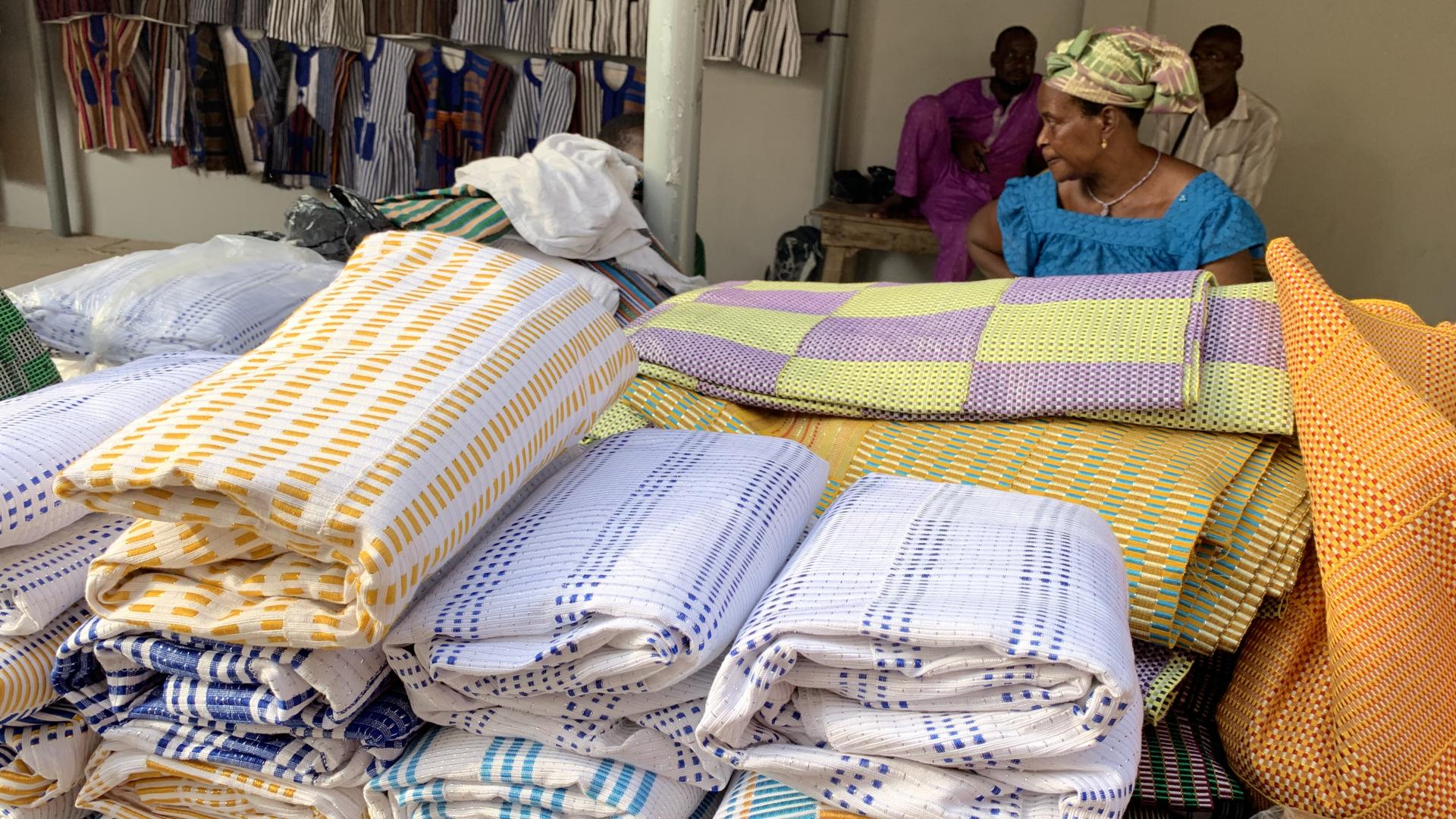
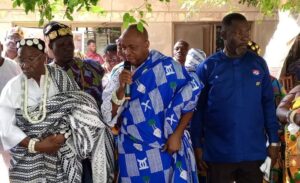 The hand-woven fabric or cloth called “Kete” was originally known as “Avo” or “Agbatimevo” (cloth woven on the narrow loom) by the Ewes, especially the Southern Ewes. The name “Kete” emerged when our forebears were teaching the Asantes how to weave the fabric.
The word “Kete” is a combination of the two Ewe words “Kete” (open or spread it) and “tee” (compress it). These two words explain the two main processes of weaving on the loom. The Asantes could not pronounce the words correctly, hence their corruption into “Kente”.
The claim by the Asantes that they invented the art of “Kente” weaving and later taught the Ewes is not true. The Asante claim (i) that they learnt the art from the spider. (ii) that the word is from another Asante word “Kente” (meaning basket) and (iii) “that Kente means whatever happens to it, it will never tear” are very ridiculous to say the least. The facts of the matter are that Kete Weaving (weaving of fabric on a loom) is quite different from the webbing of the spider and basket weaving. Moreover, even Kete tears — “kete ha vuvuna” as our elders say.
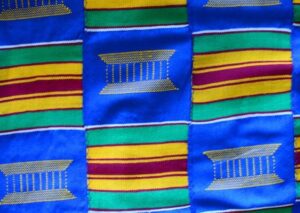
The fact of the matter is that the Southern Ewes did not invent Kete Weaving, nor did the Asantes. Our forebears, the Ewes, learnt the weaving of the cotton fabric (Avalɔlɔ) from the Arabs, who had also learnt it from the Puels (the Fulani), who had also learnt it from the Syrian Semitic of the north-east.
Having learnt the art/craft, the Ewes perfected it as they migrated to Ketu, Notsie, Keta, and eventually Somé. Then, in their trade and war encounters with the Asantes, the Ewes taught the Asantes how to weave the fabric.
It is also worth noting that Asante “Kente” is different from Ewe Kete. Asante Kente is woven with Silk, Rayon, and Lurex. It is formed with geometric forms, and it is light on the body. But Agbozume Kete is formed from numerous intricate figurative motifs with philosophical messages, and it is heavier on the body.

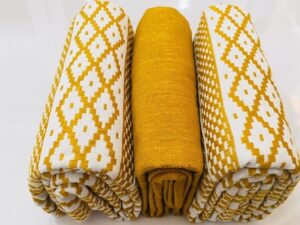
Kete weaving is a common feature in Somé, especially in Somé Wego. In almost every household in Somé, Wego, there is a loom (Agbati) and almost everyone (especially the males) has at some time in their lives been involved in the art.
Source: magazine produced for Sométutu Za, 2025