






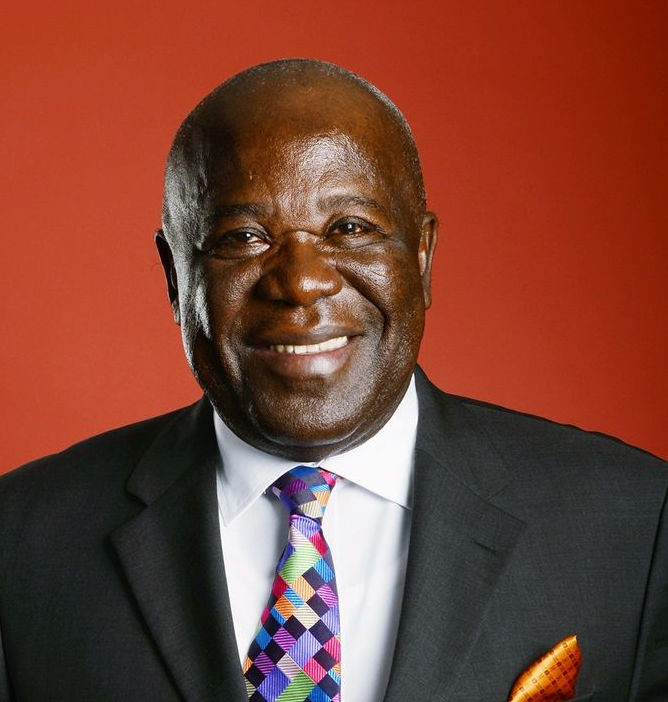
The capital is poised for a seismic intellectual event. On Thursday, October 23, 2025, the Accra Marriott Hotel will host the exclusive launch of Mastering Leadership: Principles, Practice and Lessons, a definitive new work co-authored by corporate colossus Sir Samuel Jonah, KBE, and academic sage Dr. Pikay Richardson.
This is no ordinary book launch; it is a constitutional moment for African and global enterprise, demanding a full accounting of the moral and practical debts owed by those who lead.
The Crisis of Character: A Call for Transformative Governance
The book arrives not as an echo, but as a thunderclap in an era plagued by institutional fragility and the corrosive effects of short-sighted ambition.
Sir Samuel Jonah, Executive Chairman of Jonah Capital, and a man whose very name is synonymous with the dramatic transformation of Ghana’s mining landscape, brings the unforgiving reality of the Practice. His life is the very metaphor of leadership forged in the fire—a journey from the depths of the Ashanti gold mines to the pinnacle of global corporate boardrooms. He asserts that true authority is not simply inherited, but is a discipline of disposition.
Juxtaposed against this is Dr. Pikay Richardson, a distinguished world-class management educator with a formidable academic pedigree. Dr. Richardson delivers the intellectual scaffolding—the Principles—of enduring success, challenging the prevalent belief that leadership is a genetic endowment rather than an ethical and learned skill set.
Together, they articulate a powerful axiom: “The crisis we face is not a crisis of resources, but a crisis of command.”
Bridging the Gulf
The Power of Juxtaposition
Mastering Leadership masterfully achieves what few texts dare: it bridges the vast gulf between boardroom strategy and ethical stewardship providing a rigorous, argumentative structure that dissects the anatomy of both colossal failure and monumental achievement.
From Theory to Trial:
Dr. Richardson lays the foundational theory, while Sir Sam Jonah immediately tests these principles against real-world crucibles—the high-stakes mergers, the liquidity crises, and the constant political maneuvering inherent in African business. The reader is presented with constitutional clarity: every choice a leader makes is either a foundation laid or a fault line created.

The Symbol of the Crucible: The work uses the mine as a potent symbol: a leader must dig deep, not just for wealth, but for the moral fortitude to withstand pressure. This narrative device expands the scope of the conversation, moving beyond the confines of corporate profit to ask: What is the leader’s ultimate duty to the nation, and to its future?
An Invitation to a Broader Dialogue
The launch on October 23rd is structured to be an interactive summit, a vital confluence of corporate executives, political figures, and emerging young entrepreneurs.
The event promises an evening of “leadership dialogue, networking, and celebration” from 6:00 PM to 9:00 PM, transforming the Accra Marriott into a laboratory for future change. This is the moment to replace the aphorisms of wishful thinking with the actionable tenets of proven leadership.
The core message is a direct and powerful challenge: the true measure of a leader is not the wealth they amass, but the legacy of character they leave behind.
This book is the mandatory blueprint for all who seek to master the art of transformative influence. Those committed to building institutions that will outlive their founders are urged to engage with this essential text.
For RSVPs and further information on attending this exclusive event, please contact Shirley Klah at +233 24 475 7873.
By Raymond Ablorh