







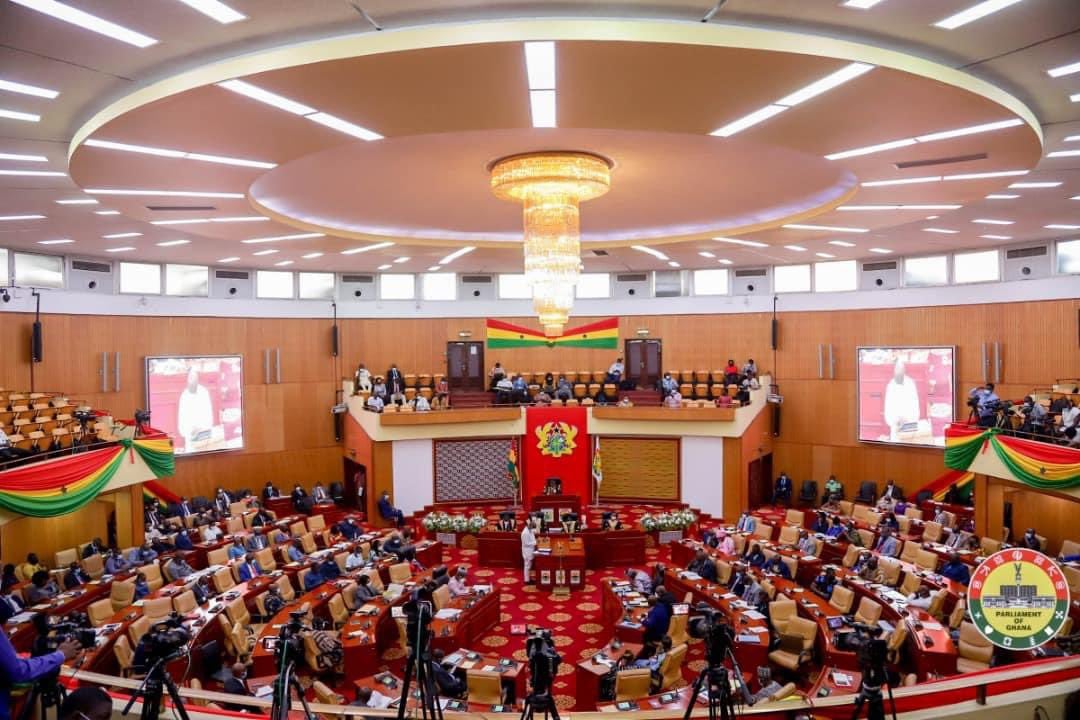
Ghana’s Parliament will resume sitting on October 14, 2025, at 2 p.m., a date many observers describe as a litmus test of lawmakers’ commitment to accountability and the national interest.
The notice, signed by Speaker Alban Bagbin, may appear routine, yet expectations across the country are unusually high. Citizens, advocacy groups, and the business community are all calling for action on urgent national challenges instead of partisan wrangling.
Indeed, Ghanaians expect Parliament to help ease the cost of living, improve health care and education, and create jobs. At the same time, business leaders are demanding a stable policy environment that encourages investment and innovation, while the diplomatic community is watching closely to see Ghana reinforce its reputation as a democratic leader in Africa.
Furthermore, several long-awaited bills remain on the table. Chief among them is the Conduct of Public Officers Bill, which seeks to regulate asset declarations and curb corruption. Equally important is the Affirmative Action Bill, aimed at improving gender equity in decision-making. In addition, fiscal and revenue-related bills require urgent attention, though citizens insist these must not add to household burdens or stifle growth.
Moreover, the public expects Parliament to provide leadership on wider national concerns. The energy sector crisis, with mounting debts and frequent outages, continues to cripple businesses and communities. Unpaid arrears to contractors, teachers, and health facilities are slowing development, while illegal mining, or galamsey, is destroying rivers and forests. At the same time, calls for constitutional reform are growing louder as citizens demand stronger checks and balances. Beyond these, basic needs such as clean water, sanitation, and adequate school infrastructure remain urgent for many communities.
Against this backdrop, both the Majority and Minority Leaders are urged to take the expectations of the citizenry seriously. Therefore, trust will not be earned through speeches but through concrete results. What Ghanaians want is responsible dialogue, bipartisan cooperation, and laws that directly improve their daily lives.
Equally important is the conduct of lawmakers themselves. Many Ghanaians are frustrated with absenteeism, verbal clashes, and the perception that personal or party interests outweigh the national good. Consequently, Parliamentarians must remember they are representatives of the people, and their behavior should inspire confidence. Respect for decorum, punctuality, hard work in committees, and genuine consultation with constituents are essential to rebuilding trust.

In conclusion, the sitting on October 14 is more than a calendar event; it is a defining moment. If lawmakers rise to the occasion, they will restore faith in Parliament as a true representative body. However, if they fail, public disillusionment will only deepen. Therefore, the time for excuses is over; the people are watching.
By Curtice Dumevor, Public Health Expert and Social Analyst, and Edzorna Francis Mensah