









Okay, so check this out—hardware wallets are weirdly intimate devices. Wow! They sit on your desk, a tiny vault that knows more about your financial life than most apps. My instinct said treat them like a safe deposit box. Initially I thought I could just buy a reputable device and forget about it, but then reality bit: firmware, ecosystem compatibility, and evolving attack surfaces keep changing the rules. Long story short: the seed phrase is crucial, but firmware and software matter too, because a compromised update or clumsy app can erode security in ways that aren’t obvious at first glance.
Whoa! Firmware updates feel boring. Really? They are thrilling and terrifying at the same time. Medium-length explanation: updates patch vulnerabilities, add currency support, and improve UX. Longer thought: when a vendor pushes a firmware change, it’s not only code — it’s a trust event that must be validated by the user, by signatures, and sometimes by an independent audit, because an update can be the vector for supply-chain attacks that quietly redirect assets if unchecked.
Here’s what bugs me about human behavior. Hmm… People delay updates. They wait months. They treat a blinking notification like an ad. But updates often include security fixes that close real holes exploited in the wild. On one hand postponing seems harmless; on the other hand, a single vulnerability can allow an attacker to intercept transaction requests or fake device states. Actually, wait—let me rephrase that: postponing exposes you to risk proportional to how popular your assets are and how stealthy the vulnerability is.
I’ve stored coins through a few market cycles. My first hardware wallet sat in a drawer and collected dust for a year. Somethin’ about that felt wrong after I read a writeup on a firmware attack. Suddenly I started updating regularly. (oh, and by the way…) Not all updates are equal — some add multi-currency features by integrating libraries for new chains, which increases the device’s code surface. That extra code can change interaction patterns and introduce bugs if not well-audited.
How firmware updates actually work and why you should care
Firmware is the device’s operating logic. Short. Most updates are cryptographically signed. Medium: signatures let you verify the origin and integrity of an update package before installing. Longer: the update distribution model matters — does the vendor use reproducible builds, deterministic compilation, and transparent signing keys, or do they rely on opaque binaries shipped through a storefront? Those details alter trust radically. My bias is toward transparency; I’m biased, but I prefer vendors who publish release notes, audit reports, and signing key provenance.
Seriously? There are different update methods. Some wallets require a companion app to sweep updates; others allow direct updates via USB. Each method carries trade-offs. For example, using a desktop app increases the attack surface to your computer, though that can be mitigated with air-gapped procedures. Multi-currency support often arrives via software bridges that translate chain-specific operations into the wallet’s common format, and those bridges need careful review.

One practical tip: verify update signatures manually when possible. Short again. On many devices you can confirm the update hash or signature on the device display itself. Medium: this step defeats a network-level man-in-the-middle trying to push a malicious package. Longer thought here—if a vendor rotates signing keys or moves signing infrastructure without clear communication, users can be confused and might skip verification, which is exactly when bad actors win.
Multi-currency support—convenience versus complexity
Multi-currency support is seductive. Wow! You hold BTC, ETH, SOL, and some obscure token, and one device manages them all. Medium: convenience reduces context-switches and lowers the risk of sending to wrong addresses because you use one trusted interface. But longer: each new blockchain integrated typically brings its own cryptographic primitives, address formats, and transaction signing semantics, meaning more code paths and more testing obligations.
On one hand multi-currency support reduces friction. On the other hand it concentrates risk. Initially I thought adding more chains was purely positive, but then I realized that cross-chain signature libraries might introduce subtle bugs. Actually, wait—many ecosystems mitigate this by isolating app modules per chain, using strict sandboxing, and requiring explicit user confirmation for operations. This modular approach helps, but it’s not universal.
Here’s a practical pattern I follow. Short. Use a well-maintained desktop or mobile companion app when available. Medium: for Ledger devices I rely on the vendor’s ecosystem tools and community-trusted apps for chain-specific interactions. Long thought: using official tools makes firmware updates and app installs smoother, but you should still validate signatures, check package origins, and prefer tools with strong community scrutiny and open-source components where possible.
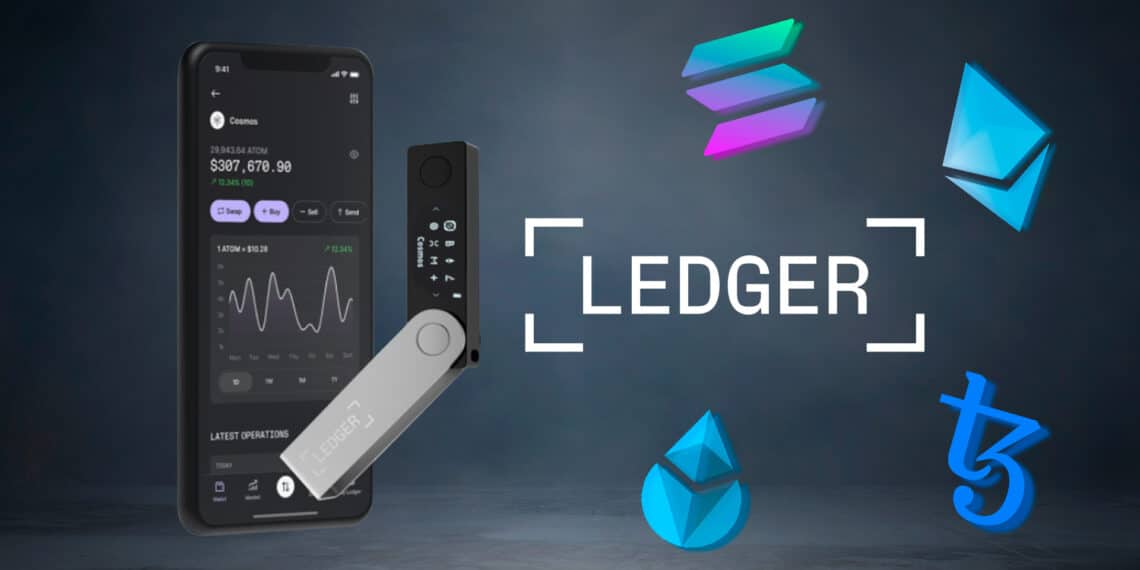
If you want a unified place to manage updates and app installs, try vendor-backed companion software while remaining cautious. For Ledger users, the desktop application ledger live is commonly used to install app support for different chains, manage firmware updates, and monitor transactions. Use it, but use it smartly—verify update prompts on the device itself, and be skeptical of unsolicited update requests or unfamiliar plugins.
Practical security checklist
Short checklist item. Keep firmware current. Medium: update promptly but verify signatures and release notes. Longer: if a release looks fishy or the signing key has changed, pause and ask in trusted community channels or the vendor’s official support before proceeding.
Short item. Use official companion apps. Medium: prefer vendor-recommended clients and avoid third-party tools unless they’re audited. Longer thought: for niche chains sometimes you need third-party bridges; when that happens, restrict amounts and use fresh wallets for experimental flows to limit exposure.
Short. Back up your seed properly. Medium: store the seed offline and consider geographic redundancy. Longer: hardware wallets reduce the attack surface, but backup practices are still the last line of defense; losing a seed or exposing it to a compromised environment is catastrophic.
Short reminder. Audit your workflow. Medium: review how you connect, what software you trust, and whether you use a dedicated machine for crypto operations. Longer: small habit changes—like locking your password manager during signing sessions or using a separate, hardened device—compound into meaningful risk reduction over time.
FAQ
Should I always install firmware updates immediately?
Short answer: usually yes. Medium: updates often patch security issues, but verify the update’s authenticity and read release notes first. Longer answer: if the update introduces major UI or flow changes, consider waiting a short time for community feedback, but don’t delay critical security patches that fix known exploits.
Is multi-currency support safe?
Short: generally, yes. Medium: it’s safe when implemented with modularity and strong testing, but every added chain increases complexity. Longer: mitigate risk by using official companion software, auditing third-party bridges, and using smaller amounts in experimental flows until you trust the stack.
How do I verify a firmware update?
Short: check signatures. Medium: use device-displayed hashes, vendor docs, and community channels to confirm. Longer: prefer reproducible builds and transparent release processes; if the vendor provides cryptographic verification steps, follow them exactly, and if anything feels off, stop and ask—your gut matters, trust it.