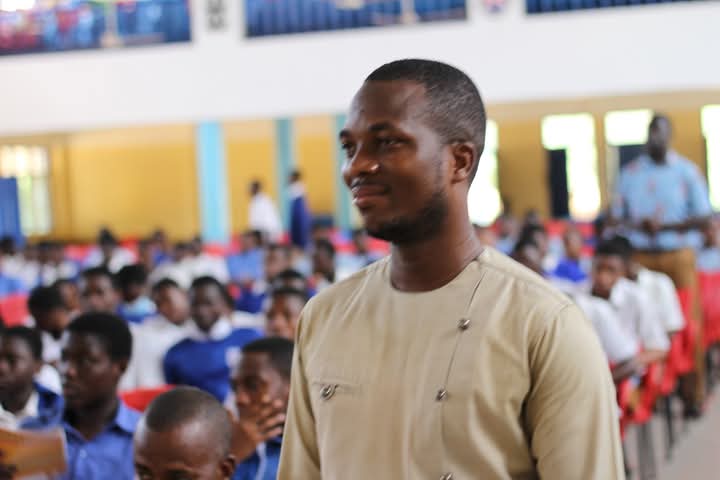







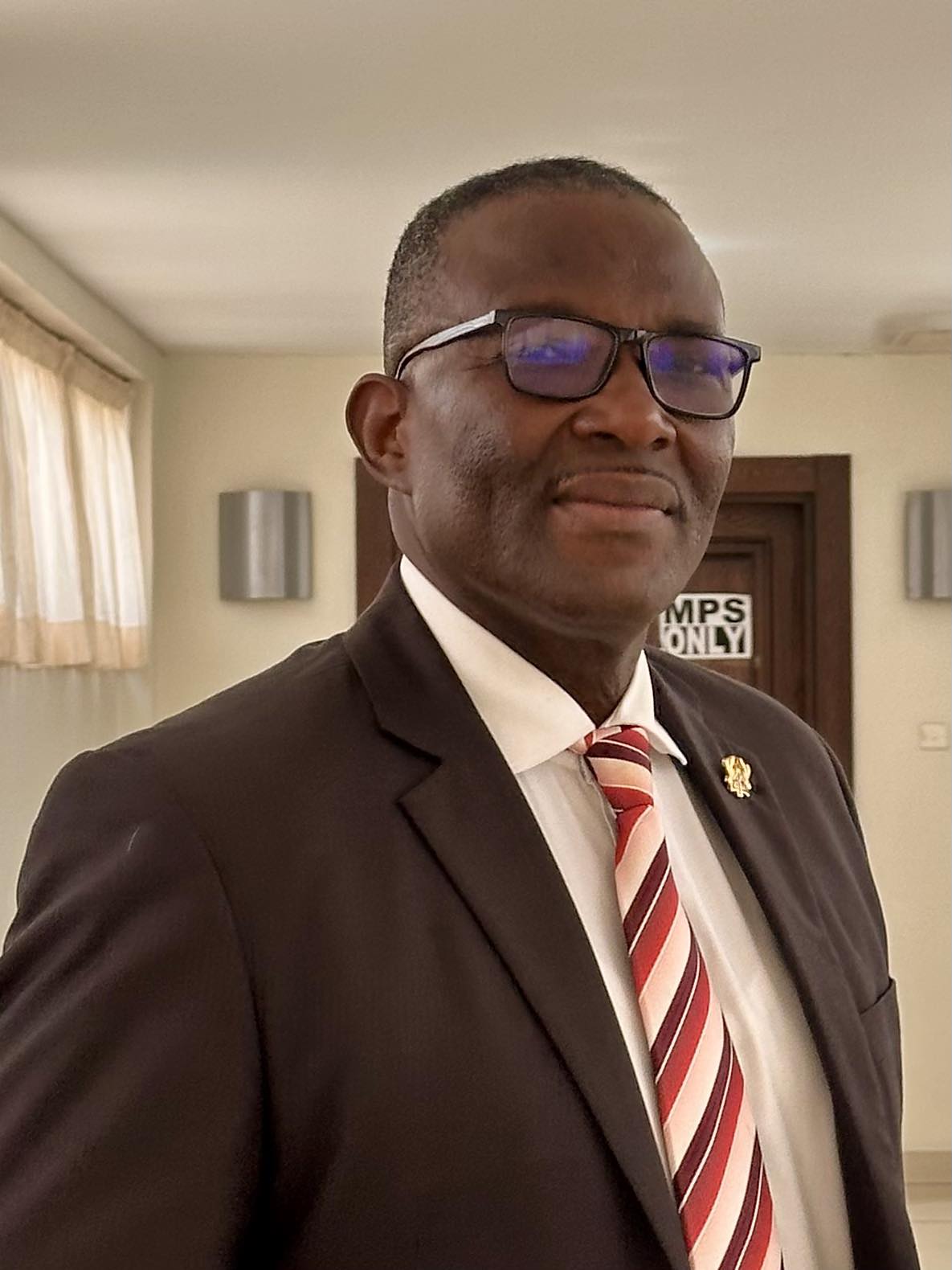
Sebastian Deh, Member of Parliament for Kpando Constituency, highlighted the importance of empowering smallholder farmers—who constitute the backbone of Ghana’s agriculture and economy—through strategic financial inclusion and innovative financial services.
in a statement on supporting smallholder farmers in Ghana – the role of financial inclusion and institutions with tailor-made innovative financial intermediation read on the floor of parliament, Hon. Deh emphasized that smallholder farmers make up approximately 70% of Ghana’s farming population, producing key staples such as maize, cassava, yams, and vegetables, adding that “their efforts are crucial for ensuring food security, reducing rural poverty, and supporting overall economic growth. Yet, despite their vital contributions, these farmers remain among the most vulnerable groups, facing numerous challenges including limited access to credit, inadequate extension services, poor market linkages, climate change impacts, and post-harvest losses”.
 Speaking on the the financial inclusion gap, the MP said, a significant barrier to smallholder farmers’ growth is their limited access to formal financial services suggesting that many farmers in remote areas are excluded from affordable loans, savings accounts, and insurance products, hampering their ability to invest in improved seeds, fertilizers, mechanization, and infrastructure.
According to him, the 2021 Global Findex Report underscores that rural populations in Ghana remain underserved by financial institutions, which exacerbates poverty and limits productivity.
Opportunity International Savings and Loans: A Model for Success
Highlighting positive examples, Hon. Deh praised Opportunity International Savings and Loans (OISL) and similar institutions for their efforts in bridging the financial gap. Operating in Ghana for over 20 years, Opportunity International offers tailored financial products such as seasonal loans, mobile banking services, and financial literacy programs designed specifically for smallholder farmers and agribusinesses.
Through a value chain financing approach, farmers receive seasonal loans at the start of planting, training on financial management, and linkages to markets and input suppliers. These interventions have helped thousands of farmers improve productivity, increase incomes, and elevate their living standards.
Success Stories from the Field
Hon. Deh shared inspiring stories, such as that of Ama Mensah, a maize farmer from Bono Region, who received her first loan in 2020. With the funds, Ama purchased better seeds, fertilizers, and hired machinery, resulting in a 70% increase in maize yield. With improved market access facilitated by Opportunity International, Ama now feeds her family, saves for expansion, and pays her children’s school fees. Similar stories from Kpando and Aboatoase underscore the transformative power of financial inclusion.
Policy Recommendations for Scaling Support
While acknowledging the commendable work of institutions like Opportunity International, Hon. Deh called for government-led initiatives to scale these efforts:
Establish an Agricultural Finance Support Fund
A dedicated fund to de-risk lending to smallholder farmers through credit guarantees, encouraging more financial institutions to develop affordable agricultural loans.
– Strengthen Public-Private Partnerships: Collaboration among government agencies, financial institutions, and agribusinesses to deliver integrated support packages that combine finance, training, inputs, and market access.
– Expand Digital Financial Services: Leveraging Ghana’s rapid mobile money adoption to develop mobile-based savings, loans, and insurance products tailored for rural farmers.
– Develop a Farmer Database and Credit Scoring System: Creating a national database to enable financial institutions to assess creditworthiness accurately, reducing risks and expanding lending.
– Promote Climate-Smart Financing: Providing targeted financing for climate-resilient seeds, irrigation, and solar-powered equipment to adapt to climate change challenges.
Inclusivity for Women and Youth

Hon. Deh stressed the importance of addressing gender disparities, noting that women—who constitute the majority of smallholder farmers—face greater barriers to accessing finance. Developing gender-sensitive financial products and training, along with innovative models to attract youth into farming, are essential for ensuring broad-based support.
Coordinated Policy Interventions
Recognizing the cross-sectoral nature of challenges faced by smallholder farmers, Hon. Deh lauded the government’s flagship “Feed Ghana” program, which includes components like grain development, livestock, vegetable production, and urban agriculture. Coordinated efforts across these sectors can maximize impact and sustainability.
Measuring Impact and Moving Forward
Finally, Mr. Deh emphasized the need for systematic monitoring of financial inclusion initiatives. Developing key performance indicators (KPIs) on farmer participation, loan disbursements, and repayment rates will enable policymakers to assess progress and refine strategies.