




On the occasion of 2025 World Toilet Day, UNICEF has called on the government of Ghana to prioritize sustained investment in WASH—allocate resources, enforce by-laws, and integrate climate resilience into sanitation planning.
They also charged the media to amplify the message that sanitation is life-saving, “help to break taboos and inspire behaviour change,” urging communities to join efforts to make Ghana open-defecation-free.
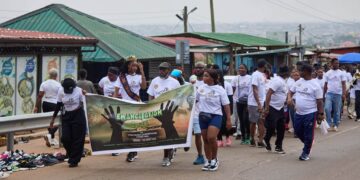
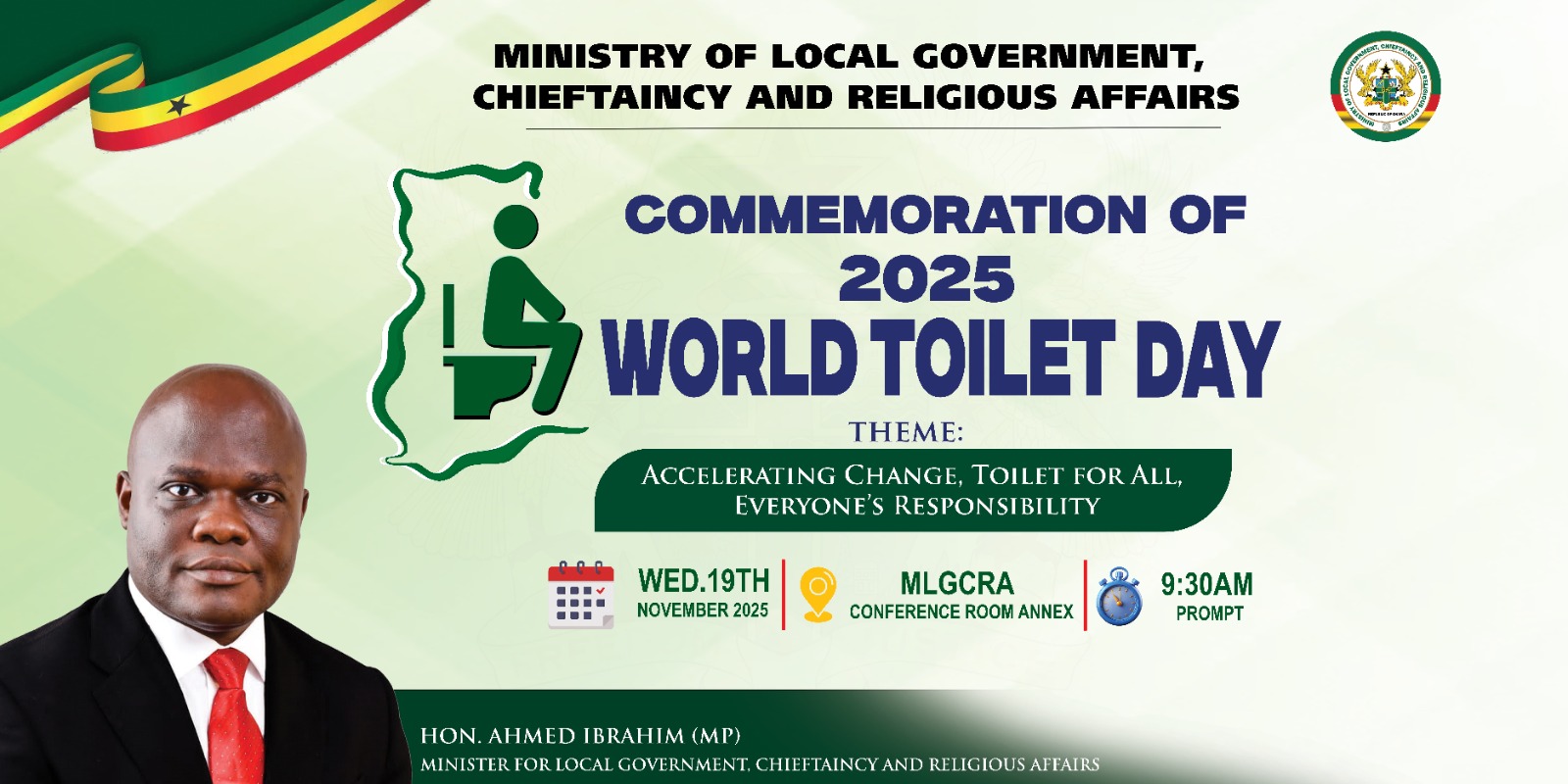
Speaking at the ceremony in Accra to commemorate 2025 World Toilet Day on the theme: accelerating change, toilet for all, everyone’s responsibility, WASH Officer at UNICEF Korama Ocran asked people to unite behind SDG 6 on universal access to safe water, sanitation and hygiene and that “very toilet built is a step toward dignity, health, and prosperity. Together, we can make Ghana open-defecation-free and ensure every person enjoys the right to safe sanitation”.
She however, revealed globally, 3.4 billion people still lack access to safely managed sanitation. Climate change, ageing infrastructure, and inadequate investment are putting sanitation systems under immense pressure and in spite this progress, only 1 in 4 households in Ghana have basic sanitation, while 18% still practice open defecation, exposing families to preventable diseases like cholera and typhoid. Vulnerable groups—especially women and children—bear the greatest risk, with inadequate toilets in schools and health facilities affecting education and maternal health.
“At UNICEF, we are proud to work alongside the Government of Ghana and partners to promote behaviour change for hygiene and sanitation, support WASH in schools and health facilities, ensuring no child learns and no mother delivers without safe sanitation”.

On his part, the Minister for Local Government, Chieftaincy and Religious Affairs, Ahmed Ibrahim, has noted with grave concern that the inadequate sanitation situation in Ghana is costing the country dearly.
He submitted that “the Ghana Health Service estimates that poor sanitation contributes to over 25% of outpatient cases, including diarrhoea, typhoid, cholera, and intestinal worms. Every year, diarrhoeal diseases alone kill more than 5,000 children under five, a figure that should be zero in a country like ours”.
He said, “Improper disposal of faecal sludge is contaminating water bodies”, and uncontrolled disposal of faecal sludge remains a major challenge, contaminating water bodies across urban areas 2023 assessment by the Water Resources Commission revealed faecal coliform contamination in over 60% of surface water samples in water basins, primarily due to inadequate sanitation practices.
He however emphasized that Ghana’s sanitation journey is not a story of failure but one of slow progress, lessons learned, and immense potential., calling for a renewed sense of urgency, collective responsibility, and unwavering political support to transform sanitation access across the country.
He also called for accelerated action, collective responsibility, and unwavering political support, which I am ready to provide.