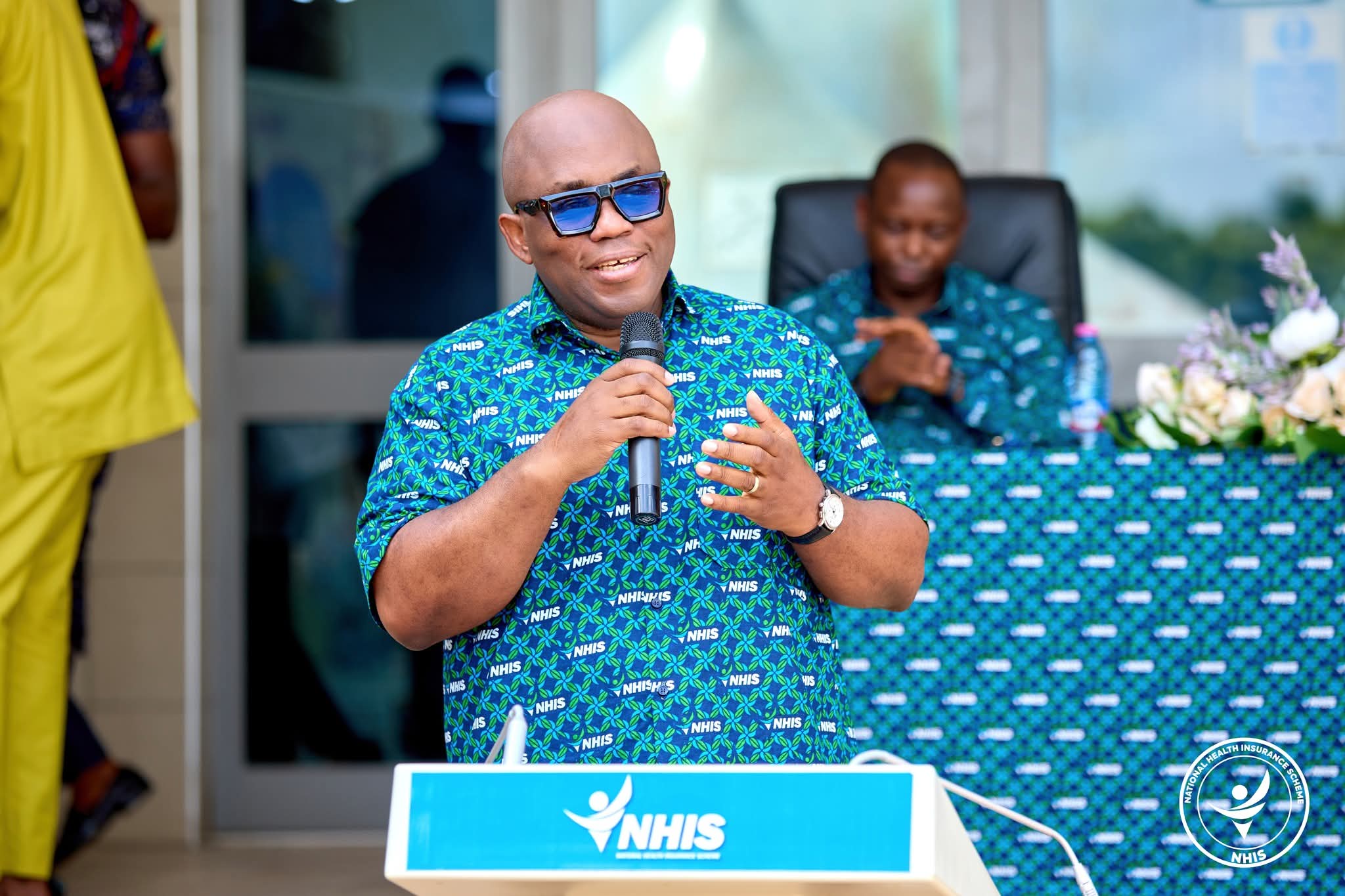









The National Health Insurance Authority (NHIA) has announced a 180 percent increase in tariffs for 2026 as part of major reforms to strengthen healthcare financing and improve service delivery. The announcement was made by the NHIA’s Deputy Chief Executive for Operations, Dr. Senanu Kwesi Djokoto, during a training session on the reviewed National Health Insurance Scheme (NHIS) tariffs in the Volta Region.
Dr. Djokoto clarified that although the overall adjustment is 180 percent, the effective increase in claims reimbursement will be 120 percent. He explained that this restructuring has been made possible following the removal of the cap on the National Health Insurance Fund (NHIF).
“The National Health Insurance Fund had been capped, but thanks to His Excellency the President, John Dramani Mahama, the NHIF has been uncapped this year. This alone has brought in an extra 3.4 billion Ghana cedis,” he stated. “This will transform healthcare delivery in Ghana. It allows us to implement the reviewed tariffs, roll out the Free Primary Healthcare programme, and contribute to the Ghana Medical Trust Fund, which supports individuals with chronic diseases.”
Dr. Djokoto also addressed the ongoing challenge of illegal payments in some health facilities, noting that recent surveys reveal the practice to be widespread. He said the NHIA is intensifying efforts to eliminate the issue.
“The Chief Executive, Dr. Victor Asare Bampoe, commissioned a co-payment taskforce to propose solutions, and one key recommendation is to ensure realistic economic tariffs for providers,” he explained.
World Bank consultant on the tariff review, Rev. Prof. Aduquaye Hesse, commended the new tariff structure as comprehensive and aligned with modern best practices.
“The new tariff is well-designed and provides detailed, structured rates that support optimal patient care,” he noted.
A Consultant Obstetrician and Gynaecologist at the Korle Bu Teaching Hospital, Dr. Isaac Koranteng, expressed optimism about the rollout.

“I look forward to the day we begin using the new tariff. I believe its implementation will finally help address the issue of co-payments,” he said.
With the revised tariff structure, the NHIA expects a significant reduction—and eventual elimination—of illegal payments in health facilities.
Source: Shaniece Palm
Photo Credit: Sylvester Pappoe