






The National Health Insurance Authority (NHIA) has warned health service providers of severe sanctions should they charge National Health Insurance Scheme (NHIS) members illegal or unapproved fees after the rollout of the revised tariffs.
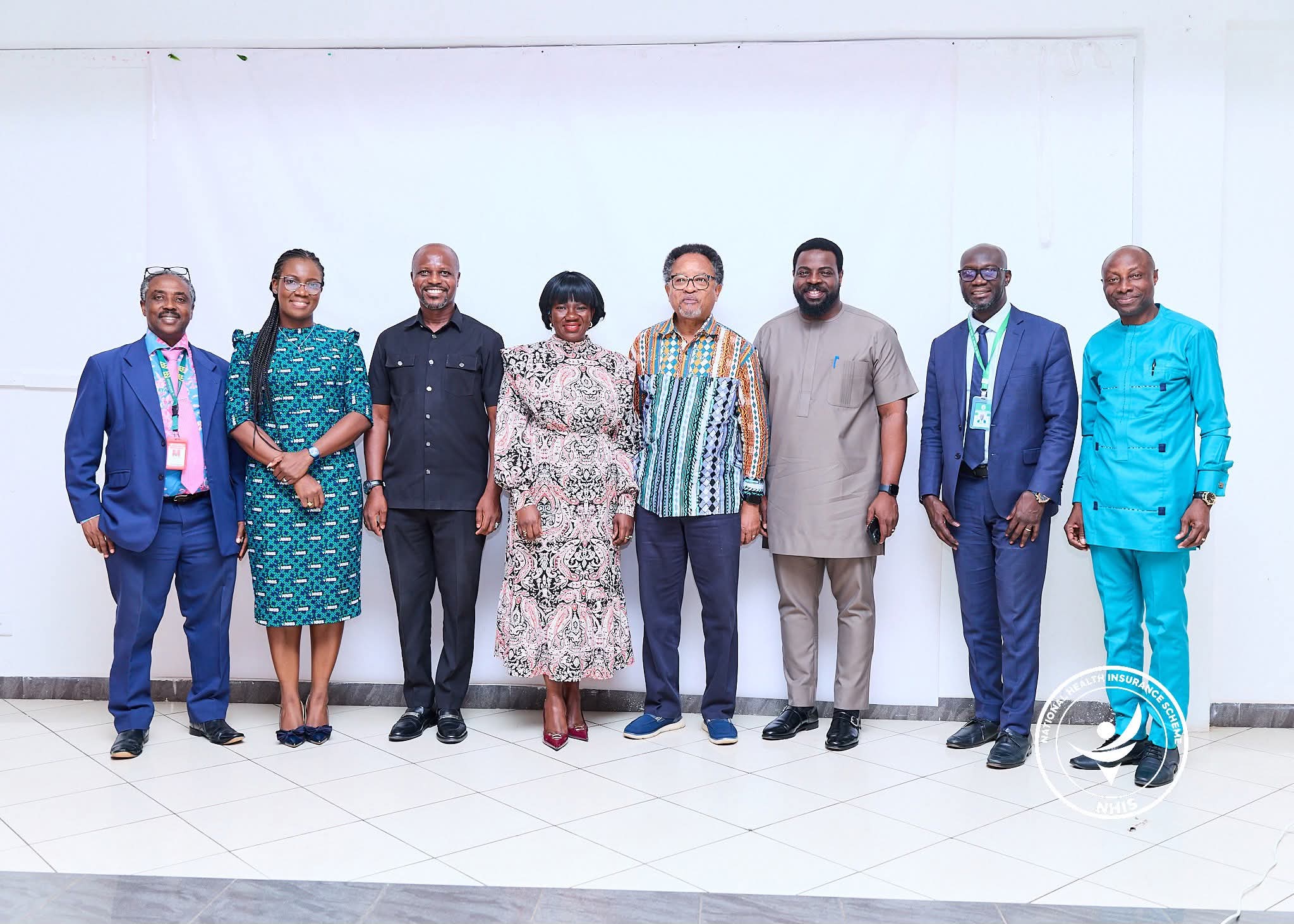
The caution was issued in Kumasi on Tuesday, December 2, 2025, when the Authority engaged service providers from the Ashanti and Western North Regions on the new tariff structure.
The Deputy Chief Executive in charge of Operations, Dr. Senanu Kwesi Djokoto, said the implementation of the revised tariffs would result in about a 180 per cent rise in claims by the Authority.
He said the new tariffs were realistic enough to cover all treatments and therefore removed any justification for unapproved charges.
Dr. Djokoto said tough decisions would be taken against individuals who facilitate fraudulent claims and urged participants to ensure that all their staff comply with the new directives to prevent illegal charges.
He added that to build consensus, the Minister of Health would meet all agencies under the health sector to secure their buy-in before the tariffs take effect.
According to him, about 15 per cent of all claims paid by the Authority were for services that members did not actually receive, constituting fraud.
If unchecked, he estimated that the NHIA could lose nearly GH¢900 million out of a projected GH¢6.5 billion claim expenditure next year.
For this year, he said claims payments stand at around GH¢3 billion, representing about 65 per cent of NHIA’s total resources.
Next year, the Authority plans to spend up to 75 per cent of its resources on claims because “paying claims is our primary responsibility.”
He noted that the current NHIA leadership remains committed to strengthening partnerships and rebuilding trust in the NHIS.

“With your involvement, in 2025, we implemented reforms that uncapped the National Health Insurance Fund and injected GH¢3.4 billion into the health sector,” he said. “We have also increased active membership from 18 million to 19.1 million.”
On behalf of the Chief Executive, Dr. Victor Asare Bampoe, he thanked participants for their support over the years, saying their presence reaffirmed their commitment to ensuring dignified, equitable and financially sustainable healthcare for residents in the two regions.
A World Bank consultant and expert on the Ghana Diagnostic Related Groupings (G-DRGs), Rev. Prof. Atukwei Hesse expressed concern about the reluctance of many public health facilities to provide data on their service charges during the nationwide cost survey that informed the tariff review.
He said CHAG facilities were more forthcoming, while most public facilities refused to disclose their actual cost of treatment. He stressed that such institutions would have themselves to blame if they later consider the tariffs inadequate.
Prof. Hesse said the new tariffs, which are expected to be rolled out early next year, represent a major improvement and should eliminate out-of-pocket payment by NHIS members.
He explained that the G-DRGs group patients and disease conditions that are clinically similar and require comparable resources, enabling standardised and efficient reimbursement.
All related costs, he said, have been built into the new tariffs.
He added that the DRG system encourages efficiency, reduces treatment costs, increases service coverage and ensures that even expensive procedures can be properly reimbursed.