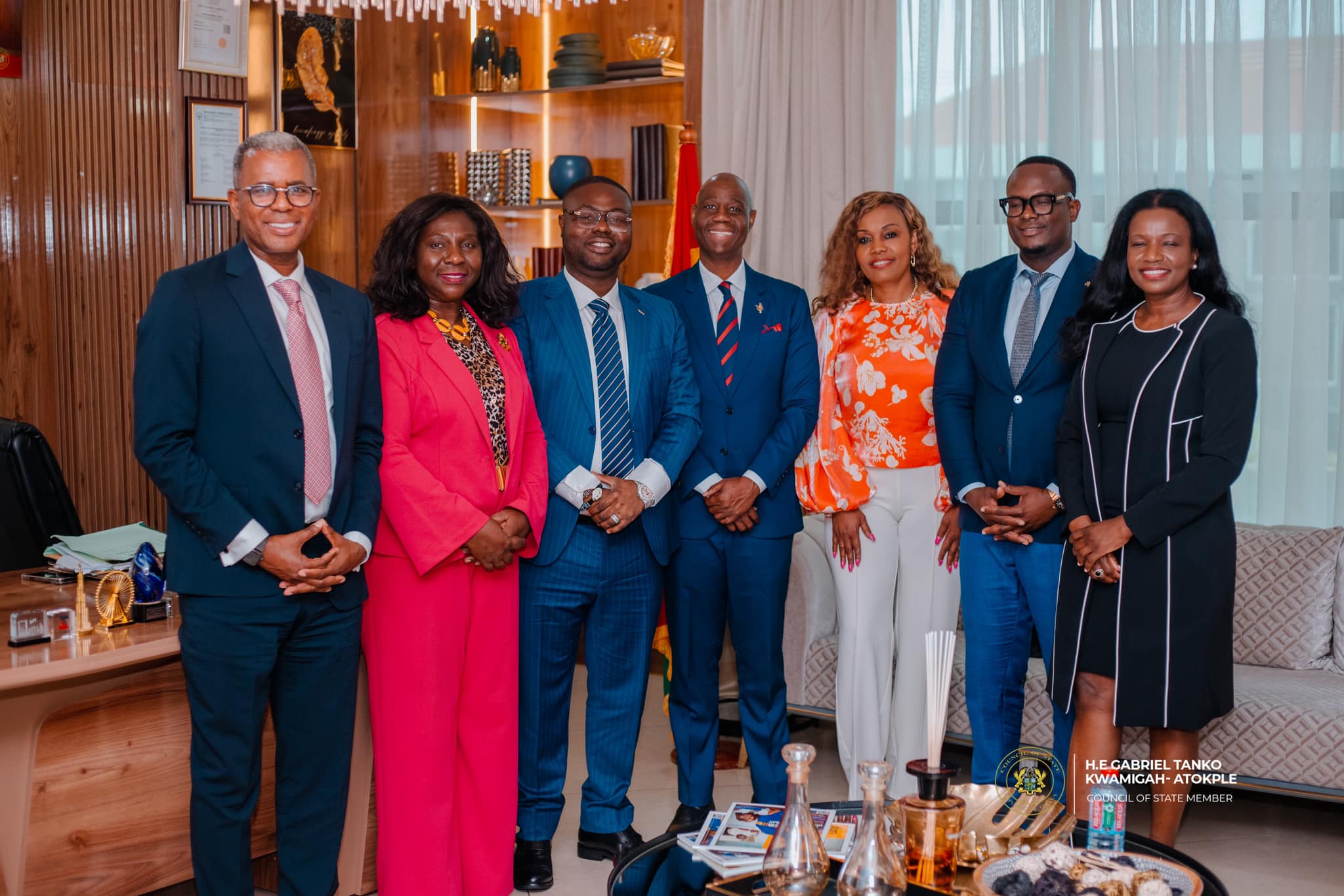








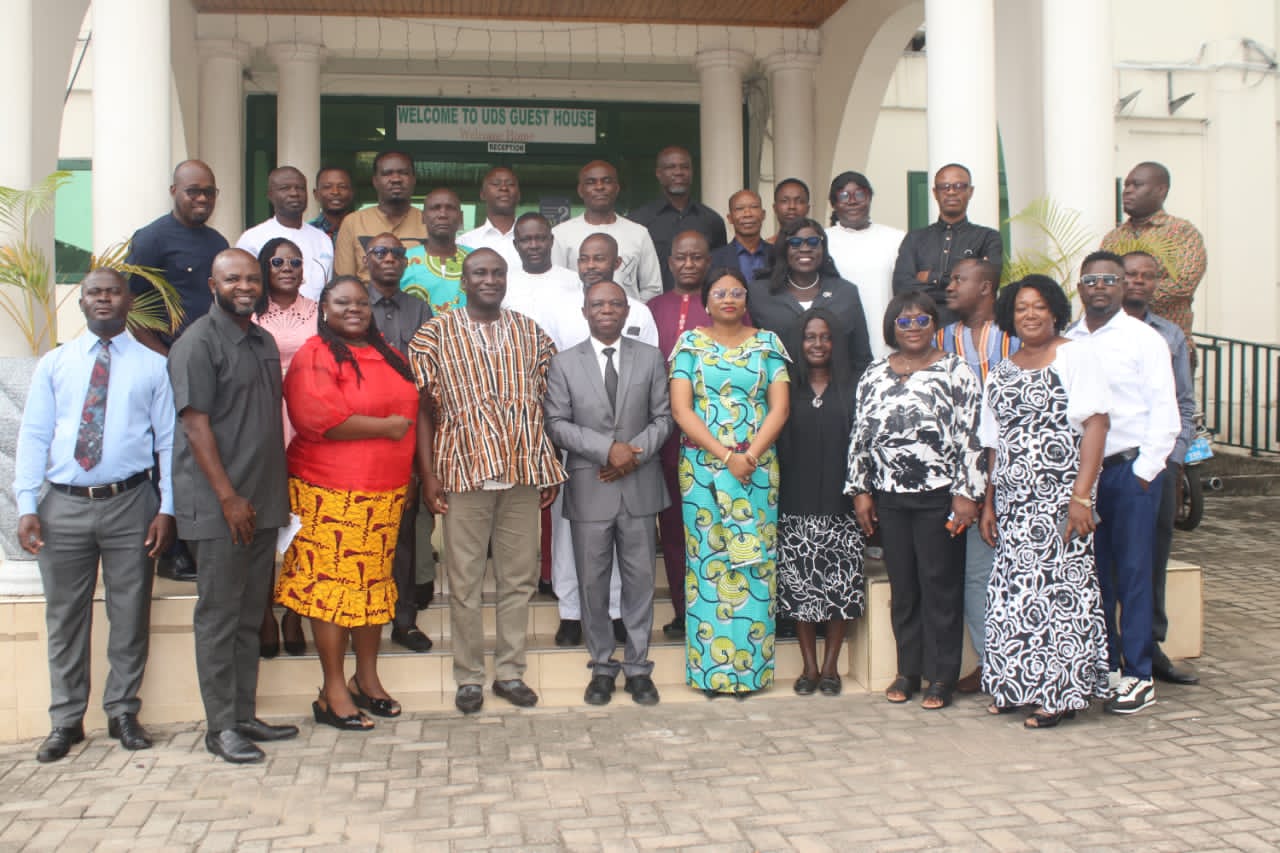
The Complementary Education Agency (CEA) has transformed its recent Orientation Retreat for Newly Appointed Acting Regional Directors into a profound declaration of national commitment, moving beyond mere administrative training to champion a vision of transformative, equitable education for all Ghanaians.
The three-day workshop, held at the UDS Guest House in Accra from Tuesday, December 9th, to Thursday, December 11th, 2025, was hailed as a “crucible of a national transformation” by the Agency’s leadership.
The Mandate: From Statute to Moral Promise:
The retreat was strategically designed to equip the new frontline commanders with the knowledge and skills needed to effectively lead and manage the Agency’s programmes and other activities in their Regions.
However, the tone was set by the Ag. Executive Director, Hon. Daniel Kwesi Ashiamah, who recast the foundation of the CEA’s mission during his stirring welcome address.
”The Complementary Education Agency Act, 2020 (Act 1055), is more than just a statute; it is a constitutional covenant, a moral promise,” stated Hon. Ashiamah. He stressed that understanding the Act, its Mandate, Functions, Vision, Mission, and Object is not just an administrative requirement but the first step in fulfilling the mandate of Equity.
This high-impact vision underscores the specific objectives of the workshop, which include:
Introducing participants to the tenets of the CEA Act, 2020 (Act 1055).
Introducing Ag. Regional Directors to the composition and functions of the Divisions at the Headquarters.
Introducing participants to Annual Action Planning.
Orienting participants on programme activity reporting and quarterly reporting.
Sharing insights into administrative process, systems, and procedures.
Divisions and Strategic Planning:
The logical, argumentative structure of the retreat’s agenda ensured that the new Regional Directors were not only inspired but thoroughly grounded in the CEA’s operational structure. The core focus was an intensive review of the Headquarters Divisions, designed to make the collective effort a “symphony, not a discord.”
The programme included detailed presentations on the Composition, Functions, Sub-Units, Systems, and Procedures of key divisions:
Administration Division: Rebecca Odai (Ag. Director) covered Composition, Functions, Sub-Units, systems and procedures.
Research, Policy Planning, Monitoring & Evaluation (RPPME) Division: Annang Quao (Ag. Director) discussed Composition, Functions, Sub-Units, and the outlook for 2026.
Complementary Education and Training (CE & T) Division: Martha Siaw (Ag. Director) covered Composition, functions, Sub-Units, 2026 Outlook, and the Nature, Overview, and Status of Programmes (CBE, REP, OSD, FLE).
Curriculum Development and Assessment (CD & A) Division: Barbara Okine (Ag. Director) addressed Composition, functions, Sub-Units, 2026 Outlook, Curriculum review process, CBE, and RHE.

Between these critical sessions, the agenda balanced intellectual rigour with practical strategy, including a LUNCH BREAK, a Tea/Coffee Break, Team Building Exercises and a deep dive into Capacity Building Activities focusing on Leadership, Emotional Intelligence, and People Management.
Call to Action: Engineers of Equity:
Juxtaposing policy with performance, Hon. Ashiamah provided a clear aphorism for the leaders: “Where policy ends, impact begins.” He redefined the role of the Regional Directors as the “Engineers of Equity,” who must convert bureaucratic text into “tangible, life-changing results.”
The workshop culminated on DAY TWO with a session on the Way Forward for Programme Implementation led by Dizewornu Boli DED (OPS) and a Workshop Evaluation by Annang Quao (RPPME).
The retreat ended with the Ag. Executive Director, Hon. Daniel Kwesi Ashiamah’s, Closing remarks. The participants are set for DEPARTURE on DAY FIVE, armed not only with the authority of their offices but the moral conviction of their cause.
The CEA, under Hon. Ashiamah’s bold direction, is not merely managing an educational sector, it is actively forging the future by ensuring that the light of literacy reaches every corner of Ghana. “Our performance must not be measured by the reports filed,” he charged, “but by the lives liberated.”
The Minister of Education, Haruna Iddrisu is set to view this strategic, compelling, and morally-driven approach as a hallmark of exceptional public service.
By Raymond Ablorh