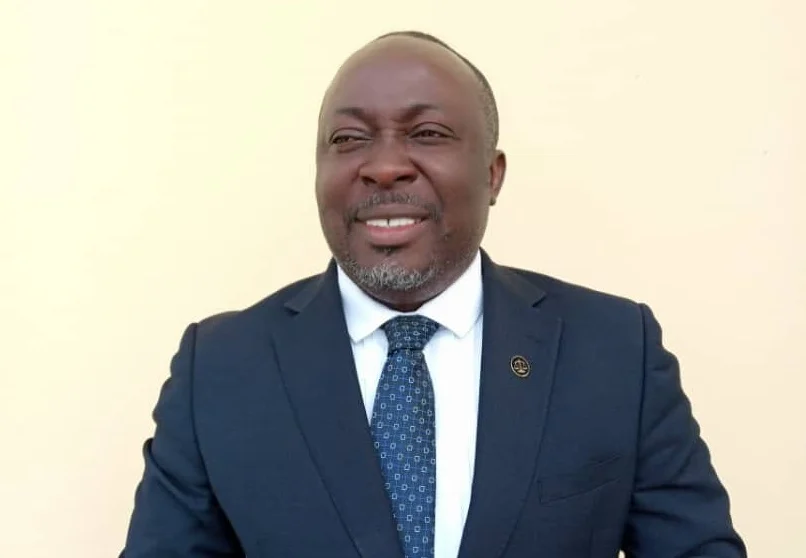








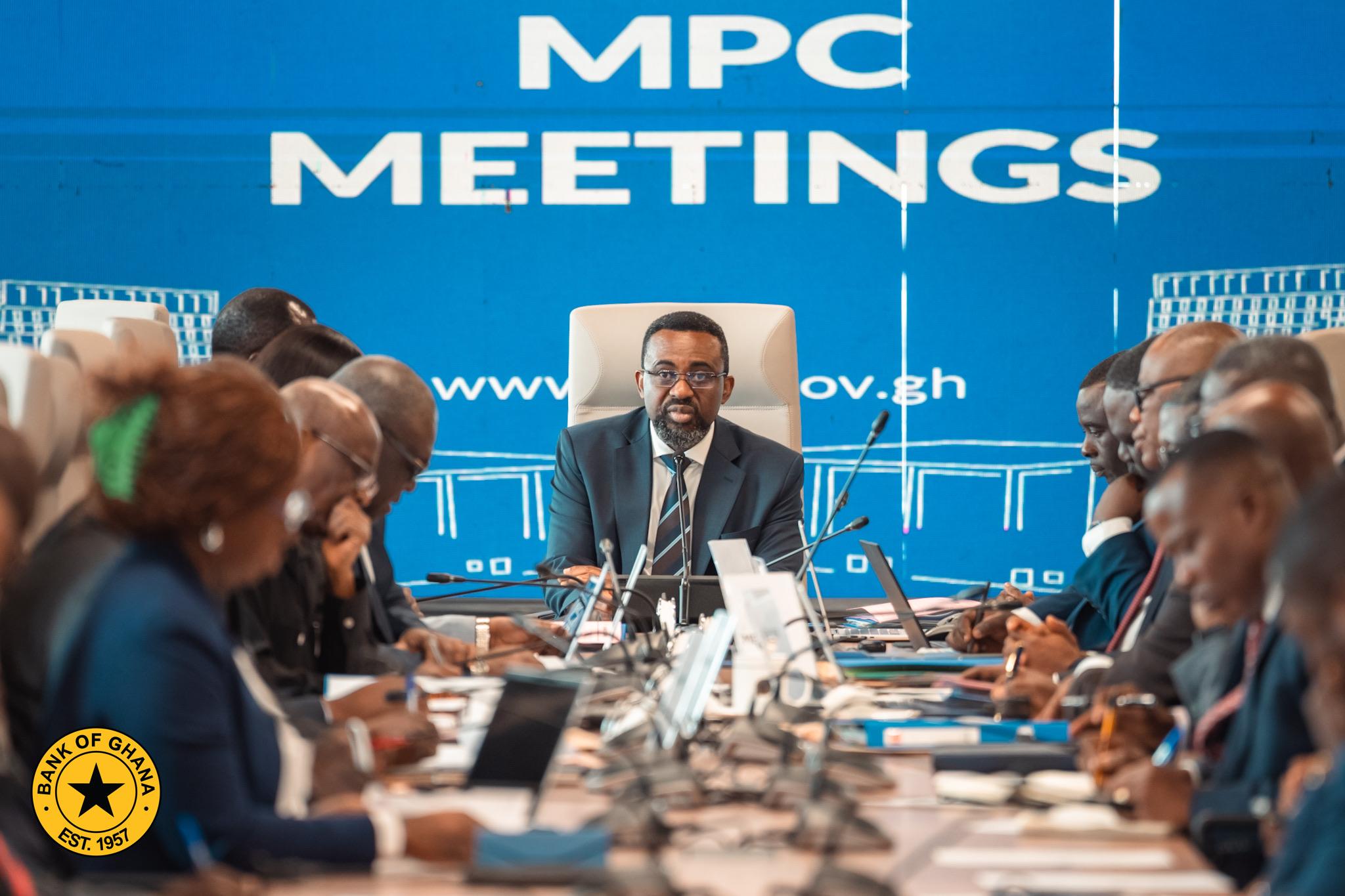
The Governor, Dr. Johnson Pandit Asiama has submitted that the government and the Bank of Ghana are focused on maintaining stability, managing external buffers, and preparing for international reviews to uphold confidence.
According to him, Ghana’s economy in early 2026 shows positive signs of stability and growth, driven by disciplined policies and favorable external factors.
In his Opening Remarks at the commencement of 128th Monetary Policy Committee Meeting in Accra on 26 January 2026, Dr. Asiama however, cautioned and advised that there must be policy adjustments to ensure long-term sustainability and resilience against external uncertainties.
“I must say that this will test our monetary policy in 2026. Since our last meeting, macroeconomic conditions have continued to improve. Inflation declined to 5.4 percent at end-2025, with expectations well anchored.
External buffers have strengthened, with gross international reserves rising to US$13.8 billion, equivalent to 5.7 months of import cover”.
He said these developments are supported by a current account surplus of 8.1 percent of GDP with Economic growth up to the third quarter remains strong and leading indicators point to more growth ahead and this is engendering confidence in both consumers and businesses.
“These outcomes confirm that recent policy choices are yielding results and that policy credibility has been restored. But this meeting is not about touting the successes achieved but rather about analysing the data that will be presented to the committee to assess whether stability will be guaranteed going forward. Globally, growth remains resilient, with projections around 3.3 percent into 2026, even as geopolitical uncertainty persists”.

He menetioned that “while Ghana has benefited from favourable external conditions, particularly higher gold prices, we must remain mindful that these tailwinds may not be permanent. Domestically, rapid disinflation has created policy space, but also raises important questions and policy issues. While well-coordinated monetary and fiscal policies have supported these gains, our task is to assess the durability of these policies and calibrate policy to support growth while preserving credibility. As members deliberate, four considerations are particularly relevant at this meeting”.
Talking about the Cedi, he said currencyi has been remarkably stable in 2025, reflecting improved confidence and a strong external position. While recent pressures appear largely seasonal, expectations will now play a central role in sustaining stability.
“The upcoming IMF review in April 2026 will be based on end-December 2025 data. This Committee is therefore among the first to rigorously assess the indicators central to programme performance; notably inflation, reserve accumulation, and adherence to zero central bank financing, including the transparent recognition of legacy and policy-mandated quasi-fiscal activities”, he noted.