






ADVERTISEMENT
The government has begun concrete steps to prioritise the use of locally produced uniforms across public institutions as part of a broader strategy to boost domestic manufacturing, create jobs, and cut down on imports.
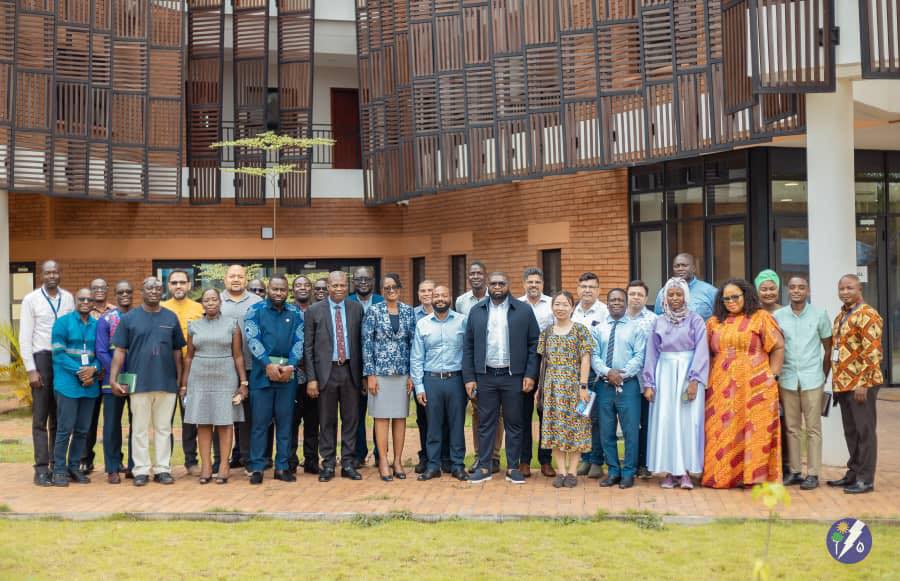
The Minister for Trade, Agribusiness and Industry Elizabeth Ofosu-Adjare announced this move during a stakeholder engagement at the Ministry, on Tuesday 13th January 2026, where she engaged industry players, public institutions, and development partners on a new framework to strengthen local production and procurement of uniforms.
She stressed that uniforms used by schools, health facilities, and security services are procured in large volumes annually and must be leveraged to drive industrial growth.
At the meeting, the Minister pointed to the readiness of Ghana’s textile and garment industry to meet this demand, highlighting companies such as DTRT, UNIJAY, KAD Manufacturing, Sleek Garments, Montibells, and North Shore Apparel, which are already producing uniforms for both the local and export markets.
She revealed that the government is working with the private sector to establish 3 weeks new garment manufacturing facilities in the Bono East, Central, and Eastern Regions, a move expected to create more than 27,000 direct jobs.
To translate policy into action, the Minister outlined plans to harmonise quality and certification standards, develop a centralised list of approved local manufacturers, and improve procurement processes to enable public institutions to source directly from certified Ghanaian producers.
She also announced intensified efforts to clamp down on the illegal importation of fake and pirated textile products, which she said continues to undermine local manufacturers and called on public institutions to embed local content requirements into their procurement plans and urged industry players to scale up production and maintain quality and timely delivery.
Hon. Ofosu-Adjare further assured stakeholders that the government remains committed to building a strong and competitive textile and garment industry, starting with the uniforms worn daily by Ghanaians in schools, hospitals, and security services among others.
Stakeholders at the meeting lauded the initiative of the Minister, describing it as timely and significant for Ghana’s growing garment and textile industry.