




The chimneys of Tema are no longer tombstones. For a decade, they stood as cold, soot-stained monuments to a nation’s arrested development, a silent indictment of a people who owned the vintage but begged for the wine.
But today, a thick, purposeful plume of smoke rises over the industrial skyline, signalling more than just the processing of crude. It signals the return of a sovereign dignity that had been auctioned to the highest foreign bidder.
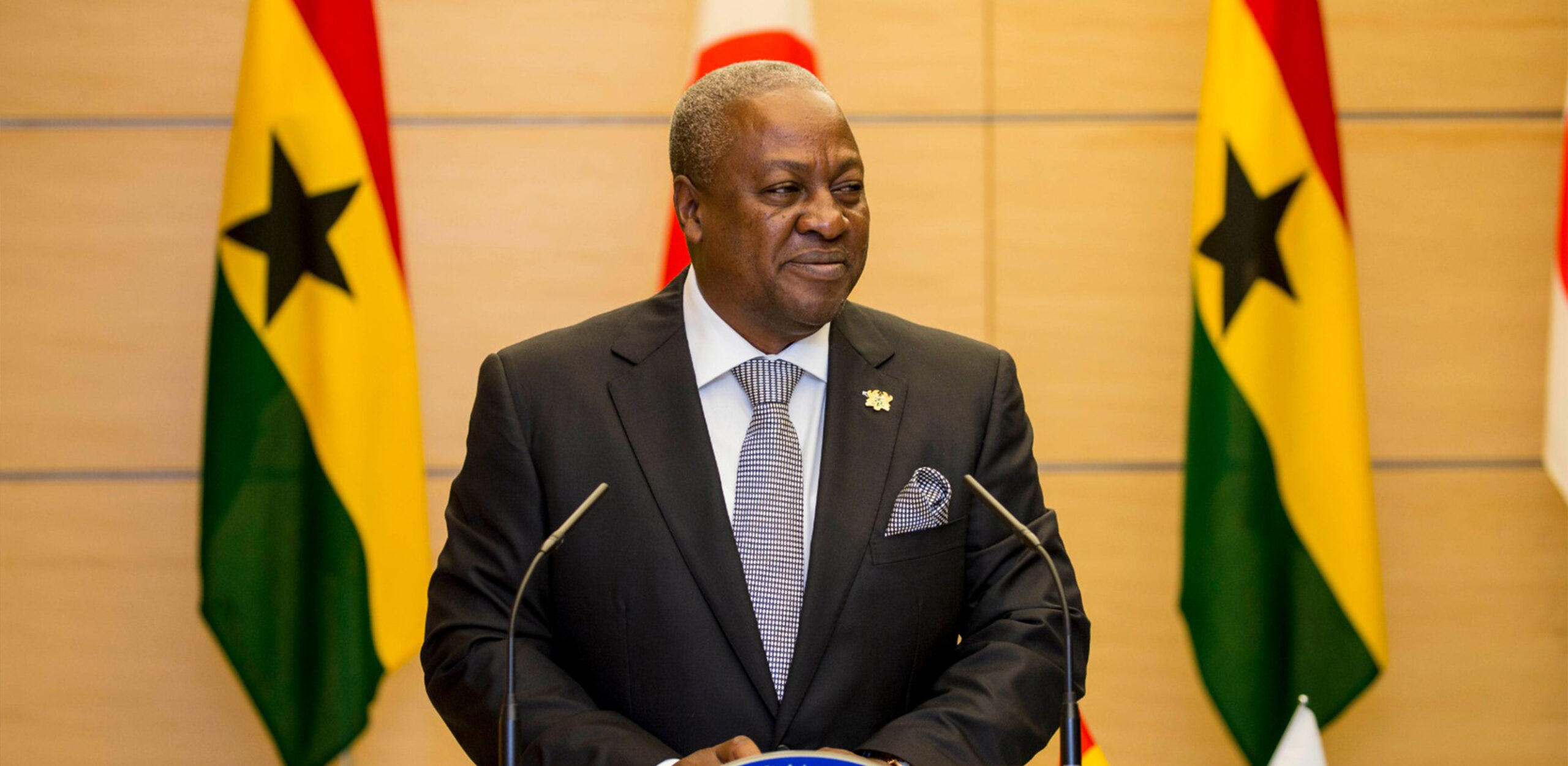
When President John Dramani Mahama stood before Parliament on 27 February 2026 to deliver the State of the Nation Address, his words were not the usual rhetorical flourishes of a politician seeking applause.
They were the solemn testimony of a witness to a miracle. “Ghana is back and working again,” the President declared, singling out the Tema Oil Refinery (TOR) as the heartbeat of the national reset. To be mentioned in such a sacred democratic ritual is an honour reserved for the transformative; to be cited as a symbol of a nation’s survival is a consecration of leadership.
At the centre of this industrial epiphany stands a Managing Director who has proven that leadership is not a throne, but a furnace. He did not inherit a functioning asset; he inherited a graveyard of rusted pipes and a ledger of despair. Yet, where the faint-hearted saw an obituary, he saw an opportunity for a masterpiece of institutional alchemy.
His leadership has been a masterclass in strategic audacity. He understood that you cannot fix a broken soul with technical jargon alone. By executing the Turnaround Maintenance (TAM) with surgical precision between August and October 2025, he did more than repair machines; he repaired the broken spirit of the Ghanaian engineer.
The “tie-in” of the F-61 furnace was not merely a mechanical integration; it was a psychological breakthrough. It was the moment the staff realised that the era of “maintenance by prayer” was over, replaced by the discipline of the deed.
However, to speak only of “barrels per stream day” is to miss the profound human tapestry being woven in the heat of the refinery. The MD’s greatest achievement is not found in the stainless steel of the distillation units, but in the softened eyes of the Ghanaian father who once feared his skills were obsolete.

The revival of TOR has humanised the cold mathematics of macroeconomics. When we speak of saving $400 million monthly in foreign exchange, the economist sees a stabilised Cedi, which, at GH¢10.79 to the Dollar, has humbled the skeptics.
But the MD’s leadership has translated that figure into the language of the kitchen table. It is the sachet water that stays at the same price; it is the tro-tro fare that does not hike overnight; it is the market woman whose capital is no longer eroded by the invisible thief called inflation.
Under this management, TOR has become the shield of the vulnerable. Every drop of fuel refined in Tema is a buffer against the predatory volatility of the global market. It is the “24-hour economy” in its most visceral form, a refinery that never sleeps so that a nation can finally rest from the anxiety of energy insecurity.
We are witnessing the death of the “import-to-survive” syndrome. The MD has positioned TOR as the bridge between our raw potential and our refined future. His commitment to expanding capacity to 60,000 barrels per day is proof that he is not a man of the moment, but a man of the era. He is not just managing a refinery; he is refining a legacy.
The smoke rising from Tema today is the incense of a nation that has decided to stop being a spectator in its own theatre of progress. It is a message to the world that Ghana is no longer a graveyard for industrial dreams.
If the President’s SONA was the blueprint of our hope, the MD’s leadership is the steel that holds it up. We celebrate him not because he restarted a machine, but because he reignited our belief that the African is capable of managing his own affairs with excellence, integrity, and a patriot’s fire. The refinery is back. The soul is reclaimed. The future is, finally, ours to refine.
By Raymond Ablorh