







The Volta Region is poised to become a leading force in Ghana’s agricultural sector, according to Gabriel Tanko Kwamigah-Atokple, aka Chief Tanko, a representative on the council of state for the Volta Region.
 His remarks highlight the region’s readiness to leverage its natural resources and human capital to drive agricultural transformation, which could have significant positive implications for the national economy.
He said, the Region’s fertile soils, favorable climate, and abundant clean water resources position it as an ideal hub for food production and agribusiness development, “This natural endowment offers the potential to boost local and national food security, reduce import dependency, and create employment opportunities across the agricultural value chain.
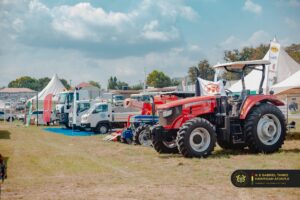
Dr. Atokple, in Ho at the opening ceremony of the Agricultural Fair and Exhibition, submitted that the government’s agricultural reform policies, such as the Agriculture for Economic Transformation Agenda, Farmer Service Centres, and the Farm Bank initiative, present a strategic pathway for the region’s agricultural sector to expand. Proper integration of Volta’s farmers and agribusinesses into these programs could unlock significant economic benefits, including increased productivity, value addition, and export potential.
On the issue of diversification of Agricultural Commodities, the Council member said while rice remains a focus, the region’s diverse agricultural portfolio—including cassava, maize, vegetables, fruits, cocoa, poultry, livestock, and aquaculture—provides multiple avenues for economic diversification. The development of aquaculture, especially fish farming on Volta Lake, could become a major contributor to local economies and food supply.
 Touching on youth in agriculture, he mentioned that the adoption of climate-smart technologies and greenhouse cultivation by young farmers indicates a shift towards modern, sustainable agriculture. This he said present opportunities for attracting youth into agribusiness, fostering innovation, and creating a vibrant agribusiness ecosystem that can stimulate economic growth.
Despite its promising prospects, Chief Tanko however noted the region faces challenges such as high input costs, limited mechanization, access to credit, climate variability, market instability, and post-harvest losses. Addressing these issues through infrastructure development, improved extension services, water management, and support for farmer cooperatives will be crucial for unlocking the full economic potential of the region.

“With the right support and full integration into national agricultural policies, the Volta Region has the capacity to serve as a model for agricultural transformation in Ghana. Its development could lead to increased food production, job creation, and enhanced rural incomes, ultimately contributing significantly to Ghana’s economic growth and food security objectives”.