







This is not about Dr. Muhammedu Bawumia’s Spokesperson, Miracle Aboagye, eventhough, it concerns him, as a citizen, who thought our situation would be worse under the leadership of H.E. John Dramani Mahama.
Of course, when the new administration took the tiller in January 2025, it inherited a landscape of fiscal tremors and pump prices that had long pillaged the pockets of the ordinary Ghanaian.
The air was thick with the scent of exhaustion as citizens watched the numbers at the filling station climb with the relentless cruelty of a fever.
Yet, as the sun dips below the horizon of this transformative year, the narrative has shifted from one of relentless escalation to a hard-won, almost poetic stability.
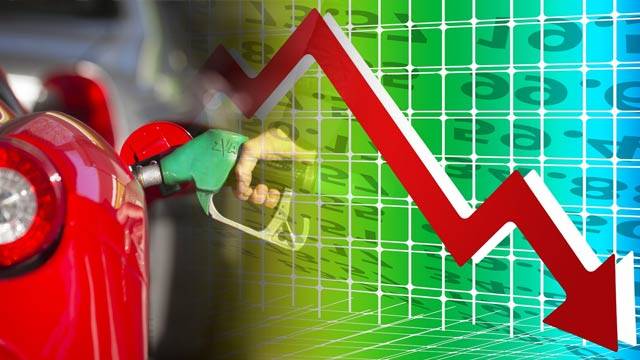
The recent alert from the Chamber of Oil Marketing Companies is not merely a dry forecast of percentages. By projecting further drops of up to 4.8 percent for petrol and nearly 4 percent for diesel this January, the state is offering a thermal reading of an economy finally cooling from its delirious heights.
This is the government’s refusal to let the common man be consumed by the global wildfire, proving that leadership is most felt when it silences the sirens of inflation.
The journey through 2025 was defined by a purposeful tug-of-war between international volatility and deliberate domestic discipline.
The victory at the pump was no accident of fate; it was an exercise in fiscal architecture. At the heart of this recovery was the fortification of the Ghanaian Cedi, which found its footing through a masterclass in currency management.
By appreciating to approximately GH¢10.50 against the US Dollar by December, the Cedi became a constitutional shield, protecting the kitchen tables of millions from the sharp edges of foreign exchange.
In a nation where we import our very breath in foreign currency, this 8.2 percent gain in the final quarter was the miracle the markets had been praying for.
The downward pressure on prices was further catalyzed by a retreat in international refined product costs, creating a rare perfect storm of savings. Market leaders like GOIL and Star Oil have begun to pass these gains on with a moral clarity that suggests the era of corporate indifference is ending.
For the Ghanaian citizen, the drop in petrol prices to below GH¢11.00 represents more than just a cheaper tank of fuel. It represents the restoration of dignity.
It is the reason headline inflation plummeted for eleven consecutive months to reach 6.3 percent in November, the lowest level in nearly half a decade.
This decline is the exact intersection where macro-economic policy meets the living, breathing person.
For the commuter, the stabilization of fuel has stalled the aggressive, upward-only momentum of transport fares. This has provided a critical buffer for workers whose wages have long been chased by the ghost of rising costs.
For the small business owner running a generator or the delivery rider navigating the arteries of Accra, lower fuel costs are an immediate injection of lifeblood. It is the thin, glorious line between profit and mere survival.

The government’s decision to maintain fiscal discipline while fostering this relief signals a fundamental change in the social contract.
The era of taxing the citizen into a phantom prosperity has yielded to a more balanced, compassionate leadership.
While the 56 percent plunge in petroleum revenue reminds us that we are still tied to the whims of a global market, the foundations laid this year suggest we are no longer merely surviving the storm. We are learning to command it.
As we bid farewell to 2025, we find that the long, dark shadows of economic anxiety are finally retreating.
This end-of-year relief is a testament to what is possible when the logic of the high office aligns with the needs of the street.
We offer gratitude for the peace of mind that comes when a citizen can finally look at a fuel pump and see a sign of hope rather than a symbol of hardship.
The pump has stopped bleeding the people; the nation has begun to heal.
By Raymond Ablorh