






The Minority Caucus, led by the Honourable Kennedy Osei Nyarko, has once again retreated to the Press Foyer to demand “full disclosure” on the GH¢50 billion allocated for road contracts under the “Big Push” initiative.
It is a demand wrapped in the noble cloth of transparency but tailored to the measurements of political sabotage. To call for “disclosure” on projects that are already being physically executed across the length and breadth of this Republic is not an act of oversight; it is an act of orchestrated blindness.
The Ranking Member speaks of “sole-sourcing” as if it were a synonym for “malfeasance.” He conveniently ignores the constitutional reality that the Public Procurement Act explicitly provides for such measures in cases of national urgency and specialized expertise.
To suggest that every metre of asphalt must be delayed by years of bureaucratic tendering is to argue for the stagnation of our national development.
The Minority claims there is “not a scintilla of evidence” for the lawfulness of these contracts, yet they ignore the rigorous Value for Money audits that have already been sanctioned. Transparency is not found in the volume of documents one can pile on a desk; it is found in the quality of the roads beneath our feet.
.
A government that is paying GH¢10 billion in legacy debts left by its predecessors, debts that stalled projects and ruined contractors, has already demonstrated the highest form of transparency: financial responsibility.
There is a jarring juxtaposition between the Minority’s rhetoric in Parliament and the reality in their constituencies.
While Hon. Osei Nyarko stands in Accra questioning the “scope of work” for national projects, the people of Akyem Swedru and Aduasa are lamenting the state of their own local roads.
One must ask: is the Ranking Member’s sudden passion for “unit costs” a genuine quest for data, or is it a convenient distraction from a failure to lobby for the very people who sent him to the House?
To demand a “forensic audit” of national success while presiding over local neglect is a moral contradiction that no press release can sanitize.
The Minority describes the GH¢50 billion “Big Push” as a “political wish list.” This is a spectacular mischaracterization of a strategic infrastructure plan.
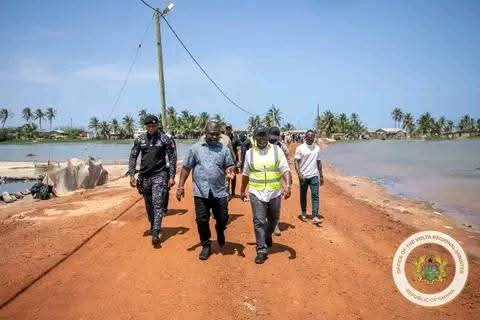
When work has started on 50 major road projects, arteries that connect our farmers to markets and our children to schools, it is no longer a “wish”; it is a “work.”

By demanding the “identities of contractors” and “unit costs per kilometre” in the middle of a construction cycle, the Minority seeks to create a “liquidity of doubt.”
They want to paralyze the Ministry with paperwork so they can later complain about project delays. It is a cynical cycle of obstruction: first, you withhold the credit; then, you demand the data; finally, you lament the delay you helped create.
Real accountability is not found in a press foyer; it is found in the audit reports and the finished interchanges. The “Big Push” is a bold response to a decade of infrastructure deficit. It is a commitment to move Ghana beyond the “honeymoon period” of promises into the “era of execution.”
If the Minority is truly interested in value for money, let them join the Ministry on-site. Let them measure the thickness of the coal tar and the strength of the bridges. But to sit in the comfort of Parliament and manufacture “success stories of failure” is a disservice to the taxpayer.
The state does not owe the Minority a performance; it owes the citizens a road network. We will not allow the quest for “contractual details” to become a tombstone for national progress. The work continues, the contracts are lawful, and the results will be the ultimate rebuttal.
By Raymond Ablorh