







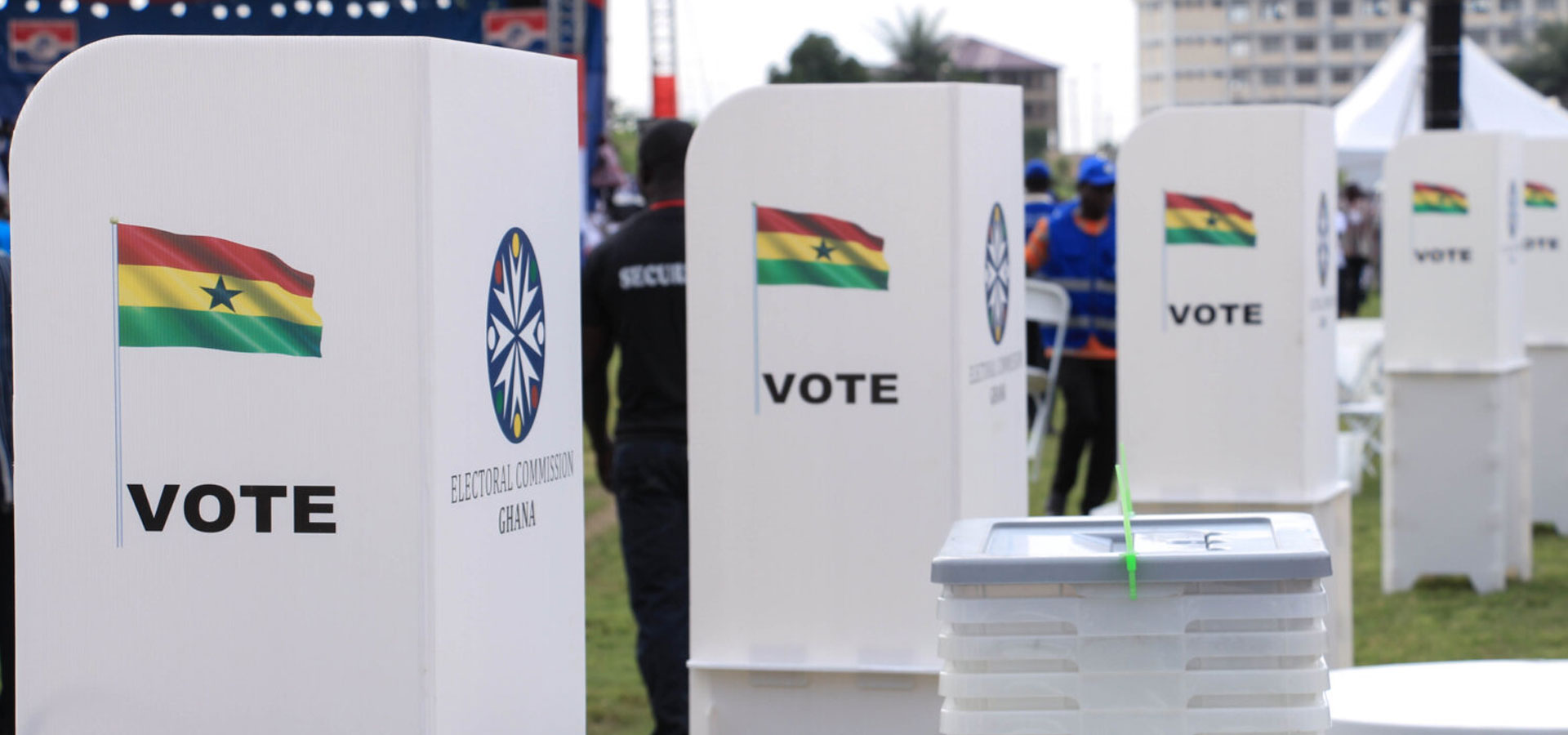
Elections are meant to be the lifeblood of democracy, a celebration of citizens’ voices and a peaceful contest of ideas. Yet in Ghana, the promise of democracy is too often marred by violence, bloodshed, and chaos.
The gore that accompanies some elections, both literal and figurative, serves as a stark reminder that democracy, while robust, is fragile and requires vigilance from leaders, institutions, and citizens.
For example, the Ayawaso West–Wuogon by-election in 2019 revealed how quickly the democratic process can descend into chaos when masked men, allegedly security operatives, stormed a polling station in La Bawaleshie.
They opened fire and injured at least eighteen people, including a sitting Member of Parliament, Sam George, forcing opposition candidates to withdraw. This incident shocked the nation and exposed weaknesses in electoral security and accountability.
Similarly, the 2024 general elections marked one of the deadliest chapters in Ghana’s recent political history.
In Tolon Constituency, a 31-year-old man was shot and killed at Nyankpala Lorry Station, while in Damongo Constituency, a 35-year-old died from a stray bullet during vote collation.
In Ahafo Ano South West, Kwasi Nimo, aged 33, died from gunshot wounds during confrontations at the Electoral Commission office in Mankraso. State institutions were attacked and offices vandalized or set ablaze, creating an atmosphere of fear.
The Ablekuma North parliamentary rerun in July 2025 saw female candidates, party officials, and journalists assaulted, delaying the declaration of results. Eight individuals were later convicted and fined for the assaults.
Data from the Foundation for Security and Development in Africa shows that electoral violence increased steadily in 2024, with over a hundred recorded incidents of physical confrontations, intimidation, and property destruction.
The Greater Accra Regional Peace Council and the National Commission for Civic Education condemned the post-election violence and emphasized the urgent need for accountability and preventive measures.
Amid this turbulence, moments of statesmanship offer hope for the nation’s democratic future.
During the 2024 elections, Dr. Mahamudu Bawumia, the Vice President and running mate of the New Patriotic Party, conceded defeat early and publicly once results indicated the outcome.
His act of humility and respect for the democratic process helped calm tensions nationwide and prevented further escalation of violence.
By acknowledging the will of the people without delay, Dr. Bawumia demonstrated that political rivalry need not devolve into chaos or bloodshed. Observers credit this gesture with saving lives, reducing post-election conflicts, and fostering national dialogue, highlighting the profound impact of principled leadership.
The causes of electoral violence in Ghana are complex. Deep-rooted political rivalries, ethnic and regional tensions, economic inequalities, and a lack of civic education often ignite conflict. In some cases, security agencies are ill-prepared or constrained by political interference, allowing violence to escalate unchecked. These clashes erode public confidence, depress voter turnout, and compromise the credibility of electoral outcomes.
The consequences extend beyond the immediate moment. Communities live in fear, the youth may become disillusioned, and national development suffers while international observers note the erosion of credibility, affecting Ghana’s reputation as a stable democracy.
Reflecting on these events forces the nation to ask hard questions. Why do elections, which should unite, so often divide?
Are our institutions strong enough to prevent and respond to violence?
What role do citizens play in preventing or encouraging conflict? What can leadership teach us about preserving democracy?
The early concession by Dr. Bawumia demonstrates that humility, respect for the rule of law, and prioritizing peace can save lives and maintain stability. How do we ensure that elections strengthen democracy rather than threaten it?
The lessons are clear. Democracy is not just about voting. It is about how citizens and leaders compete, govern, and coexist. Violence erodes the soul of democracy while civility, integrity, and principled leadership strengthen it.
Therefore, to prevent future violence, several measures must be embraced. Civic and voter education should be strengthened across all communities to ensure citizens understand their rights, the voting process, and the importance of peaceful participation.
Security agencies must be empowered, trained, and deployed impartially to prevent escalation. Legal frameworks should ensure swift and consistent prosecution of anyone who engages in election violence.
Political leaders and party executives should commit publicly to non-violence, following the example set by Dr. Bawumia, so that ethical leadership becomes the standard.
Furthermore, transparency in vote counting and collation with independent monitoring will reduce disputes and build public confidence.
Communities have a critical role to play, as local chiefs, religious leaders, and influencers can mediate conflicts before they escalate. Media outlets must report responsibly, avoid sensationalism, and verify information to prevent misinformation from inflaming tensions.
Post-election reconciliation programs can bring together supporters from rival parties to heal divisions and foster national unity, ensuring that election cycles end with dialogue rather than enmity.
Ghana must prioritize human life, respect the will of the people, and enforce the rule of law.
Political competition should ignite ideas, not bullets. Passion should fuel participation, not intimidation.
Civic education, transparent electoral procedures, and responsible leadership are essential for transforming elections into safe and credible events.
By embracing these lessons, fostering dialogue and upholding the principles of peaceful participation, the nation can ensure that future elections are defined by inked fingers and joyous voices rather than blood and fear.
The journey is difficult, but the prize, a stable, united, and thriving democracy, is worth every effort.
Moments like the 2024 election, with the early and gracious concession by leaders such as Dr. Bawumia, remind the nation that peace, integrity, and democracy can triumph even in the shadow of conflict.
By Curtice Dumevor – Public health expert