






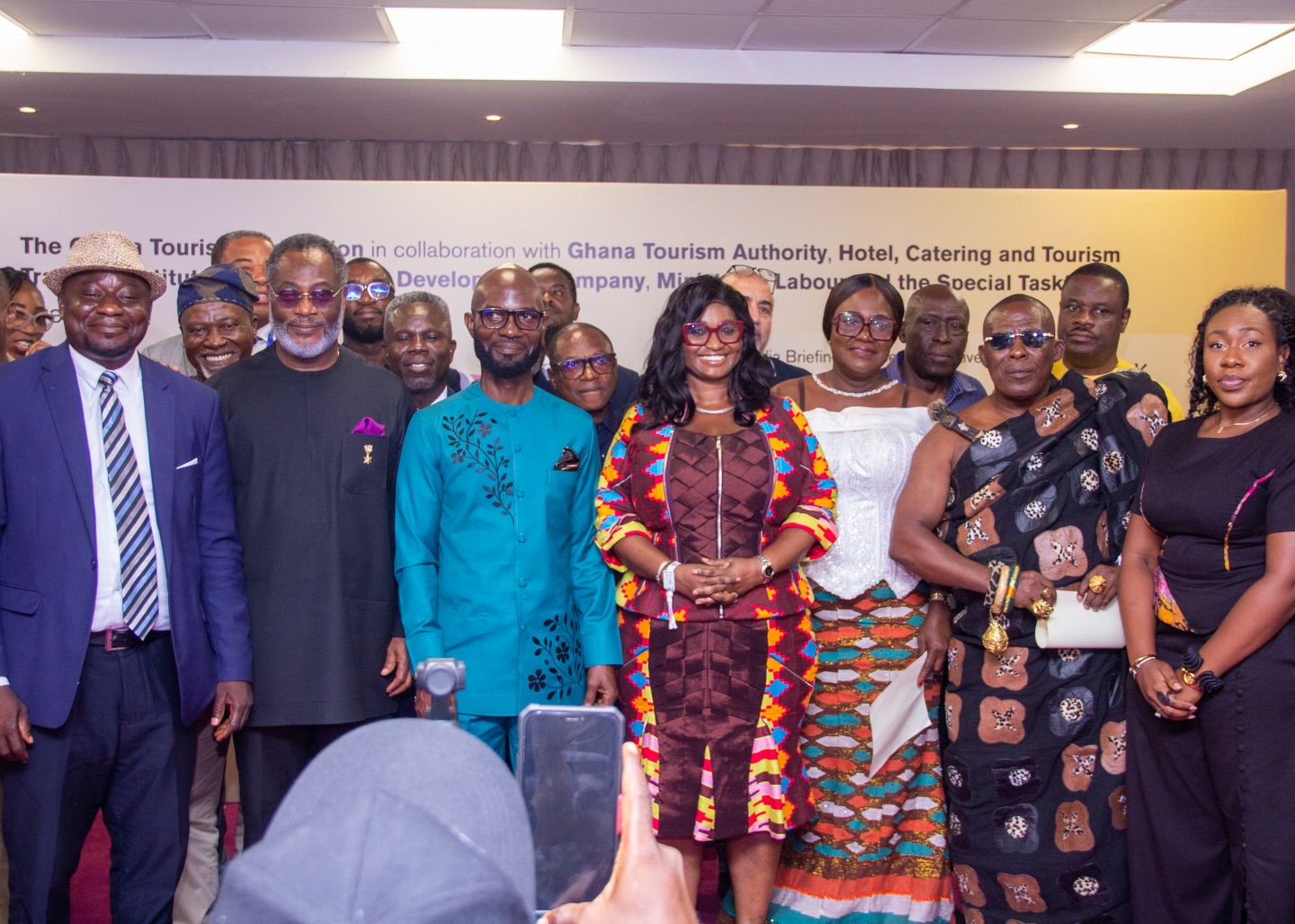
The Ghana Tourism Authority (GTA) is charting a new course toward sustainable development and youth empowerment in the country’s tourism sector. Speaking at the Ghana Tourism Federation (GHATOF) event held in Accra, GTA CEO Maame Efua Houadjeto underscored the importance of embracing green practices and innovation as key drivers for future growth.
“Our future in tourism depends on environmentally responsible operations backed by strategic investment and innovation,” Houadjeto emphasized, urging industry stakeholders to prioritize sustainability in their endeavors.
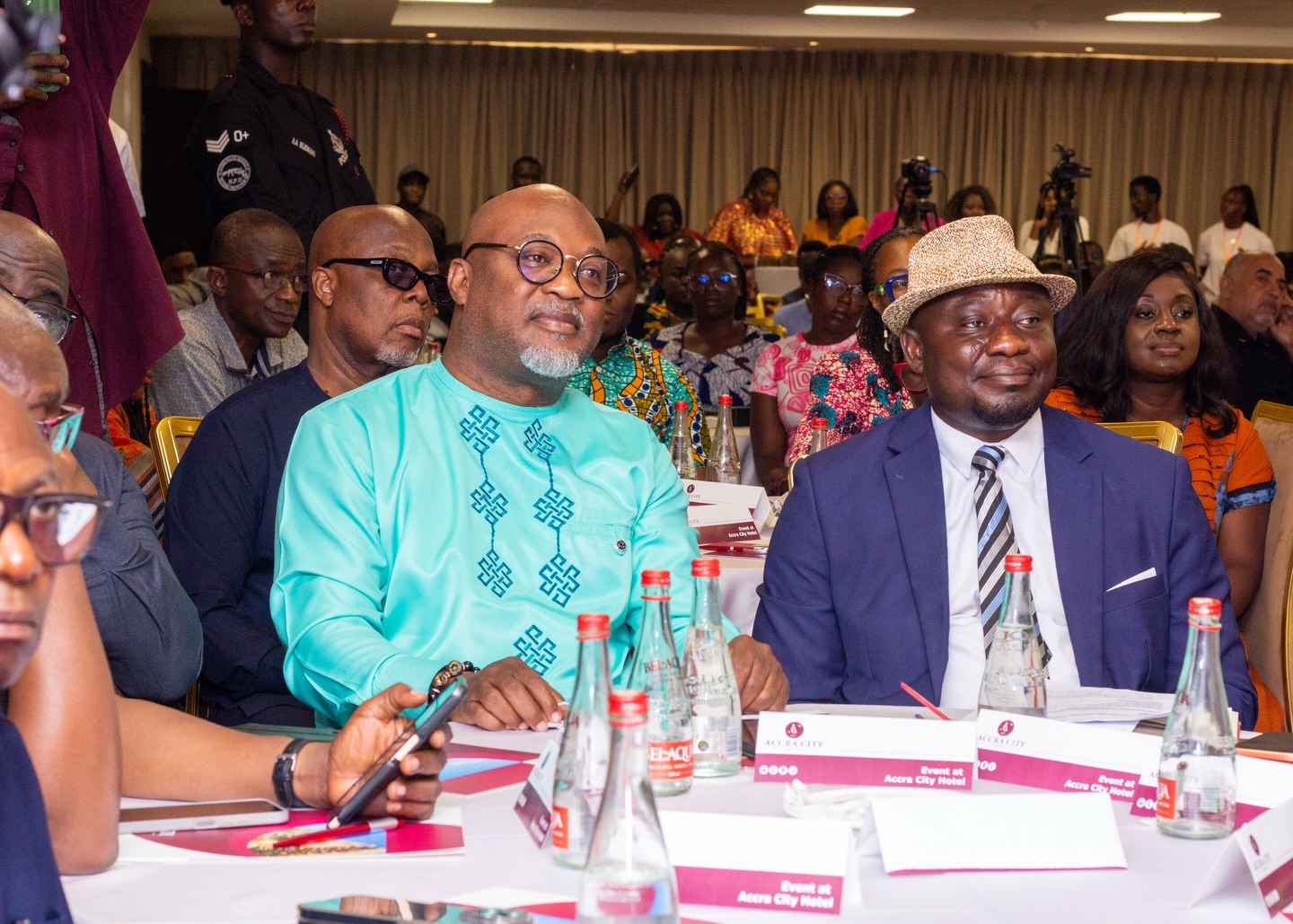
In a major move to transform Ghana’s tourism landscape, the GTA, in collaboration with GHATOF, unveiled a comprehensive strategic intervention aimed at boosting workforce capacity, addressing youth unemployment, and promoting sustainable practices. Central to this effort is the launch of the **Graduate Tourism Employment and Mobility Support (GTEM) Programme**, an initiative designed to equip young graduates with practical skills and create employment opportunities across the country.
Under the GTEM Programme, 200 graduates will receive training and certification as professional tour guides, with deployment across hotels, tour companies, cultural sites, and events nationwide. A standout feature of the initiative is a structured work-and-pay mobility scheme, which will provide vehicles to guides and small operators without requiring upfront costs—aimed at overcoming transportation and logistical hurdles.
“This is not just talk; we are moving from conversation to action,” Houadjeto stated, emphasizing the importance of collaboration between government, private sector, and young professionals to unlock Ghana’s tourism potential.
The programme also aims to support small tourism businesses and startups lacking operational capacity, with a focus on sustainability through partnerships with financial institutions. These collaborations are expected to enable hospitality operators to adopt renewable energy solutions such as solar and biogas, thereby reducing operational costs and enhancing competitiveness.
Complementing these initiatives, GHATOF President Seth Ocran announced the introduction of a National Professional Training and Certification Policy Framework. Developed in partnership with the Ministry of Labour, Jobs and Employment, and academic institutions, the framework aims to standardize skills development, improve service quality, and introduce flexible learning models, installment-based payments, and a training access fund to broaden opportunities for frontline workers.

Additionally, GHATOF launched the “Uplifting Women in Tourism Youth Programme”, a flagship initiative supported by over 30 partner organizations. This programme focuses on empowering women and youth through digital tools, energy access, enterprise development, and industry recognition.
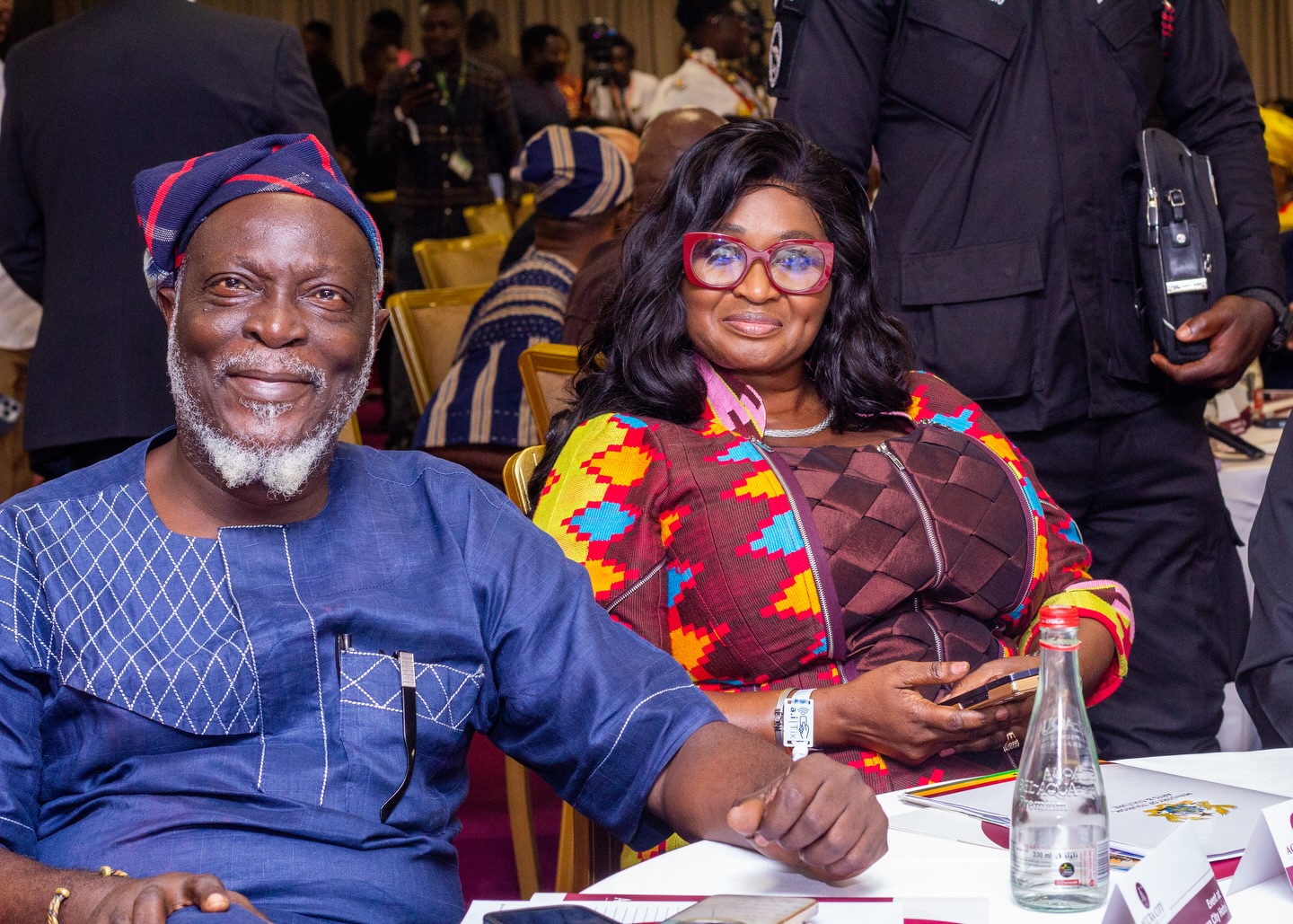
President Ocran reiterated Ghana’s ambitious goal to increase tourism’s contribution to the nation’s Gross Domestic Product (GDP) from 5.7% to 10% by 2030. He called on industry stakeholders, trade associations, and academic partners to diligently implement the new policies and frameworks to position Ghana as a leading regional tourism destination.
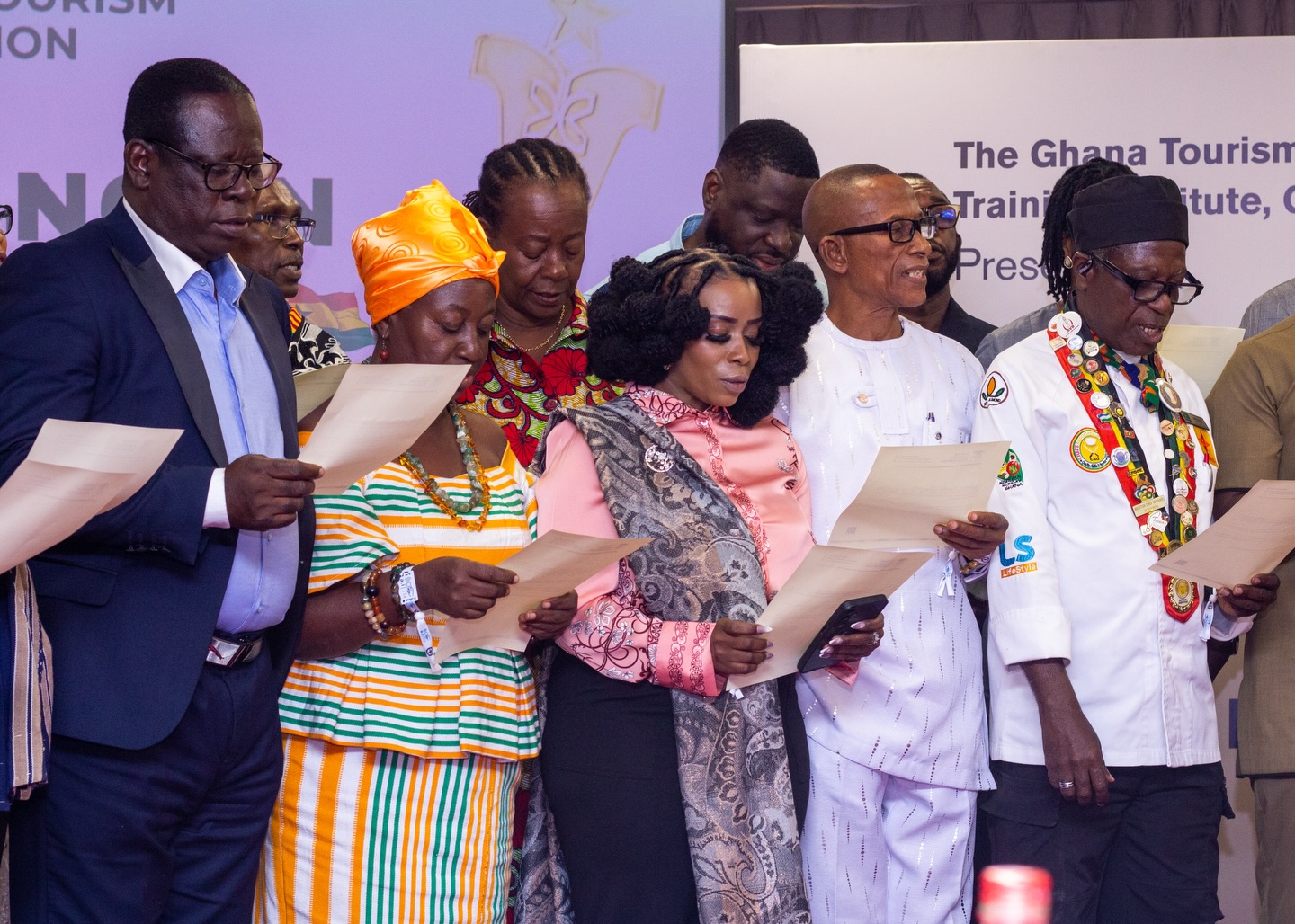
The event concluded with the swearing-in of new members tasked with overseeing these initiatives, led by Drolor Bosso Adamtey I, Paramount King of the Se Shai Traditional Area and a member of the Council of State. The traditional leader urged the new appointees to work collaboratively to achieve the set targets and ensure that the tourism industry continues to thrive and bolster the national economy.
These coordinated efforts by the Ghana Tourism Authority and the Ghana Tourism Federation mark a renewed national drive to professionalize the sector, enhance service standards, and unlock broader economic benefits through tourism.