






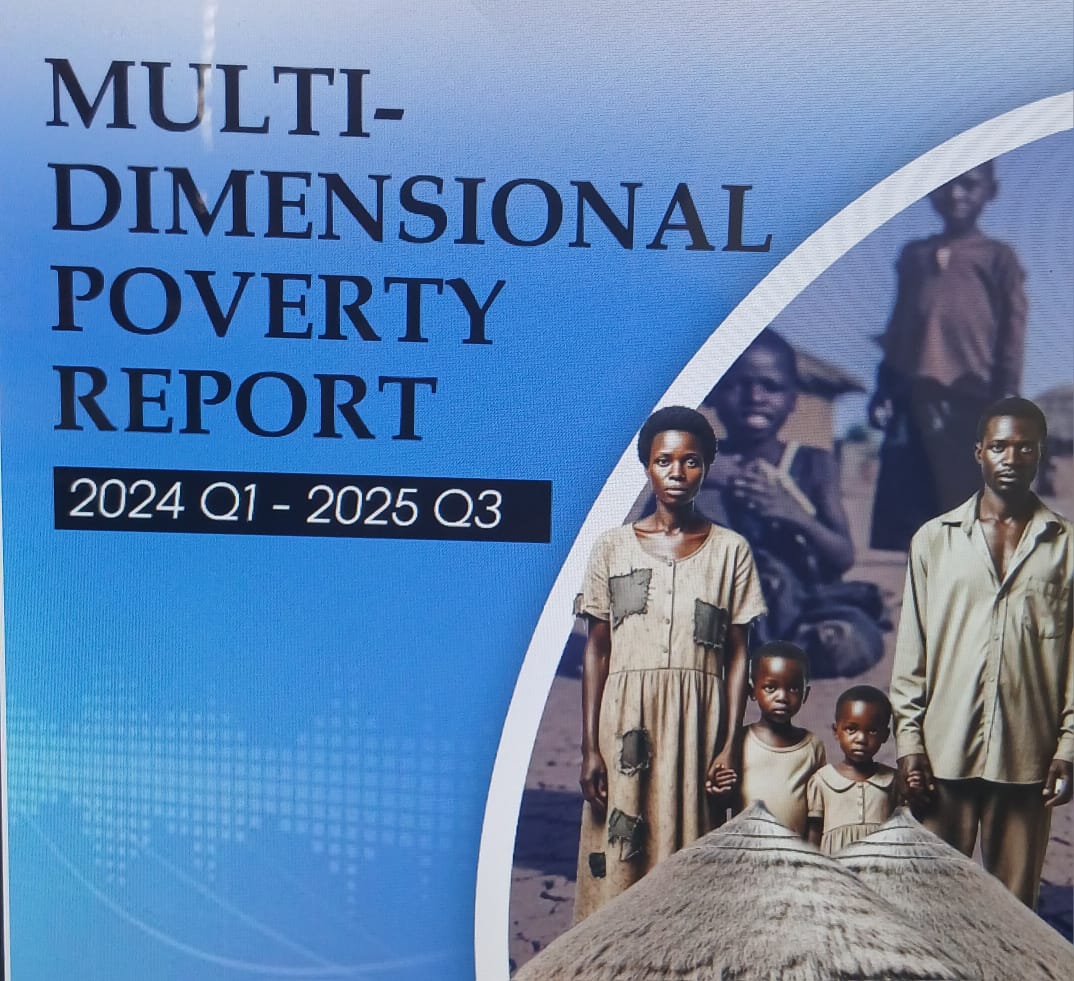
In the dawn of 2026, the nation took a moment to reflect on its journey through the complexities of multidimensional poverty, as captured in the Quarterly Multidimensional Poverty Report spanning from the first quarter of 2024 to the third quarter of 2025. Presented by Alhassan Iddrisu, a dedicated government statistician, the report painted a nuanced picture of progress, challenges, and the road ahead.
The story begins with a recognition of the strides made in health coverage. The government and public institutions were urged to expand the National Health Insurance Scheme (NHIS), not only to include more citizens but to ensure their renewal and sustained access. Households were encouraged to maintain active health insurance, understanding that health security is foundational to breaking the cycle of poverty.
Sanitation emerged as a critical theme in this narrative. Improving access to clean water and toilet facilities was seen as essential, not just for health but for dignity. The report emphasized that better sanitation could significantly reduce disease burden, especially in rural and underserved regions, thus paving the way for healthier communities.
Education remained a pillar of hope and resilience. Strengthening school feeding programs and educational support was recommended to keep children in school without interruption. Reducing school lag and ensuring consistent attendance would help nurture a skilled future workforce, capable of innovation and growth. Households were advised to keep their children enrolled and focus on nutrition, especially for the young, to foster cognitive development and long-term well-being.
Economic empowerment was also a key focus. The report called for scaling up skills development and job creation initiatives, especially targeting the poorest regions and rural areas. Engaging in apprenticeships and livelihood programs was seen as vital for individuals to gain independence and improve living standards. For businesses and the private sector, the message was clear: support enrollment in health schemes, invest in infrastructure like water and electricity, and create opportunities for vulnerable groups, including persons with disabilities.
The narrative was not only about government action but also about the active role of individuals and households. Maintaining health insurance, staying in school, improving household nutrition, and engaging in livelihood programs were personal commitments that could accelerate progress toward reducing multidimensional poverty.

Businesses and private enterprises were called upon to support these efforts through investments and inclusive policies. Supporting MSMEs, creating decent jobs, and providing training and scholarships were seen as crucial steps toward building an equitable economy.
As the report concluded, the story was one of collective effort—government, households, and businesses—all working in harmony to transform data into tangible change. The journey toward a more equitable, healthy, and prosperous society was ongoing, with each stakeholder playing a vital role in shaping a brighter future for all.