








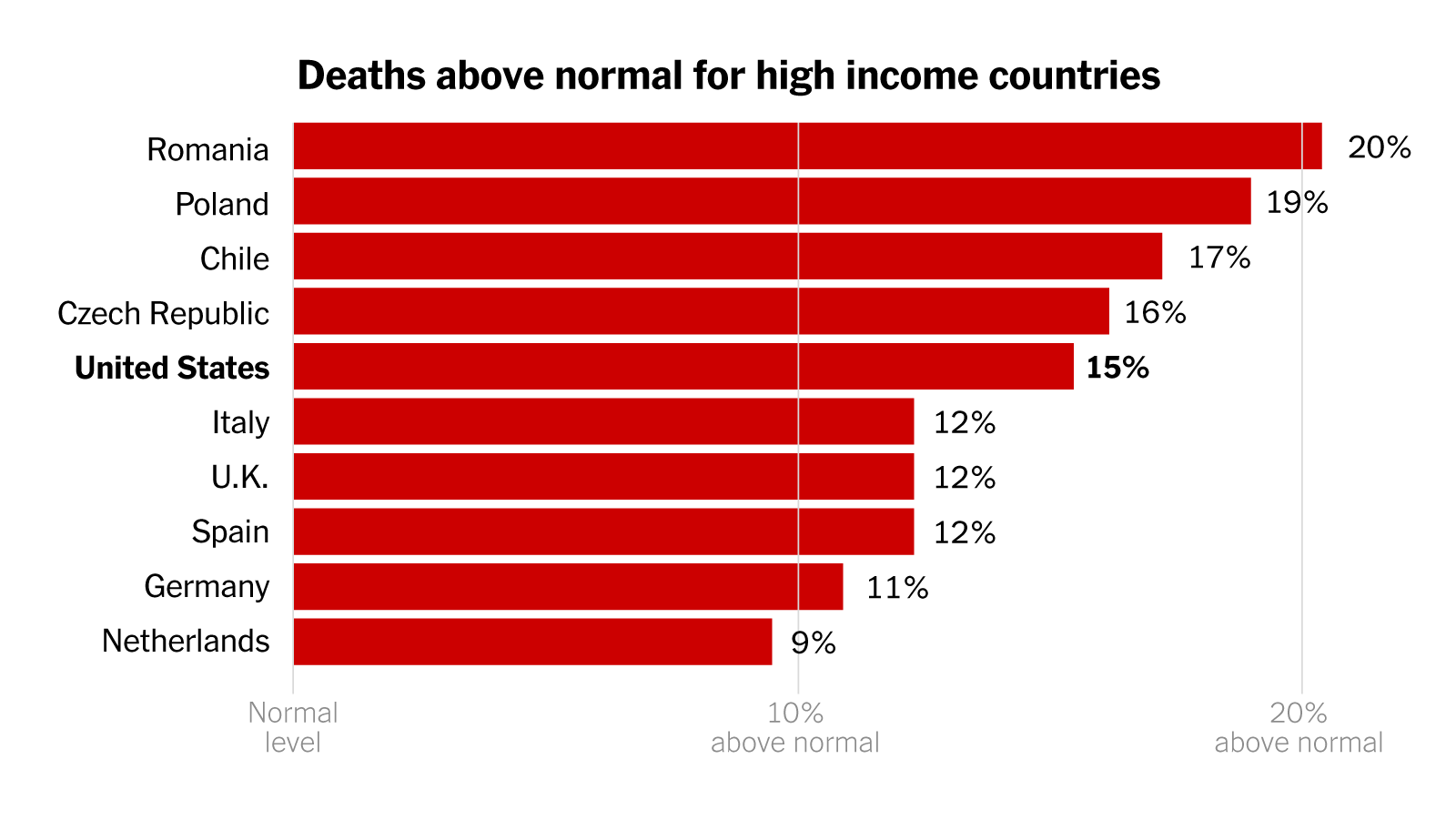
Every day, approximately 170,000 to 180,000 people pass away across the globe, according to real-time statistics from Worldometer.
This staggering figure translates to roughly 63 million deaths annually, highlighting the relentless cycle of life and death that shapes human existence.
Throughout human history, an estimated 110 billion people have ever lived. Given that the current global population is around 8 billion, this means that over 94% of all humans who have ever existed are now deceased. This massive historical death toll underscores the finite nature of human life and the ongoing demographic shifts over millennia.
The primary culprits behind these daily fatalities are ischemic heart disease and stroke, which remain the top causes globally. Other significant contributors include chronic obstructive pulmonary disease (COPD) and various respiratory infections. These health issues reflect ongoing challenges in healthcare, lifestyle, and environmental factors worldwide.
Implications for Global Health: While population growth continues due to births outpacing deaths, the persistent high mortality rates from these leading health conditions emphasize the importance of global health initiatives. Improving healthcare access, promoting healthier lifestyles, and addressing environmental risks are crucial steps toward reducing this daily human toll.

As we reflect on these stark statistics, it becomes evident that every life lost reminds us of the urgent need for continued efforts in health, research, and policy to save lives and improve quality of life worldwide.