







The Member of Parliament for Ablekuma North, Hon. Ewurabena Aubynn, has called on Government and Parliament to treat cancer not only as a health issue, but as a major developmental challenge that threatens Ghana’s economic growth, productivity and social stability.
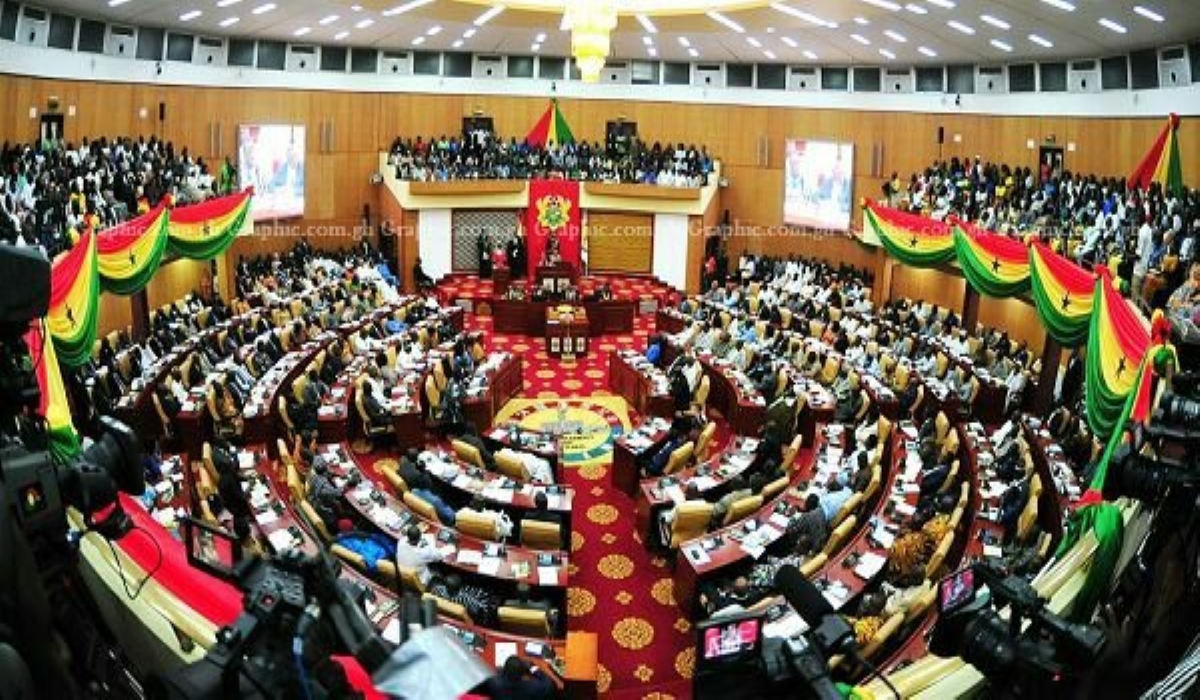
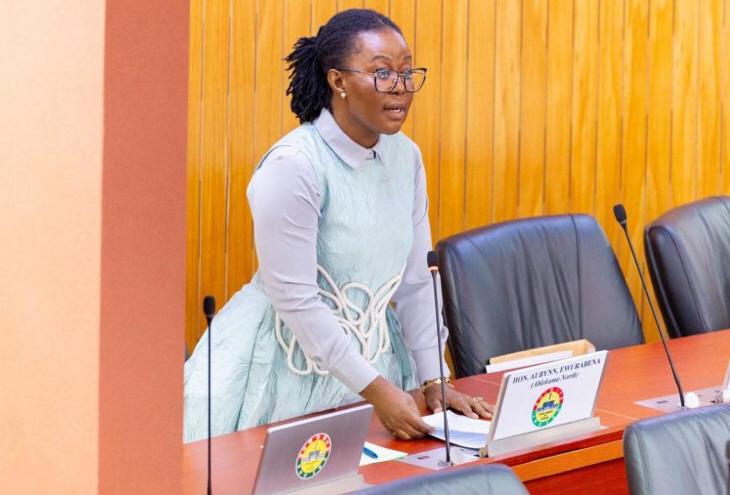
Delivering a statement on the floor of Parliament to mark World Cancer Day 2026, Hon. Aubynn warned that the increasing cancer burden in the country is having far-reaching consequences beyond the health sector, including rising poverty levels, loss of livelihoods and growing pressure on public resources.
She noted that cancer has become a common disease in Ghana, affecting people across all age groups, income levels and regions, and can no longer be regarded as rare or distant.
According to her, data from health authorities and cancer registries indicate that Ghana records more than 24,000 new cancer cases every year, with breast, cervical, prostate, liver and colorectal cancers being the most common.
Hon. Aubynn said many of these cases are diagnosed at advanced stages due to limited access to screening services, high costs and low public awareness, making treatment more difficult and less effective.
She observed that in constituencies such as Ablekuma North, an increasing number of families are struggling with the emotional and financial burden of cancer, with some households selling assets or abandoning treatment altogether because of cost.
“Cancer does not only threaten lives; it also pushes families into poverty and deepens inequality,” she stated.
The MP stressed that the economic impact of cancer includes reduced productivity, increased healthcare spending and loss of skilled human resources, all of which undermine national development.
Hon. Aubynn acknowledged efforts by the Ministry of Health and the Ghana Health Service to expand cancer screening programmes and establish oncology centres at major hospitals, including Korle Bu, Komfo Anokye and Tamale Teaching Hospitals.
However, she maintained that these efforts remain inadequate in the face of the growing cancer burden, particularly in rural and underserved regions.
She pointed to financing as the most critical challenge, noting that the cost of chemotherapy, radiotherapy, surgery and long-term care remains beyond the reach of most Ghanaians.
She further criticised the limited coverage of cancer services under the National Health Insurance Scheme, describing it as a major barrier to equitable access to care.
The Ablekuma North MP commended the government for introducing the Ghana Medical Trust Fund (MahamaCares), describing it as a timely and compassionate intervention aimed at supporting citizens with chronic and life-threatening diseases.

She said the Fund has the potential to transform cancer care in Ghana if properly resourced, transparently managed and effectively targeted at the most vulnerable.
Hon. Aubynn urged Parliament to exercise strong oversight over the Fund to ensure accountability and sustainability.
Beyond financing, she called for increased investment in prevention, noting that a significant proportion of cancers can be prevented through healthy lifestyles, vaccination and early screening.
She also advocated the decentralisation of cancer services, calling for more regional oncology centres, trained specialists and diagnostic facilities to reduce the need for long-distance travel by patients.
She described it as unacceptable that patients from regions such as Upper West, Upper East and parts of Greater Accra still have to travel to Accra or Kumasi for specialised cancer care.
In her concluding remarks, Hon. Aubynn appealed for a unified national response to the cancer challenge, involving government, Parliament, civil society, the private sector and the media.
She emphasised that treating cancer as a development issue would help integrate it into national planning, budgeting and policy priorities.
“The fight against cancer is a fight for our workforce, our families and our future. If we fail to act decisively, the cost to Ghana’s development will be far greater than the cost of investing in prevention and care today,” she said.