




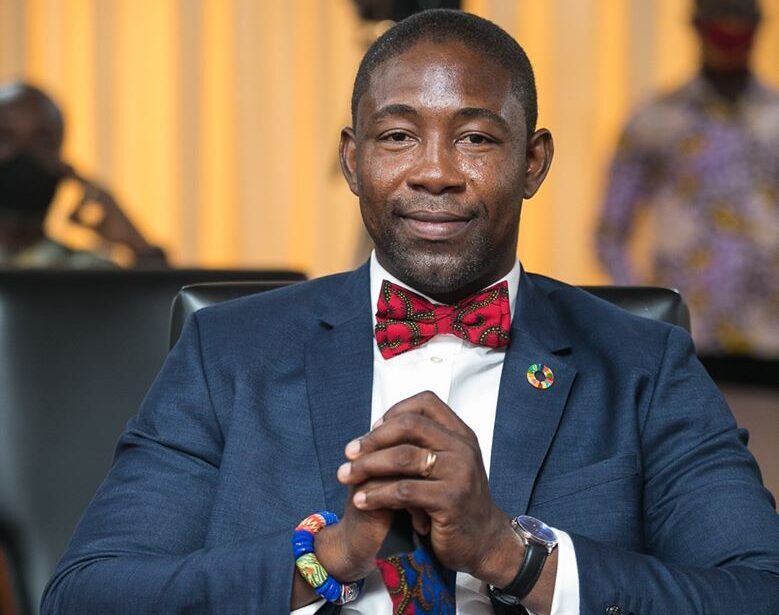
The claim by Okoe Boye that freedom of speech is under attack in Ghana is false and misleading. Freedom of speech in Ghana is protected by the 1992 Constitution, Article 21(1)(a). However, that same Constitution under Article 164 makes clear that freedom of speech and of the press are subject to laws reasonably required for public order, public morality, and national security. When the law is enforced against people who engage in reckless speech, falsehoods, or incitement, that is not a suppression of freedom but the rule of law in action.
The Abronye case is a textbook example. His reckless and unfounded allegations fell squarely under Section 208 of the Criminal and Other Offences Act, 1960 (Act 29), which criminalizes the publication of false news likely to cause fear, alarm or disturbance to the public. His arrest was lawful and justified—not an attack on free speech.
This is the kind of dirty politics the NPP engages in when in opposition. They attack state institutions, bastardize them, and seek to foment disaffection just to score political points. Their habit of crying harassment whenever they face legitimate legal or civic pushback is a well-worn tactic. The record is clear about which regime is noted for silencing free speech, for killing and for chasing journalists out of town.
Afrobarometer in its latest survey shows that more than eight in ten Ghanaians—85 %—report that during the last general election campaigns they had little or no fear of falling victim to political intimidation or violence. Fourteen percent say they feared it “somewhat” or “a lot.” This is a critical fact. If freedom of speech were truly under a serious crackdown, one would expect far higher levels of fear. The data does not support their claim.
Where is Ahmed Hussein-Suale, the investigative journalist allegedly killed because of outing corruption? Why did Anas Aremeyaw Anas go silent after relentless pressure? Why did Manasseh Azure Awuni have to flee the country at one point for his safety? Why was Oliver Barker-Vormawor arrested simply for mobilizing youth and activism? The evidence of who suffered real suppression is not in vague claims but in these incidents.
It is therefore deeply hypocritical for Mr Okoe Boye and the NPP to claim that freedom of speech is under attack today when they themselves presided over, or benefited from, a regime in which journalists were assaulted, media houses intimidated, and citizens silenced. If you are in opposition, it is your responsibility to speak honestly rather than alleging victimhood for rhetorical effect.

Ghanaians must see through the deception. Freedom of speech is alive and intact in Ghana. What is not acceptable is the abuse of that freedom to spread lies, incite violence, or insult with impunity. Mr Okoe Boye and the NPP must be held to account for their hypocrisy and must be responsible in opposition. Freedom is not lawlessness, and impunity cannot be dressed up as democracy.
By Julius Blay JABS