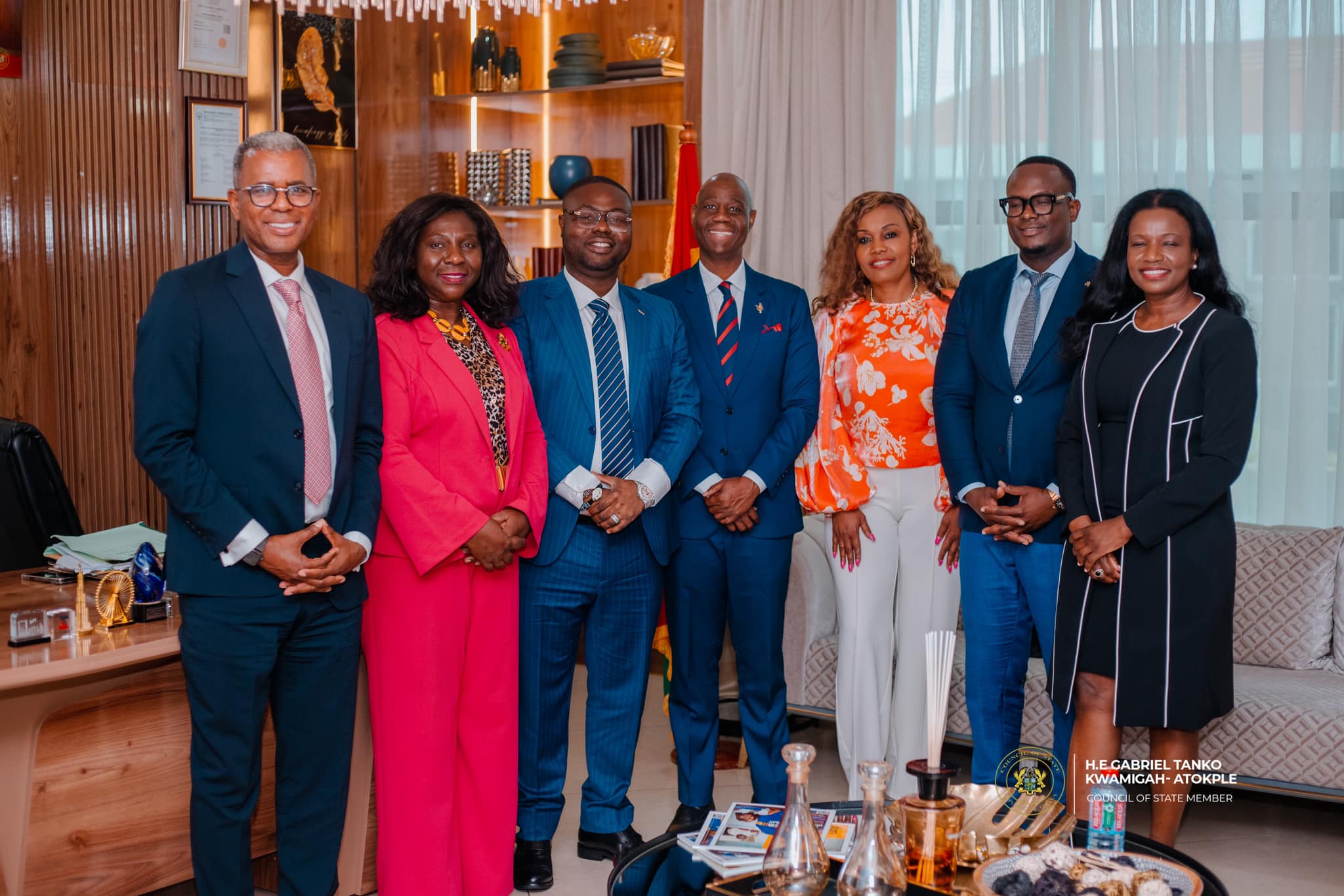









The Ghana Free Zones Authority (GFZA) has taken a significant step towards strengthening the country’s agribusiness sector by convening a high-level stakeholder meeting held on the 27th November 2025. The gathering brought together representatives from the Ministry of Food and Agriculture (MOFA), the Ministry of Trade, Agribusiness and Industry (MOTAI), the United Nations Industrial Development Organization (UNIDO), Deutsche Gesellschaft für Internationale Zusammenarbeit (GIZ) GmbH, and the Agribusiness Chamber of Ghana.
In his welcome remarks, Mr. Lateef Apau Wiredu, Deputy Chief Executive Officer (Operations) of the GFZA, emphasized the critical role agribusiness plays in Ghana’s economy. He, however, noted that some free zone Agro-processing enterprises face challenges in accessing raw materials, stressing the urgency of targeted interventions to address these gaps.
Highlighting the objectives of the meeting, Mr. Edward Adu-Ntiamoah, Director of BDR, AfCFTA, Strategic Partnerships & Agribusiness Department of the GFZA, said the session was intended to ensure that the GFZA’s agribusiness policies are fully aligned with national strategies for the sector.
During the keynote address, Dr. Amy Eshun of the Presidential Initiative on Agriculture and Agribusiness called for the integration of technology, greater inclusion of women and youth, and the adoption of innovative solutions to drive the sector forward.
Dr. Abdul Wahab Alhassan, Senior Manager of the Agribusiness Unit of the GFZA, provided an overview of the Authority’s priority agribusiness sectors and highlighted the achievements of free zone enterprises within the agribusiness value chain. Presentations were also made by partners from UNIDO, GIZ, MOFA, MOTAI, and the Agribusiness Chamber of Ghana, each underscoring the vital role their institutions play in promoting agribusiness growth.
The discussions led to a consensus that Ghana can regain its export competitiveness by leveraging data driven policymaking, improving institutional coordination, expanding the use of technology, developing agro industrial parks within special economic zones, and addressing both upstream and downstream sector challenges. Stakeholders also emphasized the importance of improving infrastructure, enforcing national standards and certifications, and establishing an Agribusiness Investment Compendium and a one stop service centre to guide investor decisions.
All participating institutions pledged technical support to the GFZA, including access to research studies, German machinery, and advisory services. MOTAI further indicated that work on the National Agribusiness Policy is ongoing, which will provide the overarching framework for government support in the sector.

In her closing remarks, Dr. Patience Agbleze Acorlor, Director of Corporate Affairs, PR & Aftercare at the GFZA, outlined the next steps, which include forming a Joint Technical Working Group, holding quarterly review meetings, and ensuring alignment between GFZA’s agribusiness policy and national frameworks.
The meeting concluded with a renewed commitment from all stakeholders to strengthen Ghana’s agribusiness sector, promote value addition, and increase the export of high-quality agro-products—key objectives at the heart of GFZA’s mandate.
By Corporate Affairs & PR Department, GFZA