








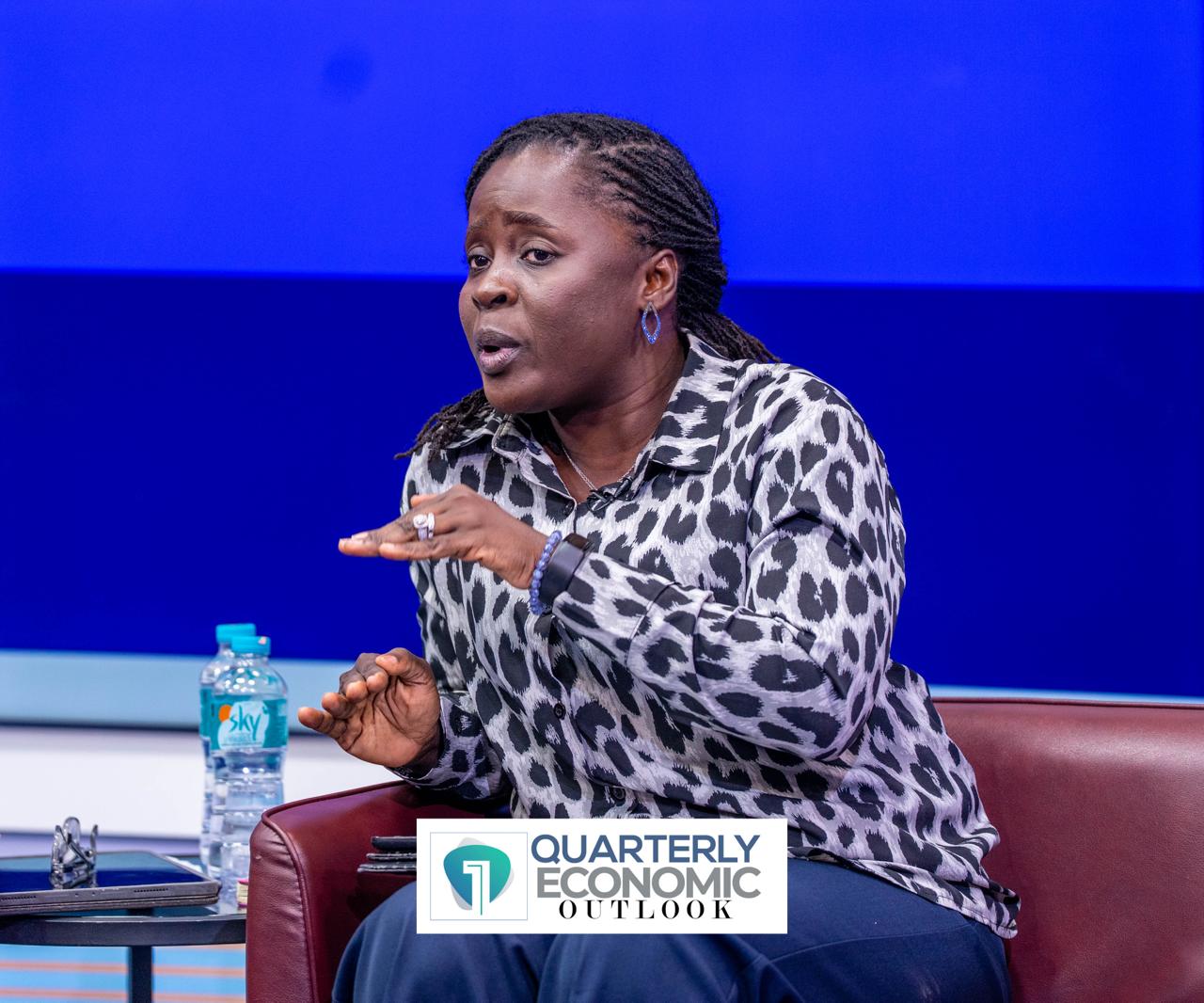
Economist and Senior Lecturer at the Department of Economics, University of Ghana, Dr. Gloria Afful-Mensah, says Ghana’s return to macroeconomic stability is increasingly being viewed as a success story with a hidden cost—one largely absorbed by the Bank of Ghana rather than the central government or households.
According to her, the country’s improving economic indicators—including easing inflation, stronger growth, and more effective policy transmission—have come at a significant but justified financial cost to the central bank.
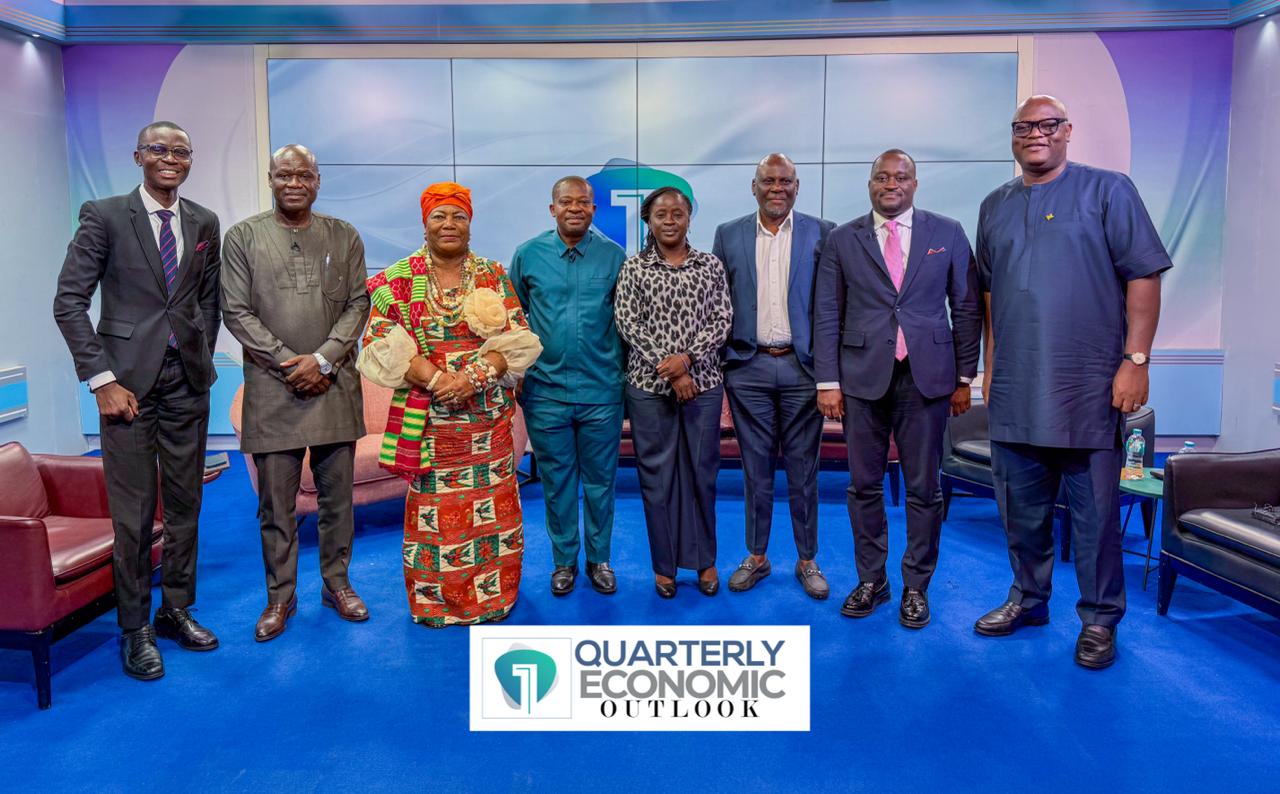
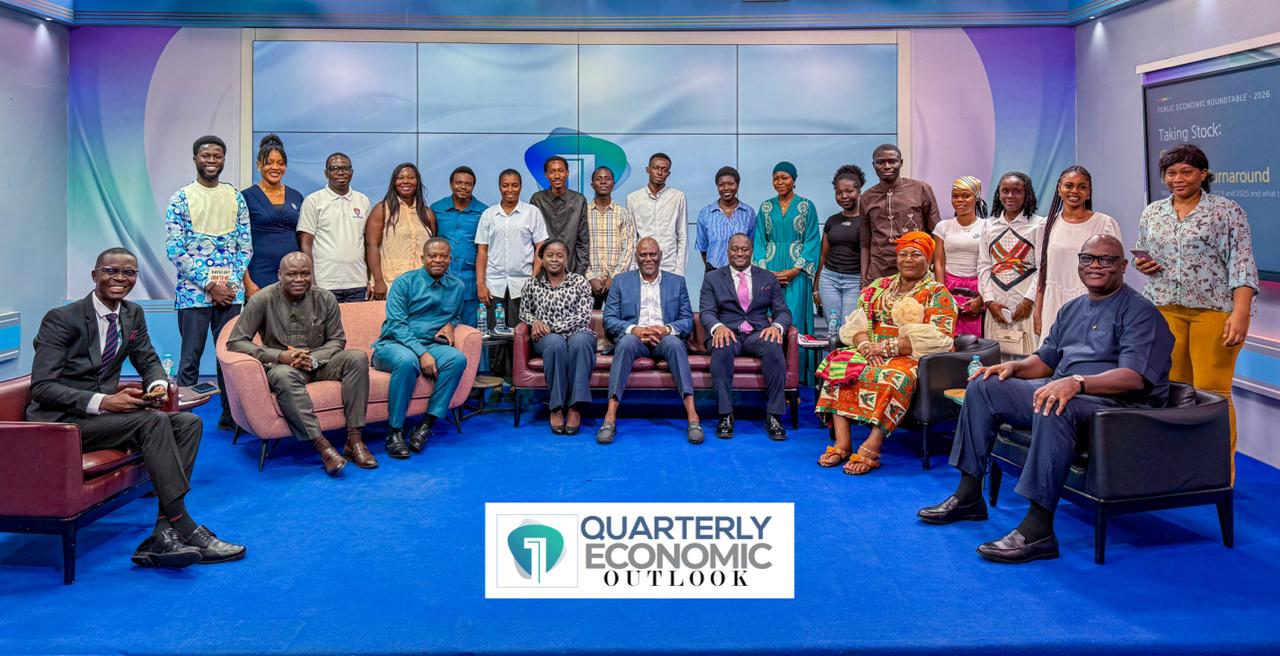
Speaking at Channel One Quarterly Economic Outlook on Monday, 27th April, 2026, Themed: Taking Stock of Ghana’s Economic Turnaround: What Changed & What Comes Next? Dr. Afful-Mensah described recent losses on the BoG’s balance sheet as “accounting losses and necessary correction losses,” emphasizing that they were essential to restoring stability after the 2022–2023 economic crisis.
Ghana’s macroeconomic recovery has been notable. Inflation has dropped sharply to about 3.2 percent, down from crisis-era levels above 50 percent in 2022, while GDP growth is projected to reach around 6.0 percent in 2025, up from 5.8 percent in 2024. Monetary policy is also gradually normalizing after a prolonged period of tightening.
However, behind these gains lies a costly adjustment process. The Bank of Ghana undertook aggressive interventions to stabilise prices, defend the cedi, rebuild foreign exchange reserves, and preserve confidence in the financial system. These measures, while effective, imposed significant financial and quasi-fiscal costs on the central bank.
A key driver of these costs has been the Bank’s liquidity mop-up operations. To control inflation, the BoG issued large volumes of its own securities at market interest rates to absorb excess liquidity in the banking system. While this helped anchor inflation expectations, it also generated recurring losses, as the Bank pays interest on these instruments without earning equivalent returns on its assets.
Dr. Afful-Mensah explained that structural rigidities in Ghana’s financial system have compounded the challenge. Commercial banks often respond more to yields on government securities than to changes in the policy rate, weakening the transmission mechanism of monetary policy.
“What we have seen historically shows that there’s rigidity in lending rates responding to policy rates,” she noted, adding that excess liquidity and profit-maximising behaviour in the banking sector further distort policy effectiveness.
The central bank also incurred costs in stabilising the currency and rebuilding reserves. Initiatives such as gold-based reserve programmes exposed the BoG to commodity price risks and trading losses, further weighing on its balance sheet. These interventions effectively shifted part of the crisis burden away from the government’s fiscal accounts and onto the central bank.

Despite concerns about the Bank’s financial position, Dr. Afful-Mensah insists these losses should not be interpreted as policy failure. Instead, they represent the opportunity cost of avoiding far worse outcomes, including hyperinflation, a disorderly currency collapse, and potential financial system instability.
By acting as a “shock absorber,” the Bank of Ghana shielded households and businesses from deeper economic hardship, even as its own balance sheet weakened.
Looking ahead, there are expectations that as liquidity conditions normalize and macroeconomic stability consolidates, the financial pressure on the central bank will gradually ease into 2026.
For now, Ghana’s recovery story highlights a critical trade-off: stability has been achieved, but at a cost—one quietly borne by the institution at the centre of the country’s monetary system.