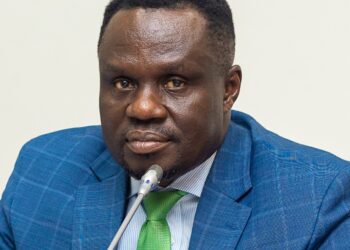







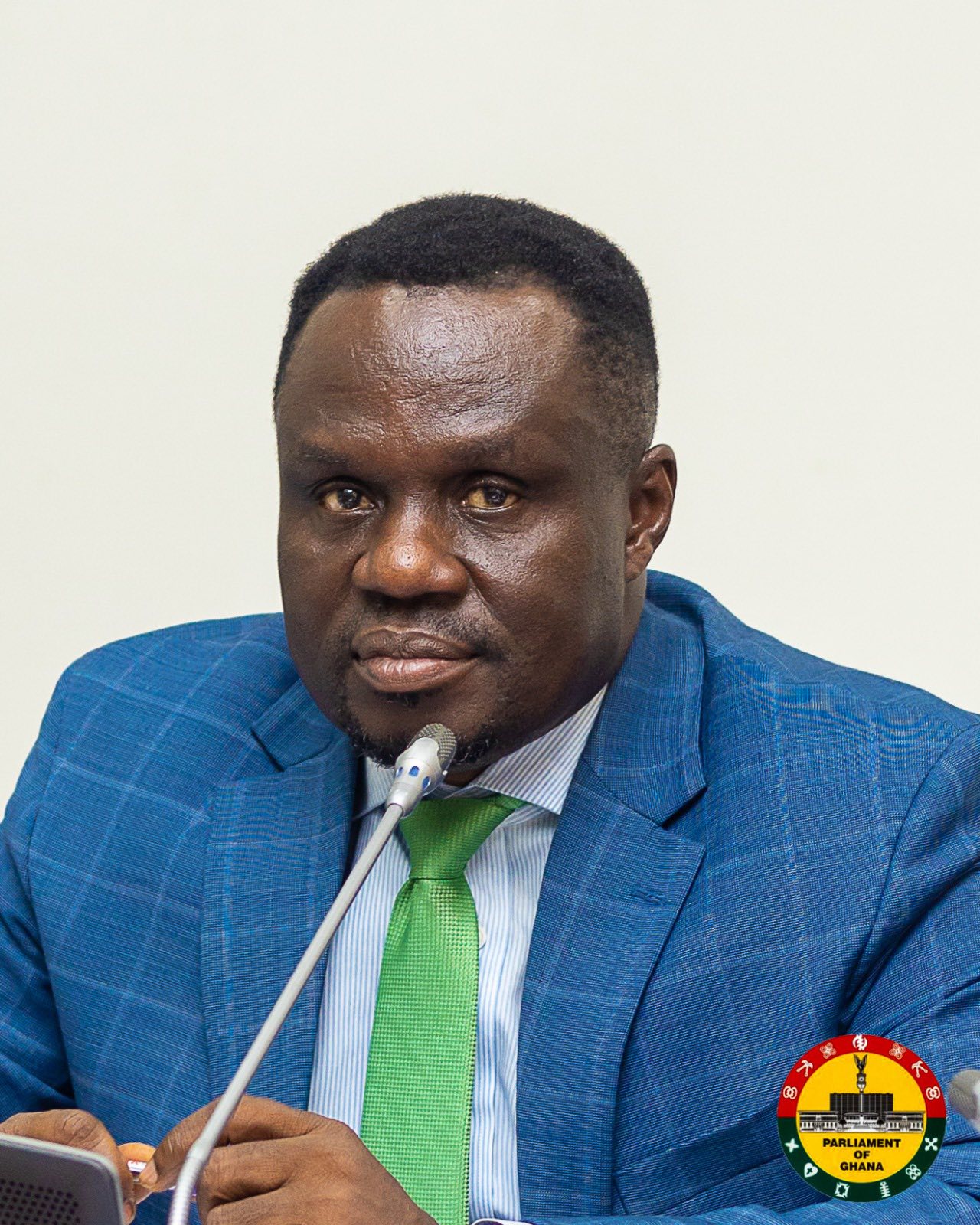
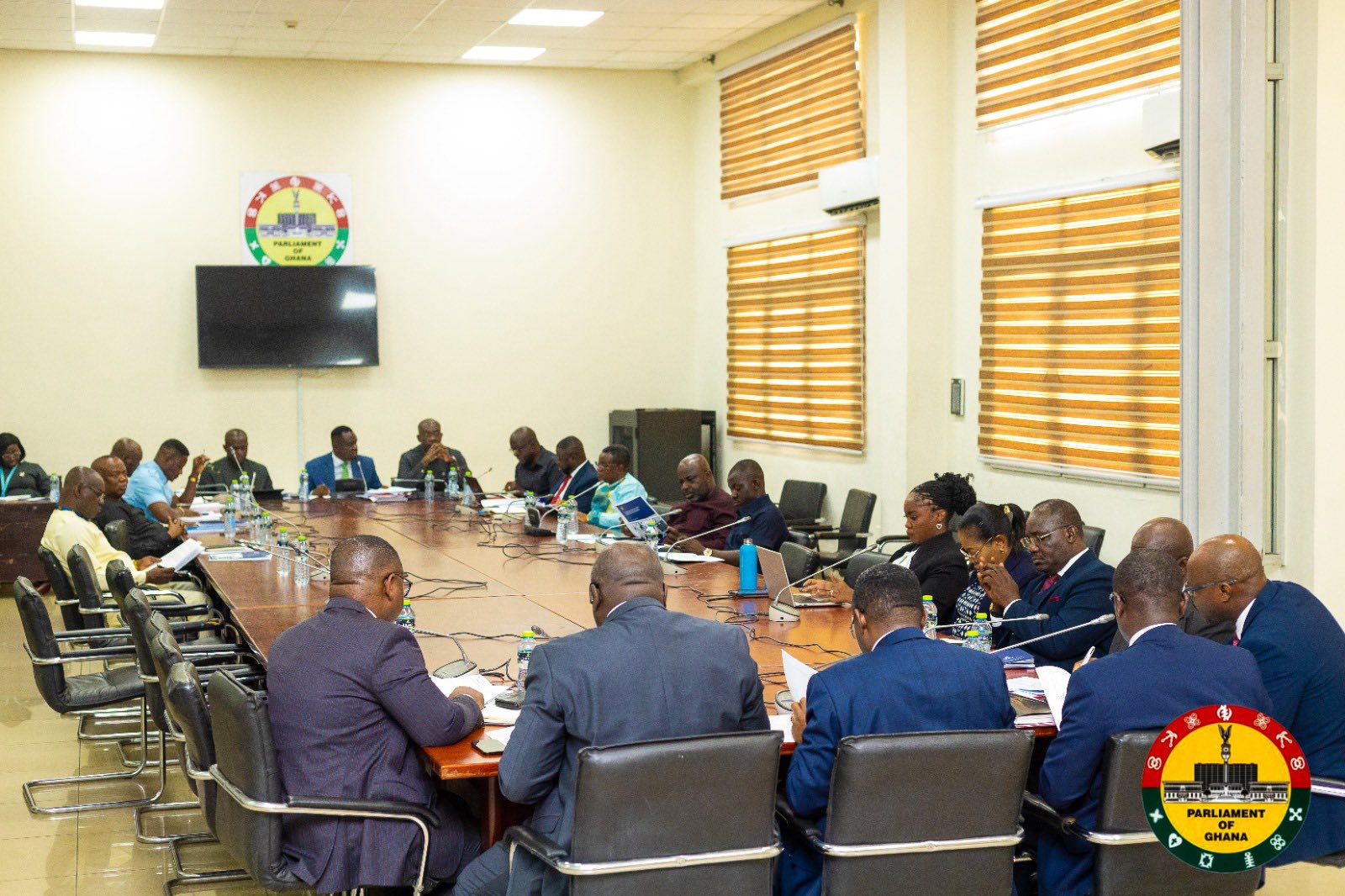
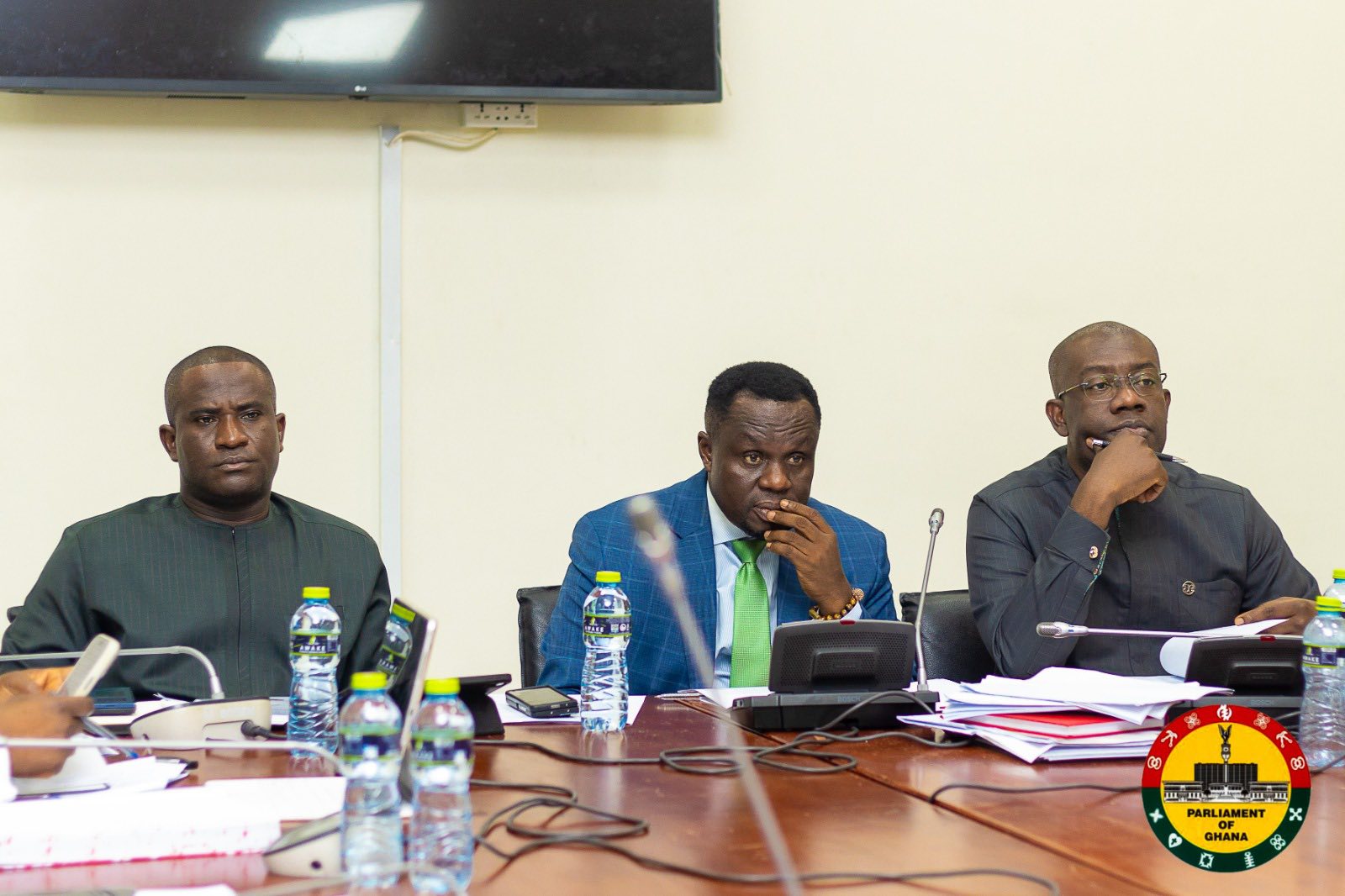
Chairman of the Parliamentary Committee on Economy and Development Dr. Eric Afful has expressed satisfaction with the open and transparent discussions the committee had management of the Central Bank, led by the Governor.
He described the engagement as an importance meeting met to strengthen engagement between the Bank and Parliament to curb misinformation and support ongoing economic reforms.
Dr. Afful further urged the Bank to maintain its proactive approach to policy and communication as Ghana continues its path toward sustainable economic recovery.
At the meeting on March 9, 2026, Bank of Ghana Governor Dr. Johnson Pandit Asiama outlined significant strides in stabilizing Ghana’s economy amid early 2025 hardships.
The Governor reported that aggressive monetary policy measures successfully reduced inflation from 23.8% in December 2024 to just 3.3% by February 2026, while the Ghanaian cedi appreciated markedly, reflecting renewed market confidence.
He further submitted that, “reserves soared to $13.8 billion, covering nearly six months of imports, and the banking sector experienced substantial growth, with total assets swelling from GHC368 billion to GHC447 billion and deposits increasing by 18%. The Bank’s strategic reserve diversification, notably increasing gold holdings from 8.7 tonnes in 2021 to over 40 tonnes, played a key role in strengthening external buffers”.

The meeting was to brief Committee members on the Bank’s 2025 Monetary Policy Report with discussions covered various economic issues, including reserve management, inflation, interest rates, and external sector risks like the Middle East unrest.
Bank of Ghana Governor’s Statement Highlights Economic Progress and Policy Actions and accordingly several policy measures including increasing the frequency and volume of OMO issuance throughout 2025, active sterilization of foreign exchange intervention inflows, and stepped-up coordination with the Ministry of Finance on government cash management.
It was revealed that the international reserves were strengthened through improved export earnings, remittance inflows, and the Domestic Gold Purchase Programme as “gold holdings increased significantly (from 8.7 tonnes in 2021 to over 40 tonnes by October 2025), representing about 42% of Gross International Reserves by October 2025.