








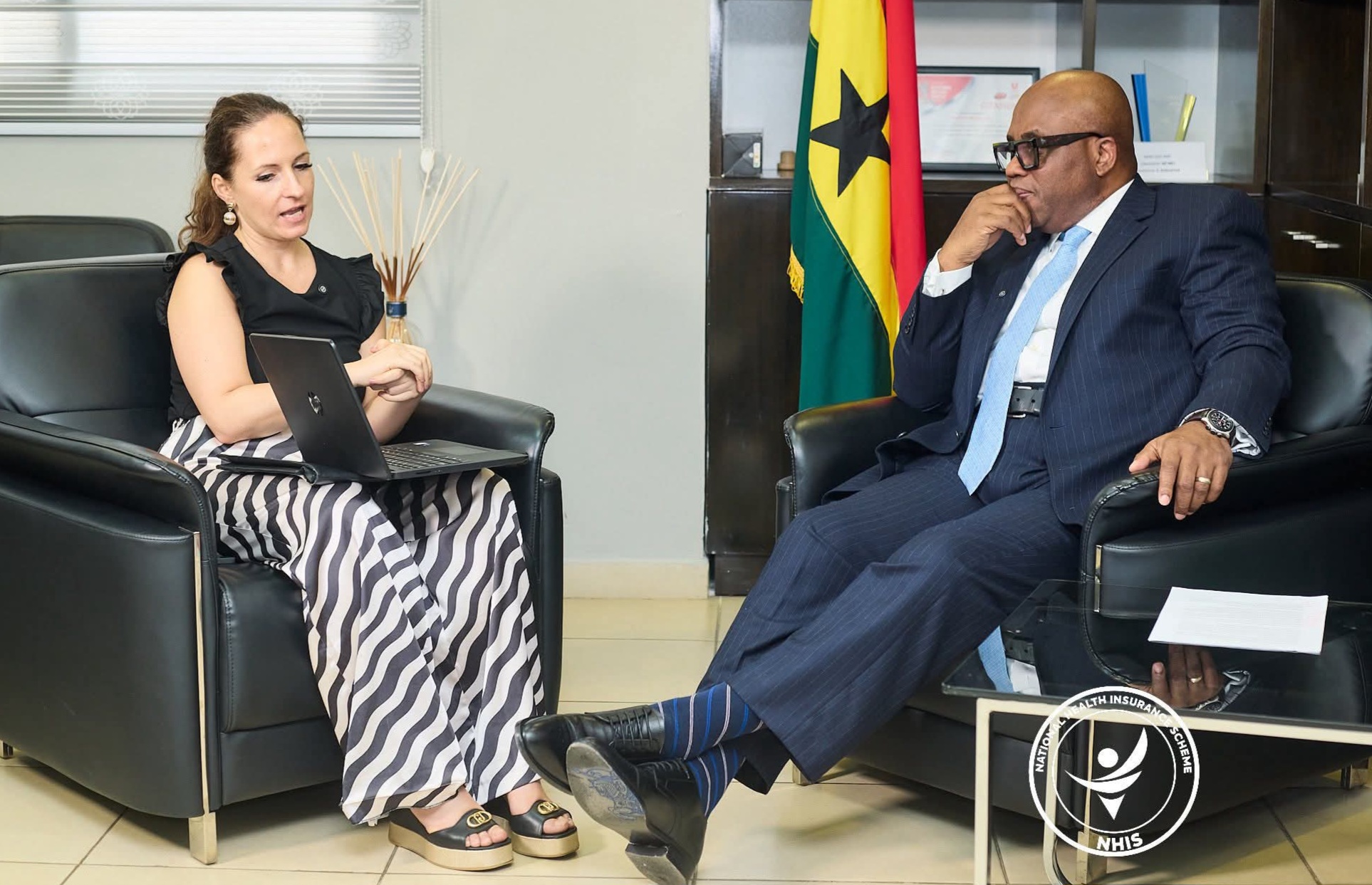
The Chief Executive of the National Health Insurance Authority (NHIA), Dr Victor Asare Bampoe, has called on investors to take advantage of the government’s 24-hour economy policy by investing in Ghana’s health sector.
According to him, a round-the-clock economy will naturally increase demand for healthcare services, pharmaceuticals, and related supplies opening significant opportunities for private sector participation.
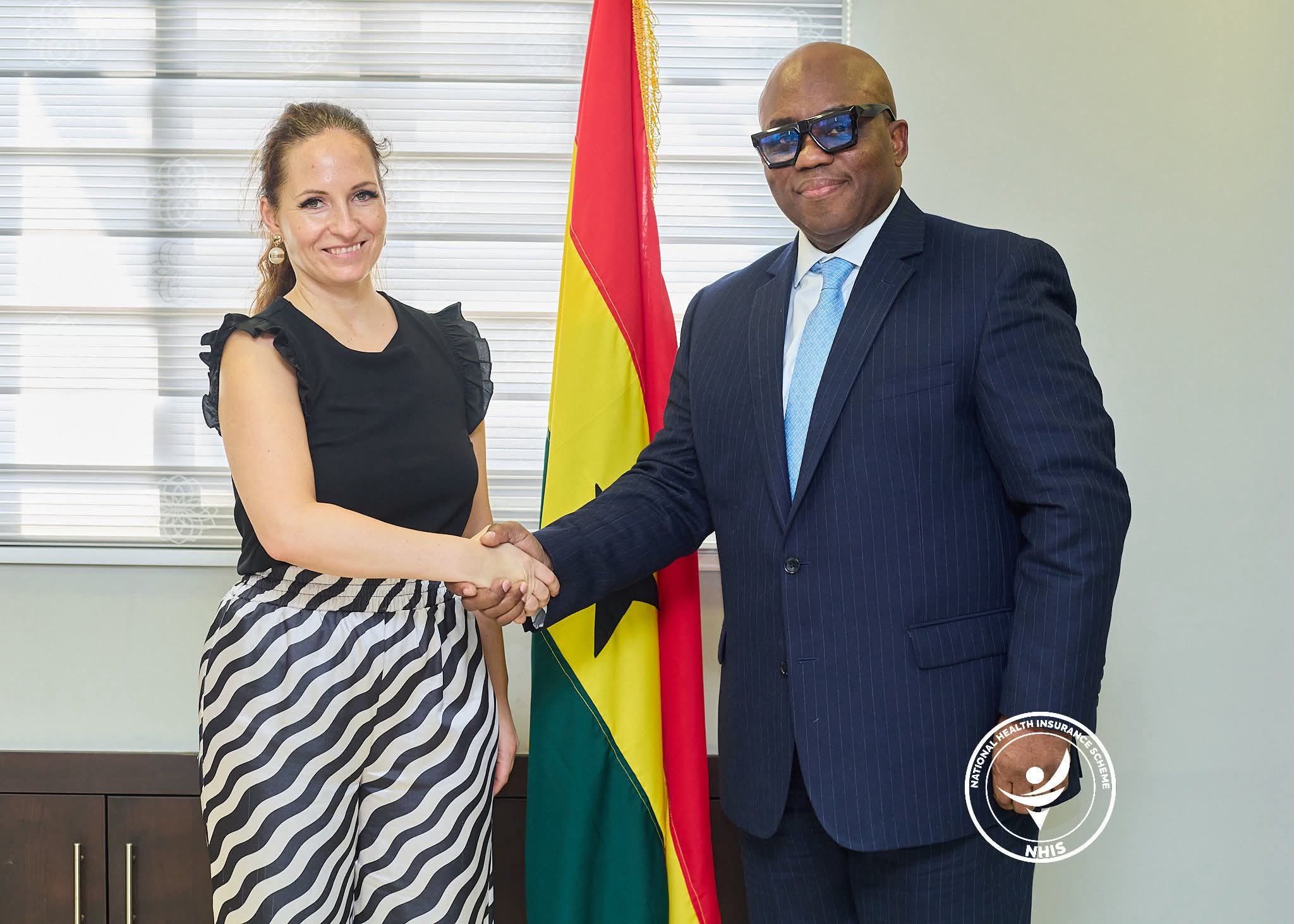
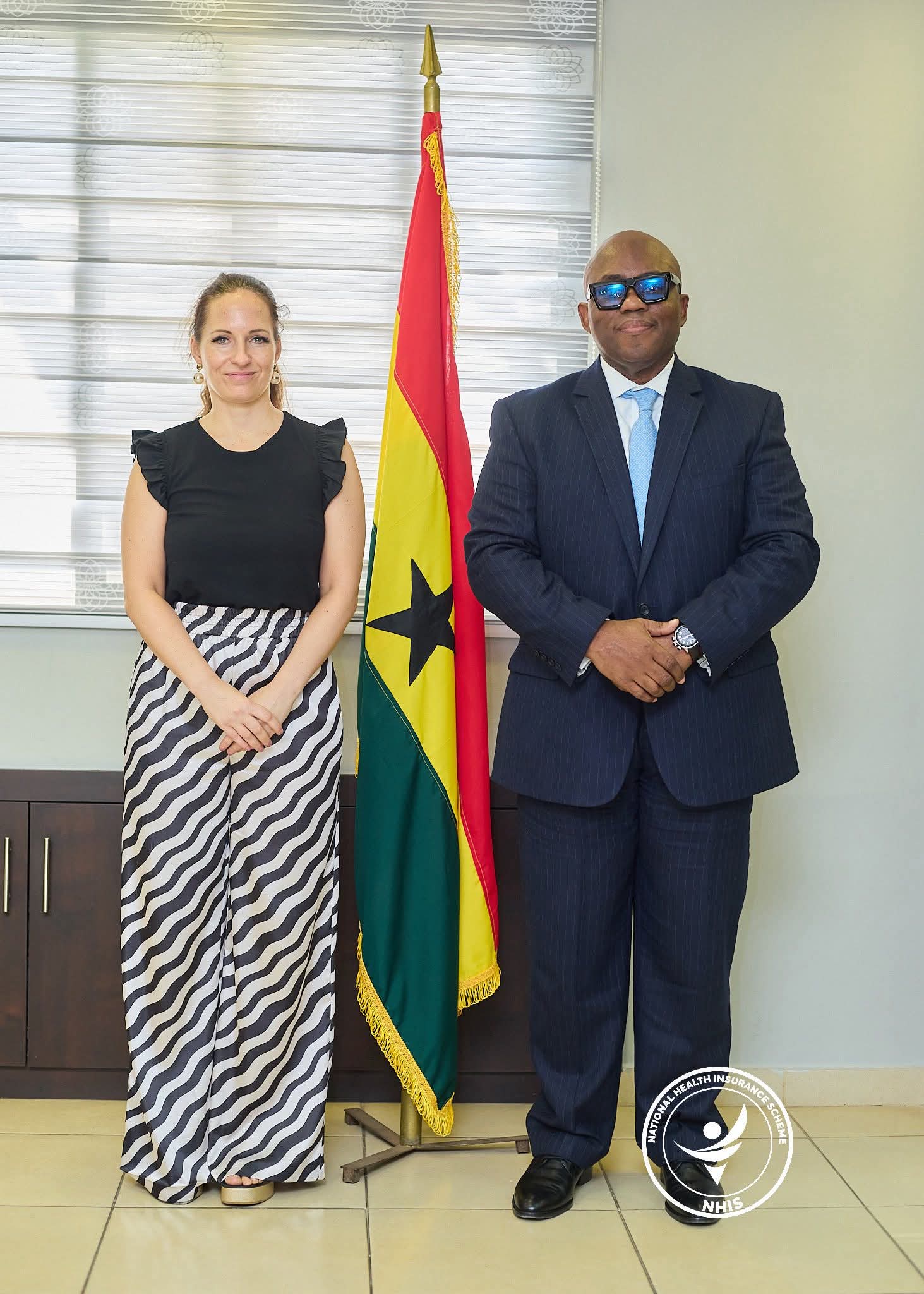
Speaking in an interview with the United Kingdom based magazine The Economist in Accra, Dr Bampoe stressed that a strong healthcare system is essential to the success of the policy, which aims to drive industrial growth, boost exports, and create jobs. He highlighted the pharmaceutical value chain as a key area where investors can play a major role.
“As we expand Free Primary Health Care and strive to make the NHIA more efficient, there is a platform for us to do many things in pharmaceuticals, in the way we do our business. This is the time for us to have the partners to come so that we can work together to give Ghanaians a better kind of healthcare,” he emphasized.
He acknowledged that while expanding access to healthcare remains a priority, the NHIS may face challenges as demand grows. However, he assured that the Authority has already put in place systems to strengthen efficiency and sustainability. These include the Biometric Membership Authentication System (BMAS) and the One Time Attendance Code (OTAC), both designed to reduce fraud, improve access, and enhance data for planning.

Dr Bampoe also revealed that the NHIA has rolled out a digital platform the Electronic Health Services Application (NeHSA), to allow remote access to healthcare services. The system, already piloted in over 500 facilities, is set for nationwide expansion, with plans to connect all government health facilities and ensure equitable access regardless of location.
He noted that these digital innovations are part of efforts to make the Scheme more efficient and financially sustainable. Within the past year, NHIS coverage has grown from 58% to 66% of the population, with over 22 million active members.
Looking ahead, Dr Bampoe expressed optimism that the upcoming Free Primary Healthcare policy will further ease the financial burden on Ghanaians and expand access to essential health services.