









The Energy Commission has certified its second cohort of Energy Audit Professionals, reinforcing Ghana’s commitment to energy efficiency and sustainability amid rising global energy pressures.
Held at the Ghana Institution of Engineering under the theme “A Greener Ghana: The Role of the Energy Audit Professional,” the ceremony brought together policymakers, industry leaders, and development partners. The newly certified professionals are expected to support efforts to reduce energy waste, lower carbon emissions, and enhance economic resilience.
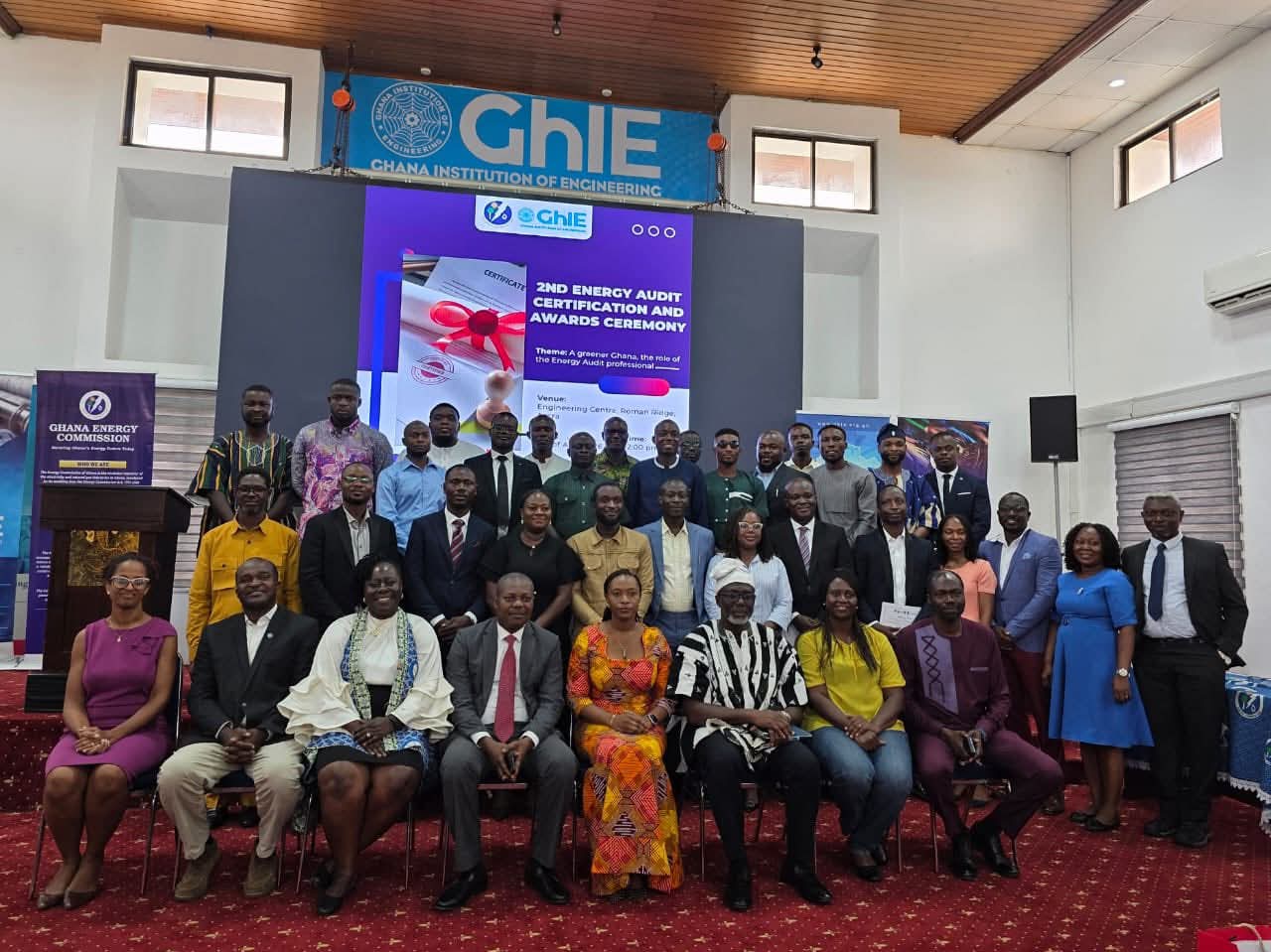
The Chairperson of the event, Ing. Kwabena Bempong, described it as not merely a graduation but a “blueprint for national transformation.” He noted that the strategic redesignation of the Ministry of Energy to the Ministry of Energy and Green Transition in January 2025 signaled a definitive shift toward climate action.
Ing. Bempong challenged the graduates to act as “detectives of inefficiency,” identifying energy leaks in factories, hotels, and government offices.
Addressing the graduates, the Commission’s Board Chair, Prof. John Gartchie Gatsi, characterized the milestone as the beginning of their contribution to Ghana’s energy transition, urging them to play an active role in advancing the country’s green agenda.
The Acting Executive Secretary, Adwoa Serwaa Bondzie, highlighted energy efficiency as the “first fuel” and the most cost-effective means of meeting rising energy demand. She encouraged the professionals to serve not only as technical experts but also as advisors and change agents in promoting conservation.
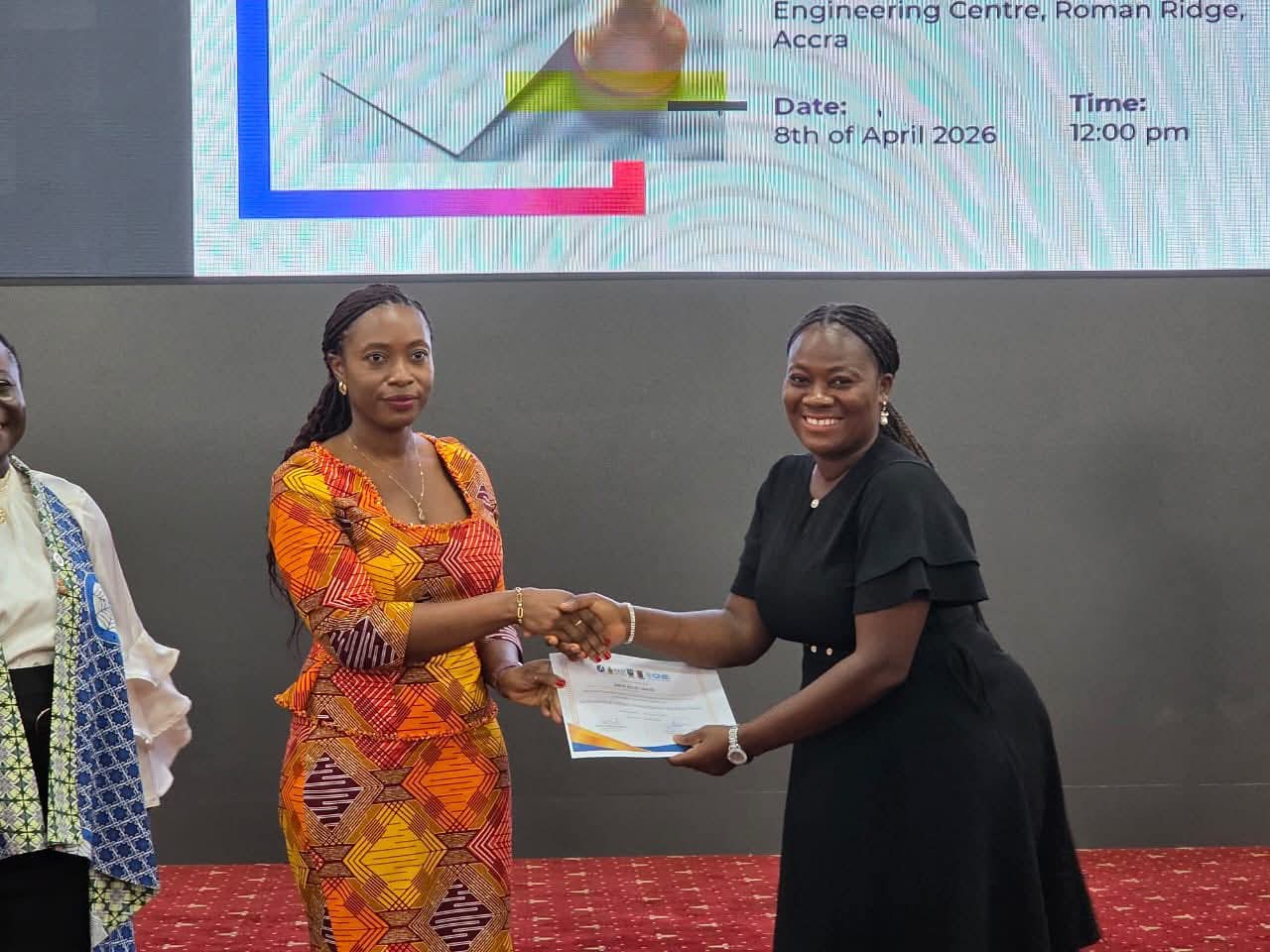
She further noted that, with the anticipated implementation of Energy Performance Certification for buildings, energy auditors will play an increasingly critical role in shaping sustainable development.

The Commission also acknowledged the support of key partners, including the Ghana Institution of Engineering, Millennium Development Authority under the Ghana Power Compact, and the Sustainable Energy Service Centres.
The newly certified professionals are expected to play a vital role in reducing electricity demand, easing pressure on the national grid, and lowering energy costs nationwide.