








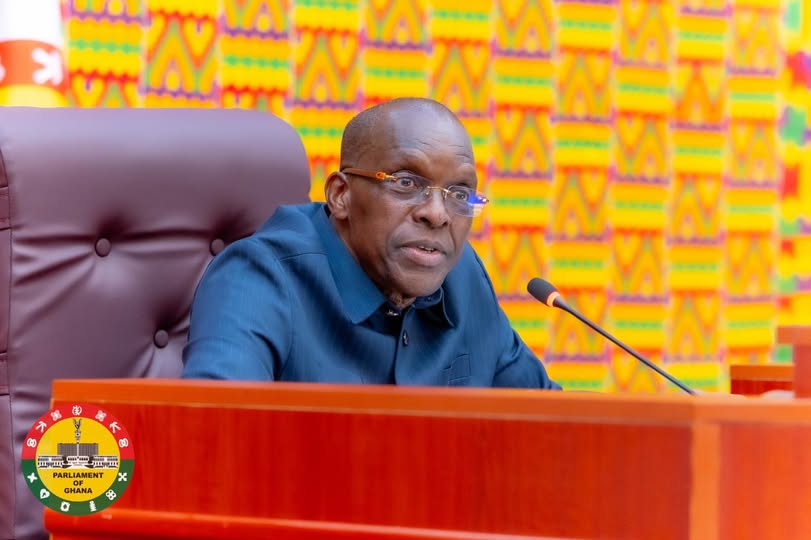
The Speaker of Parliament, Alban Sumana Kingsford Bagbin, has instructed Parliament to resume consideration of the highly contentious Human Sexual Rights and Family Values Bill, commonly known as the “Anti-LGBTQ+ Bill” or “Family Values Bill.”
The directive follows a critical legal assessment by a special parliamentary committee tasked with examining the Bill’s admissibility in the new parliamentary session. The committee concluded that the proposed legislation does not contravene Ghana’s 1992 Constitution and does not impose a charge on the Consolidated Fund—clearing two major procedural hurdles for its reintroduction.
A Bill in Limbo: A History of Controversy
This move reignites a fierce national and international debate. The Bill, a private member’s initiative spearheaded by a coalition of conservative MPs, was first passed in February 2024 by the previous Parliament (the 8th Parliament). It proposed severe penalties for LGBTQ+ identification, advocacy, and funding, alongside restrictions on gender non-conforming expression.
Despite its passage, the Bill never became law. The then-President, Nana Akufo-Addo, did not assent to it. The legislation subsequently lapsed at the end of the 8th Parliament’s term, a constitutional outcome for bills not signed into law before a session concludes.
The Path Forward
With the Speaker’s new directive, the Bill is effectively resurrected from scratch in the current 9th Parliament. It must navigate all legislative stages anew—from the first reading through committee review, potential amendments, and final passage.
Speaker Bagbin has ordered the Business Committee to schedule the Bill for consideration, signaling it will be a priority item on the parliamentary agenda. Proponents of the Bill have hailed the decision as a victory for Ghanaian sovereignty and cultural values.
Mounting Tensions and Global Scrutiny
The Bill’s return guarantees renewed scrutiny. Human rights organizations, both domestic and international, have consistently condemned it as a violation of fundamental human rights and dignity. They warn of escalating discrimination and violence against an already marginalized community.
Diplomatic and economic concerns also loom large. Key development partners and international financial institutions have previously expressed grave concerns, with some hinting at potential repercussions for Ghana’s economic stability and creditworthiness if such a law is enacted.
What to Expect Next

Parliament is now poised to re-enter a charged and divisive debate. The reconsideration process will be a major test for the new Parliament, likely attracting intense public interest, advocacy, and lobbying from all sides.
All eyes will be on the legislative process, the stance of the current Presidency, and the broader implications for Ghana’s social cohesion, human rights record, and international standing.