


The Ninth Parliament of the Fourth Republic was never destined for the mundane. It was birthed in the crucibles of a historical transition, a chamber where the arithmetic of power shifted from the arrogance of numbers to the necessity of character.
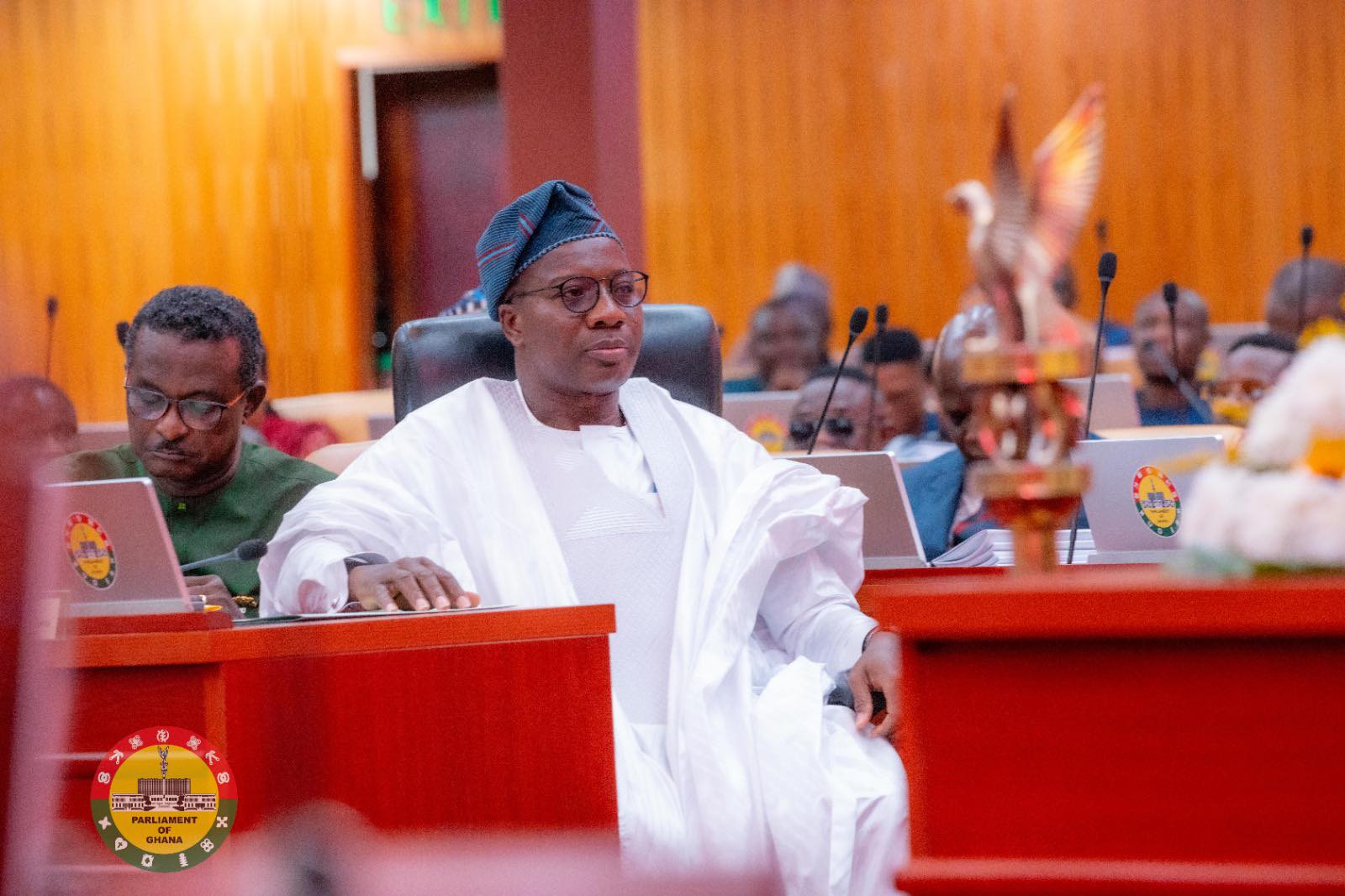
At the helm of this democratic vanguard stands a man whose legislative footprints are not merely impressions in the sand, but engravings on the very pillars of our constitutional architecture. Hon. Mahama Ayariga does not just lead a majority; he curates a conscience for a nation in search of its soul.
In the hallowed chambers where voices often drown in the cacophony of partisan convenience, Ayariga has emerged as the master of the “humanised” narrative. He understands, perhaps better than any contemporary peer, that a budget is not a collection of sterile digits, and a policy is not a mere draft of legalisms.
To him, every percentage point in a fiscal report is the heartbeat of a trader in Bawku, the hope of a teacher in Accra, and the dignity of a farmer in the hinterlands. He has successfully bridged the gap between the ivory towers of policy and the dusty reality of the Ghanaian street.
Ayariga’s performance is defined by a rare fusion of procedural mastery and moral clarity. While others may use the Standing Orders as a shield for obstruction, he wields them as a sword for accountability. His interventions are never accidental; they are calculated strikes of intellectual precision designed to protect the sovereign interest.
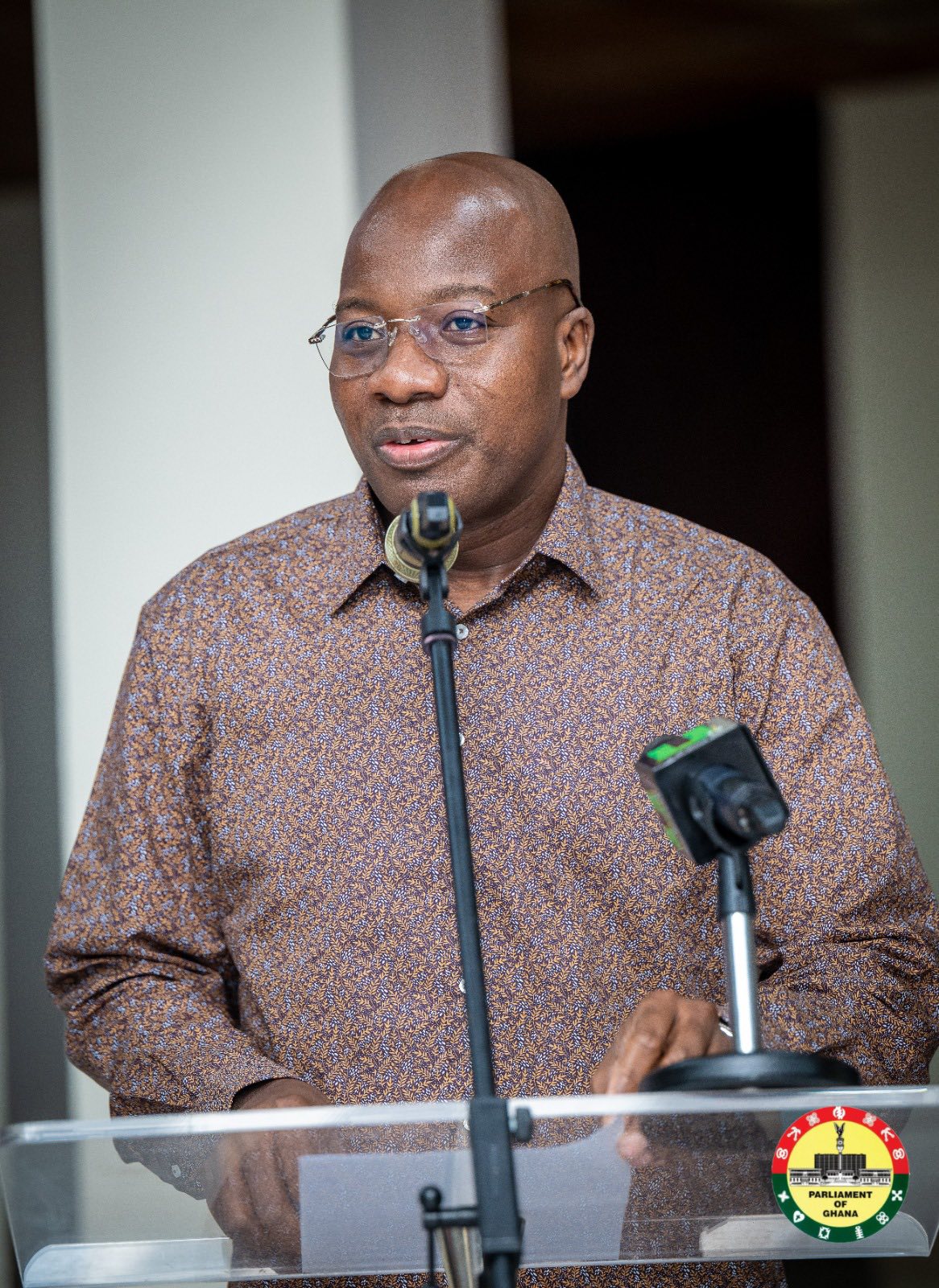
When he speaks on the national economy, he does not merely defend a government; he deconstructs a legacy of past “fiscal criminality” to pave a path for enduring “fiscal prudence.” He has become the sentinel of the state’s purse, ensuring that every cedi is accounted for and every investment is justified by its impact on the common man.
His tenure has been a masterclass in the art of the parliamentary pivot. He has successfully moved the conversation from the abstract “macro” to the tangible “micro.” In his worldview, the success of the state is not measured by the depth of its vaults, but by the strength of the bridges it builds between the governor and the governed.
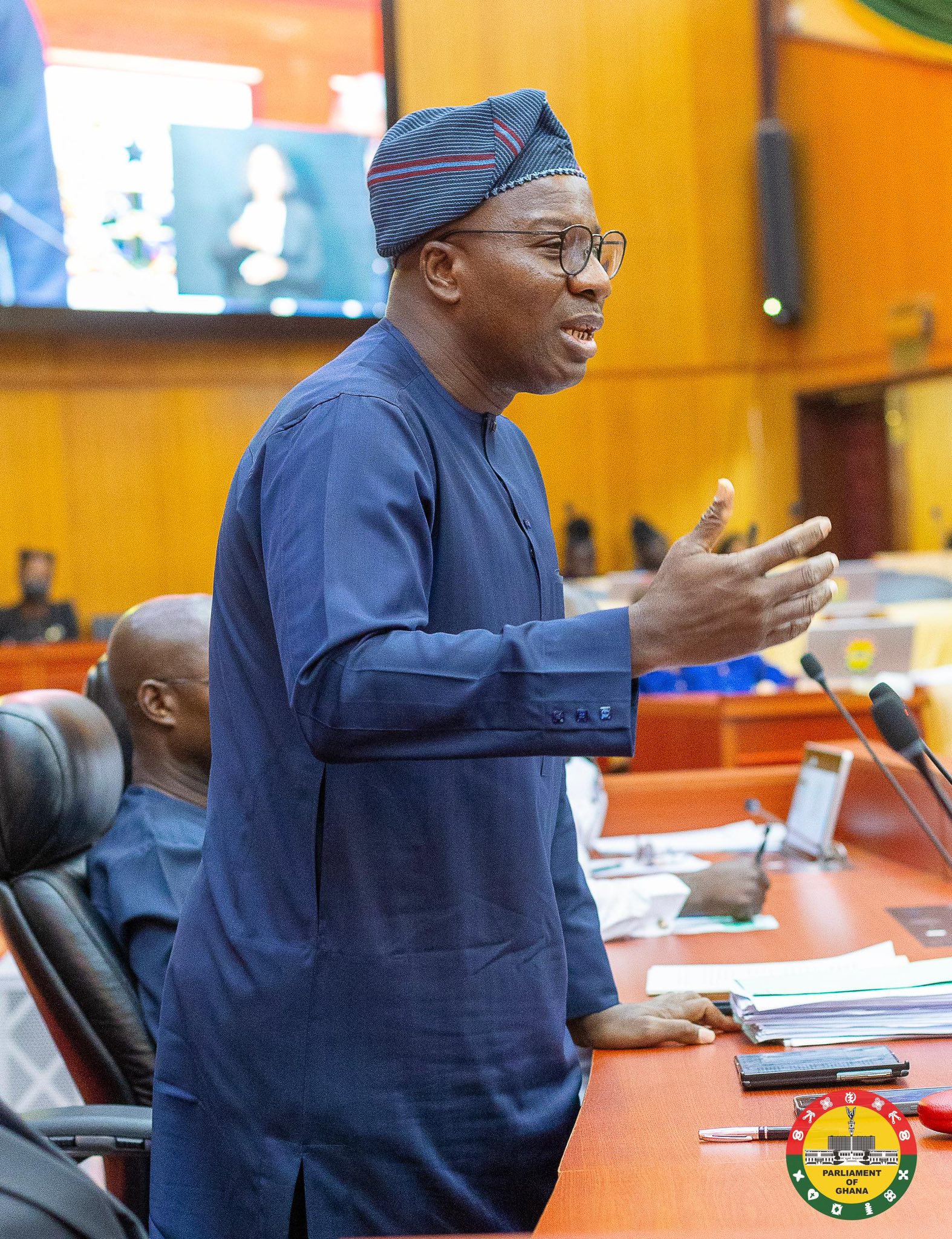
He has turned the Majority office into a laboratory of strategic communication. Here, governance is translated into the language of the dinner table, making the complex machinery of state accessible to those it is meant to serve.
Public perception is often a fickle mirror, yet for the Majority Leader, it reflects a profile of “The Statesman Advocate.” To the observer, he is the articulate guardian of the administration’s soul. Even his harshest critics cannot deny the sheer force of his presence or the weight of his arguments.
They may disagree with his stance, but they must reckon with his substance. He has brought a “constitutional clarity” to the floor that reminds us all that Parliament is not a theatre of the absurd, but the sanctuary of the sovereign will.
In his hands, the Committee on Independent Constitutional Bodies has ceased to be a dormant oversight unit. It has become a vibrant watchdog, ensuring that the institutions of state remain subservient to the aspirations of the people.
To the Ghanaian in the street, Ayariga represents a rare breed of politician: one who possesses the intellectual stamina to debate law, yet retains the emotional intelligence to feel the pulse of the people. He is perceived not just as a leader of a party, but as a defender of the Republic’s promise.
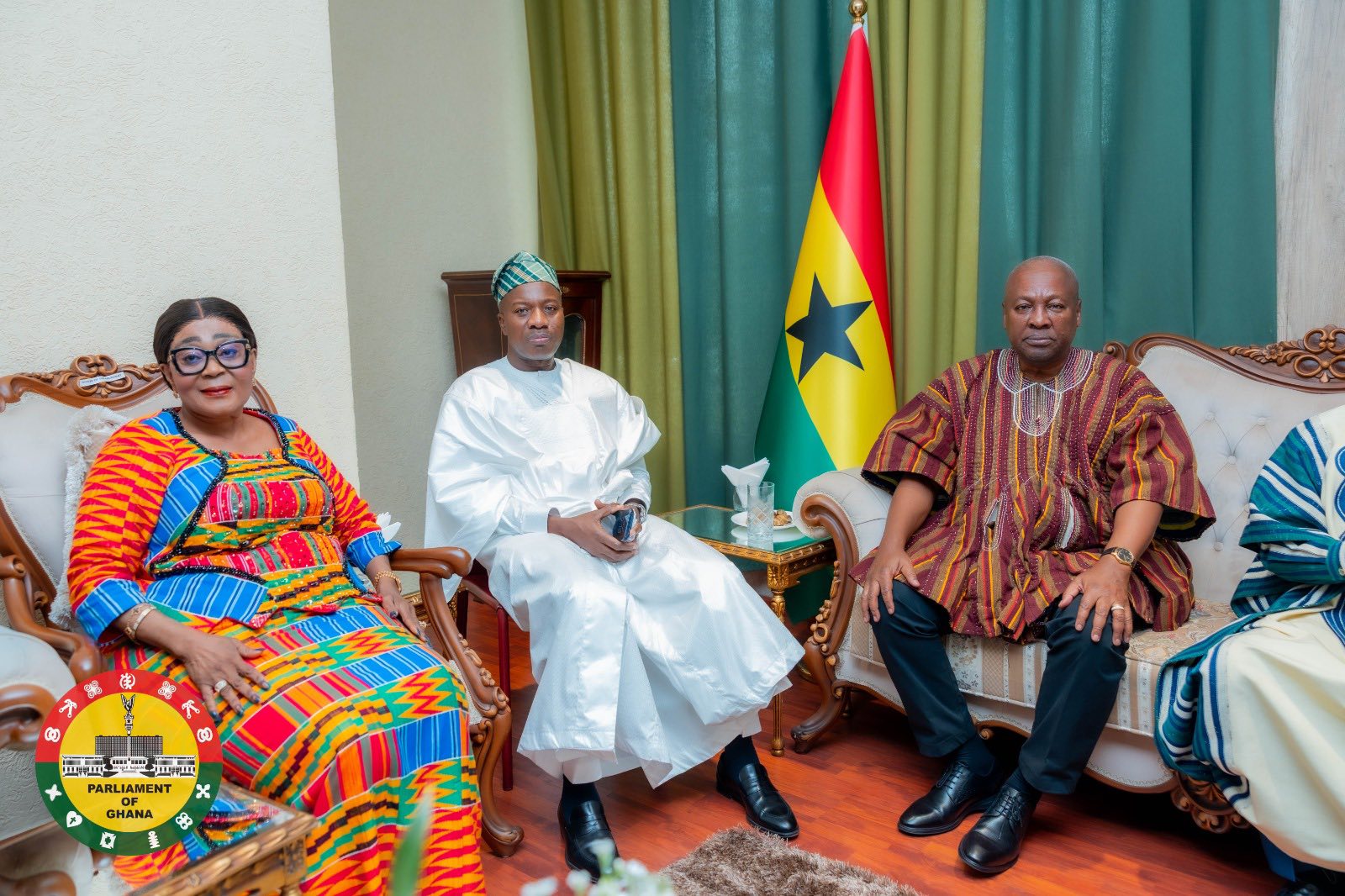

There is a profound symbolism in how Ayariga navigates the storms of the House. He is the calm eye in the middle of a political hurricane. He operates with the understanding that power is a lease, not a title deed, and that the landlord is the Ghanaian voter.
His leadership suggests a deep-seated belief that the currency of leadership is trust, and the dividends are found in the upliftment of the vulnerable. He has proven that one can be both a fierce advocate for a cause and a dedicated servant of the national interest.
He is not merely leading a caucus; he is mentoring a generation of legislators to see beyond the next election. By creating a “conducive and friendly” environment within the legislative halls, he is ensuring that the Ninth Parliament is remembered for its fruitfulness rather than its friction.
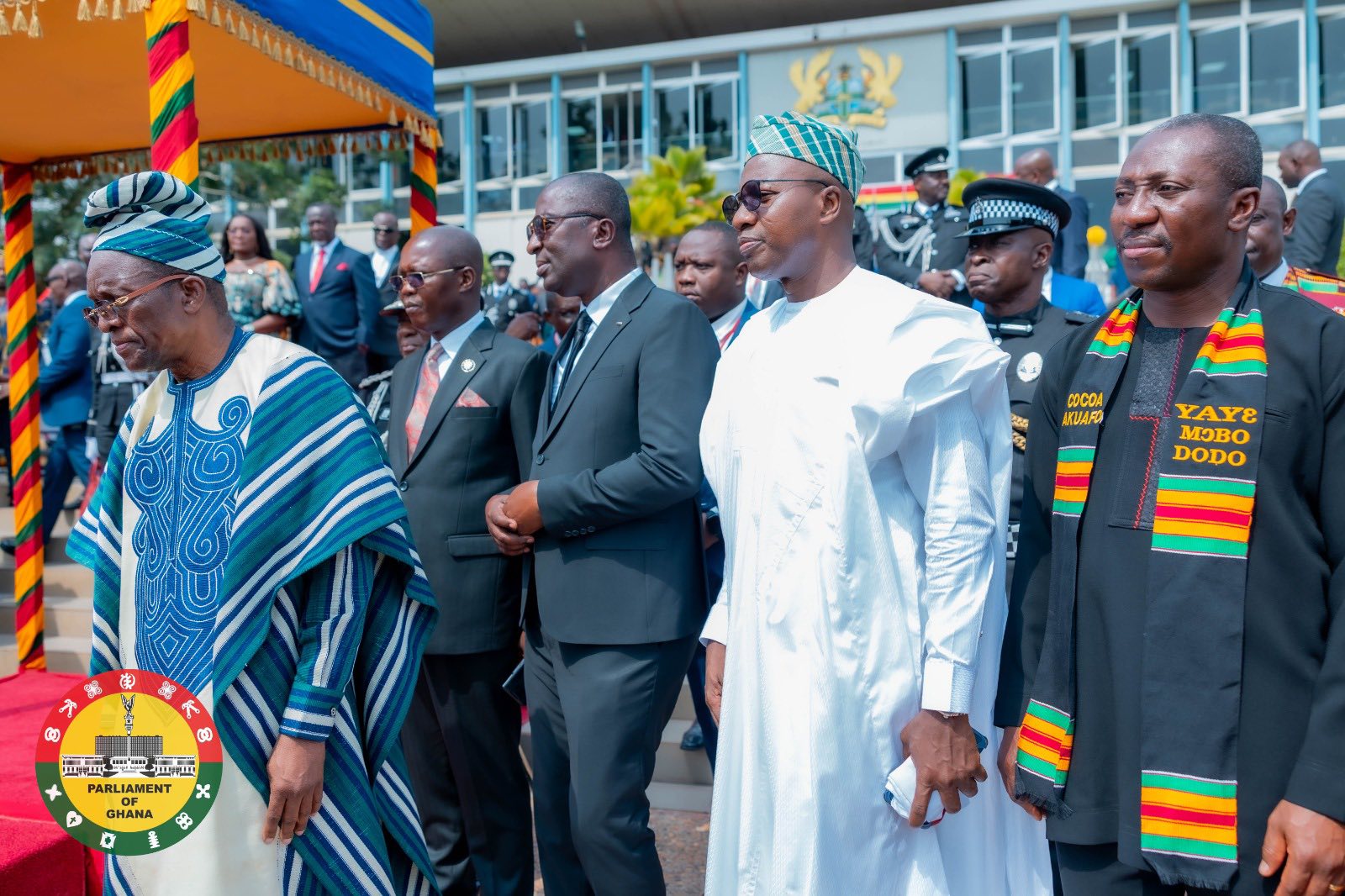
As we look toward the horizon of our national development, the silhouette of Mahama Ayariga stands tall. He is the bridge between the old guard of experienced governance and the new era of radical accountability.
He remains a man who understands that the ultimate reward of leadership is not found in the applause of the present, but in the prosperity of the future. Hon. Mahama Ayariga is the architect of a new legislative standard, a man whose work ensures that the voice of the people is the foundation upon which the Republic stands.
In the final analysis, his legacy will not be written in the Hansard alone, but in the improved lives of the millions who find hope in his advocacy and strength in his leadership.
By Raymond Ablorh