








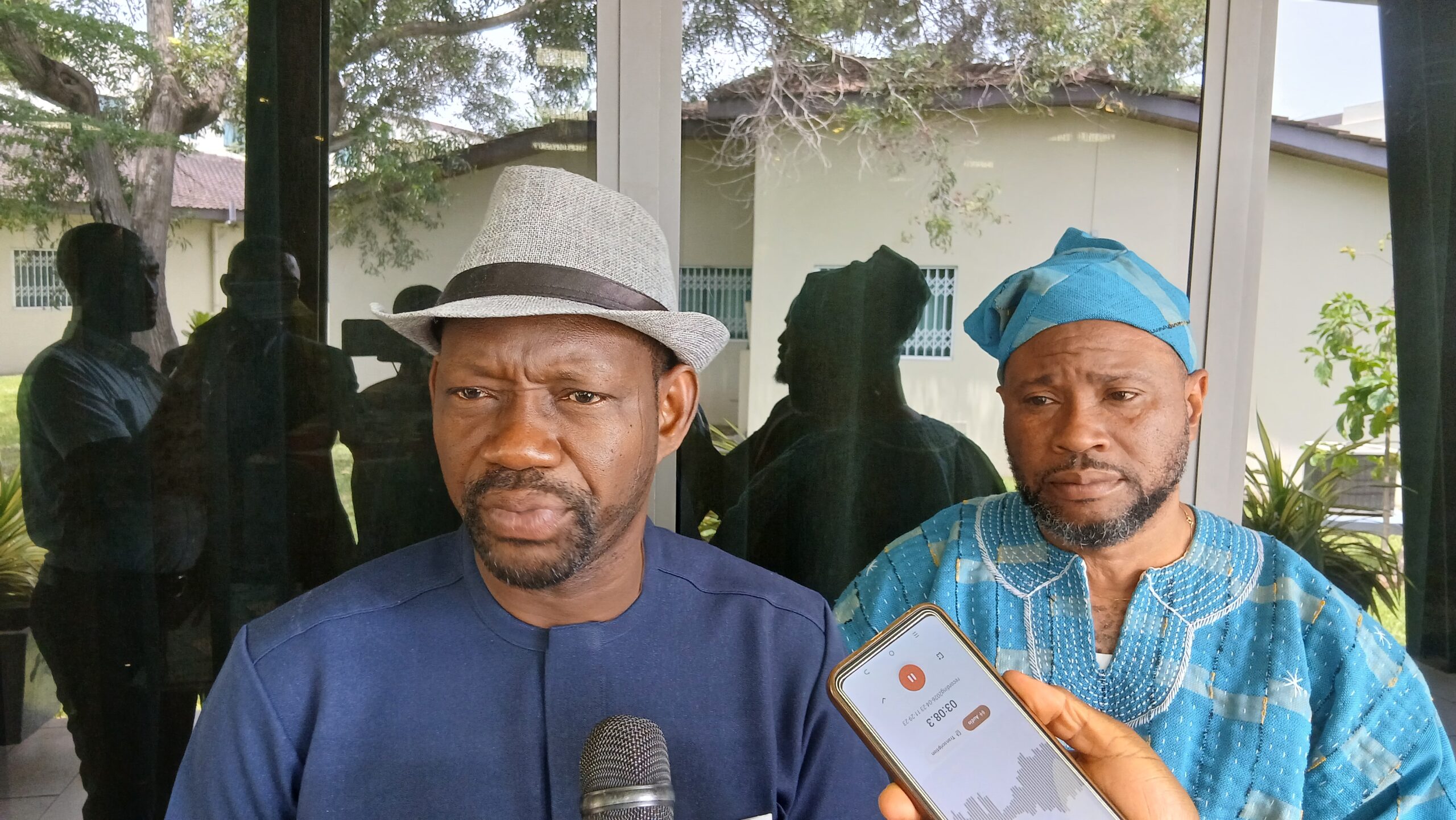
Parliament is set to revive deliberations on the Human Sexual Rights and Family Values Bill, 2025 as the Committee on Constitutional, Legal and Parliamentary Affairs begins a two-day public hearing on 23rd April’, 2026 in Accra.
The committee meeting, scheduled for *Thursday, 23rd April, and Friday, 24th April, 2026*, starts at *9:00 a.m. each day* and will focus on consideration of the 2025 bill.
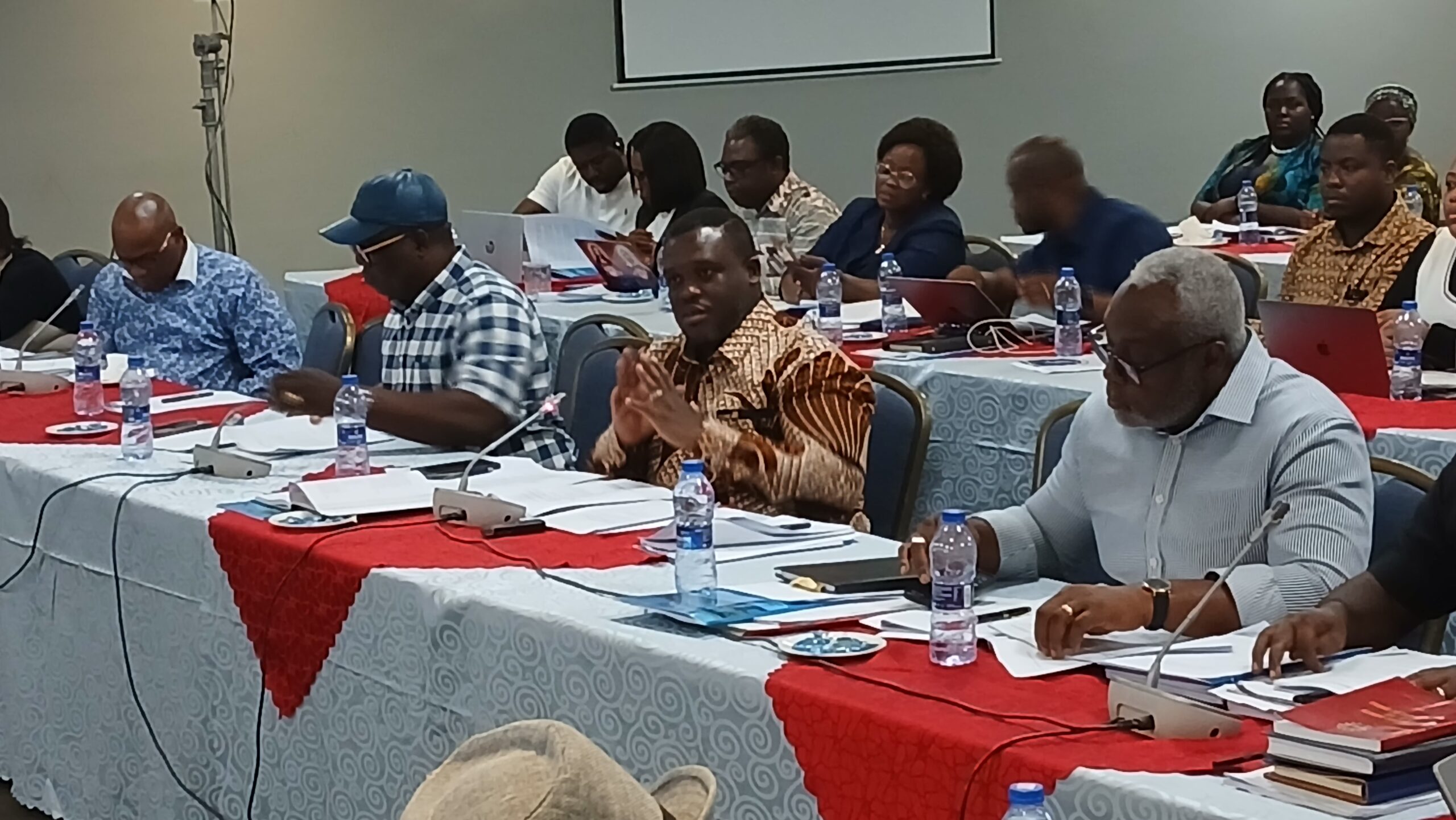
The public hearing marks the committee’s formal review of the provisions of the Human Sexual Rights and Family Values Bill, 2025.
The Committee on Constitutional, Legal and Parliamentary Affairs led bynit Chairman Shaibu Mahama is expected to take submissions and deliberate on the bill over the two-day sitting.
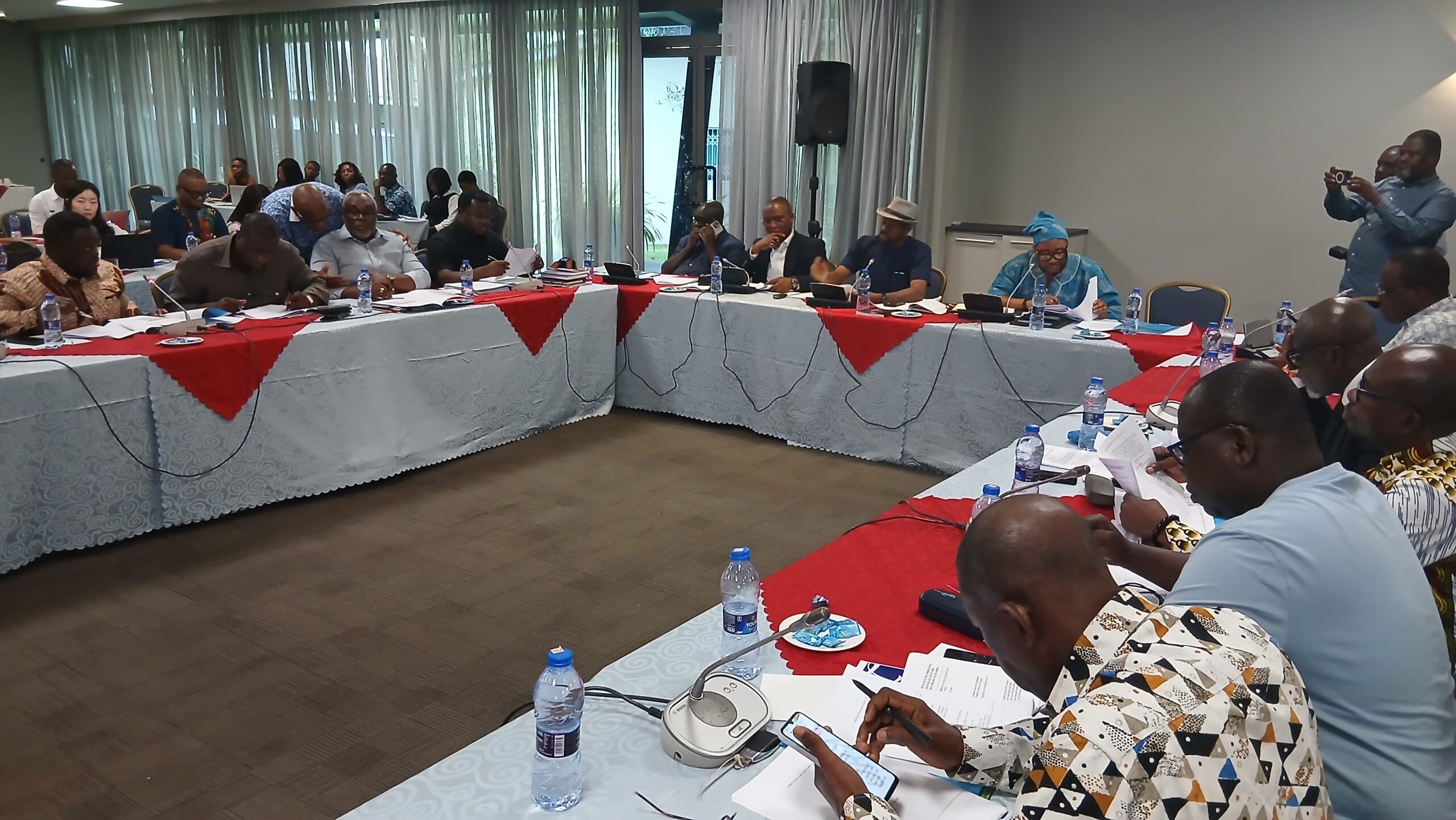
The bill, which seeks to legislate on issues relating to LGBTQ+ activities, has been a subject of national and international attention since it was first introduced in Parliament.
Ongoing hearing in Accra begins the committee stage of the legislative process, where stakeholders are expected to present views on the bill before it advances further in Parliament.

Background
The Human Sexual Rights and Family Values Bill was first introduced in Parliament in 2021 as a private member’s bill sponsored by eight MPs.
It seeks to criminalize LGBTQ+ activities, advocacy, and funding, while promoting what sponsors call “Ghanaian family values.”
The bill drew extensive national debate and international attention, with human rights groups raising concerns over discrimination, while supporters cited cultural and religious grounds.
It went through first reading and was referred to the Committee on Constitutional, Legal and Parliamentary Affairs, but lapsed with the end of the 8th Parliament in January 2025 without completing all stages.
The current 2025 version was re-laid in the 9th Parliament, restarting the legislative process.
What happens next
After the public hearing, the Committee will prepare a report with recommendations for Parliament.
The bill will then go through a second reading for debate on its principles. If approved, it moves to the consideration stage where clauses are examined in detail, followed by a third reading and vote.
If passed by Parliament, it goes to the President for assent to become law.