


Hypertension, commonly known as high blood pressure,
is one of the leading causes of death and illness
worldwide.
It is often referred to as the “silent killer”
because many people live with the condition for years without knowing they have it.
Despite the absence of
obvious symptoms, hypertension can quietly damage the heart, brain, kidneys, and blood vessels, leading to
serious health complications if not properly managed.
Blood pressure is the force with which blood flows
through the arteries.
A normal blood pressure reading is usually around 120/80 mmHg.
Hypertension occurs when the pressure remains consistently high, usually 140/90 mmHg or above.
Several factors contribute to the
development of hypertension, including unhealthy diet, excessive salt intake, obesity, lack of
physical activity, smoking, alcohol consumption, stress, aging, and family history.
Although many people with hypertension may not experience symptoms, some may complain of
headaches, dizziness, blurred vision, chest pain, fatigue, or shortness of breath.
Unfortunately,
these signs often appear only after significant damage has already occurred.
This is why regular blood pressure checks are very important, especially for adults and individuals with risk factors.
Uncontrolled hypertension can lead to severe complications such as stroke, heart attack, heart failure, kidney disease, and vision problems.
It places extra strain on the heart and blood vessels,
increasing the risk of life-threatening conditions.
In many developing countries, hypertension
has become a growing public health concern due to poor lifestyle habits and limited awareness
about preventive healthcare.
The good news is that hypertension can be prevented and controlled through healthy lifestyle
choices.

Eating balanced meals rich in fruits and vegetables, reducing salt intake, exercising
regularly, maintaining a healthy weight, avoiding smoking and excessive alcohol consumption,
and managing stress are effective ways to lower blood pressure.
Individuals diagnosed with
hypertension should also take their medications as prescribed and attend regular medical
checkups.
In conclusion, as the world observes World Hypertension Day, there is a greater need for Continuous
Health Education, public awareness campaigns, and regular community screening programs to help
people understand the dangers of hypertension and the importance of early detection.
Many lives can be saved when individuals are educated on healthy lifestyles and encouraged to monitor their blood pressure
regularly.
Governments, health institutions, organizations, and communities must work together to
promote preventive healthcare and ensure that quality health information and screening services reach
every individual.
Together, we can reduce the burden of hypertension and build a healthier society.
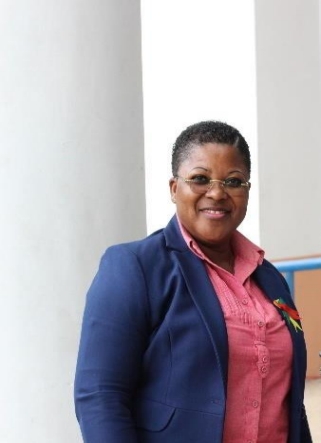
Written by Dr Mrs. Catherine Deynu (Former National Deputy Women’s Organizer, NDC)