




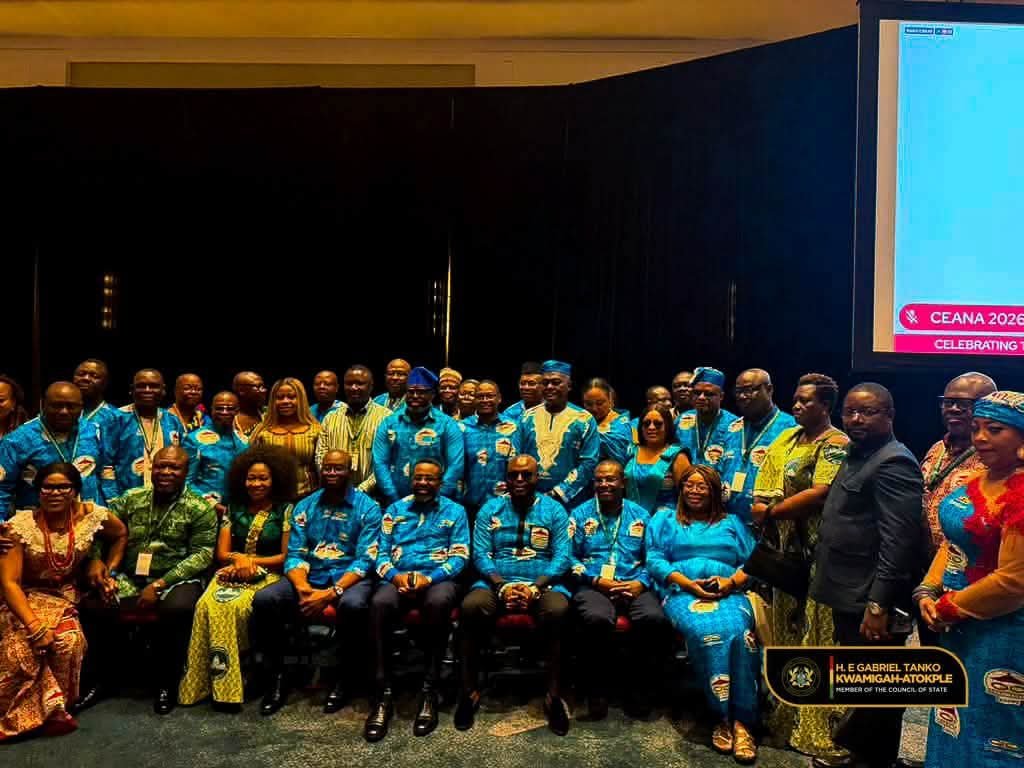
The 2026 Council of Ewe Associations of North America (CEANA) Conference has ended in Maryland, USA, with an ambitious legacy project to establish a state-of-the-art Cancer Research and Treatment Centre in the Volta Region.
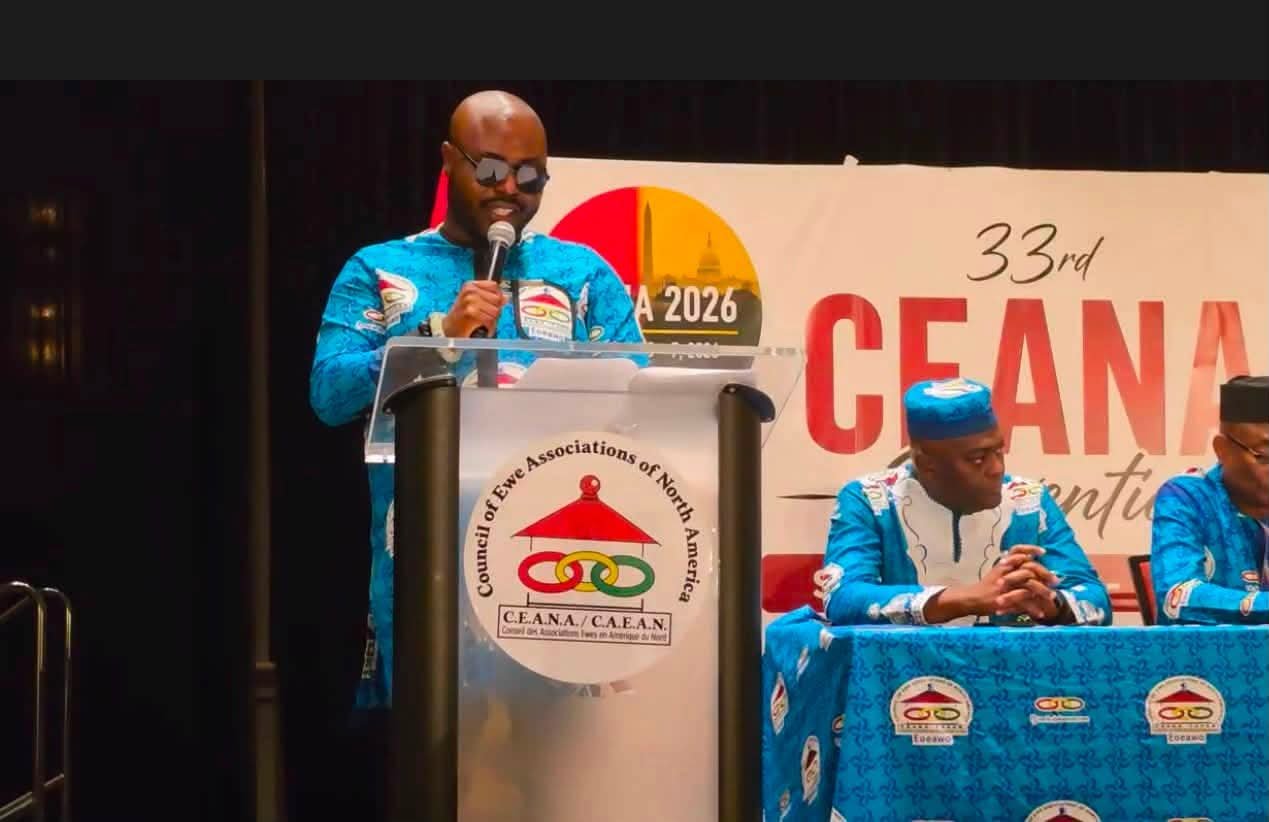
The proposed centre, announced by CEANA President, William Edem Kumah, will be established in collaboration with the University of Health and Allied Sciences (UHAS), Ho.
It is expected to bring together modern cancer research, diagnosis and treatment, supported by advanced medical equipment, while providing facilities for training and research to serve the Volta Region, Ghana and the wider West African sub-region.
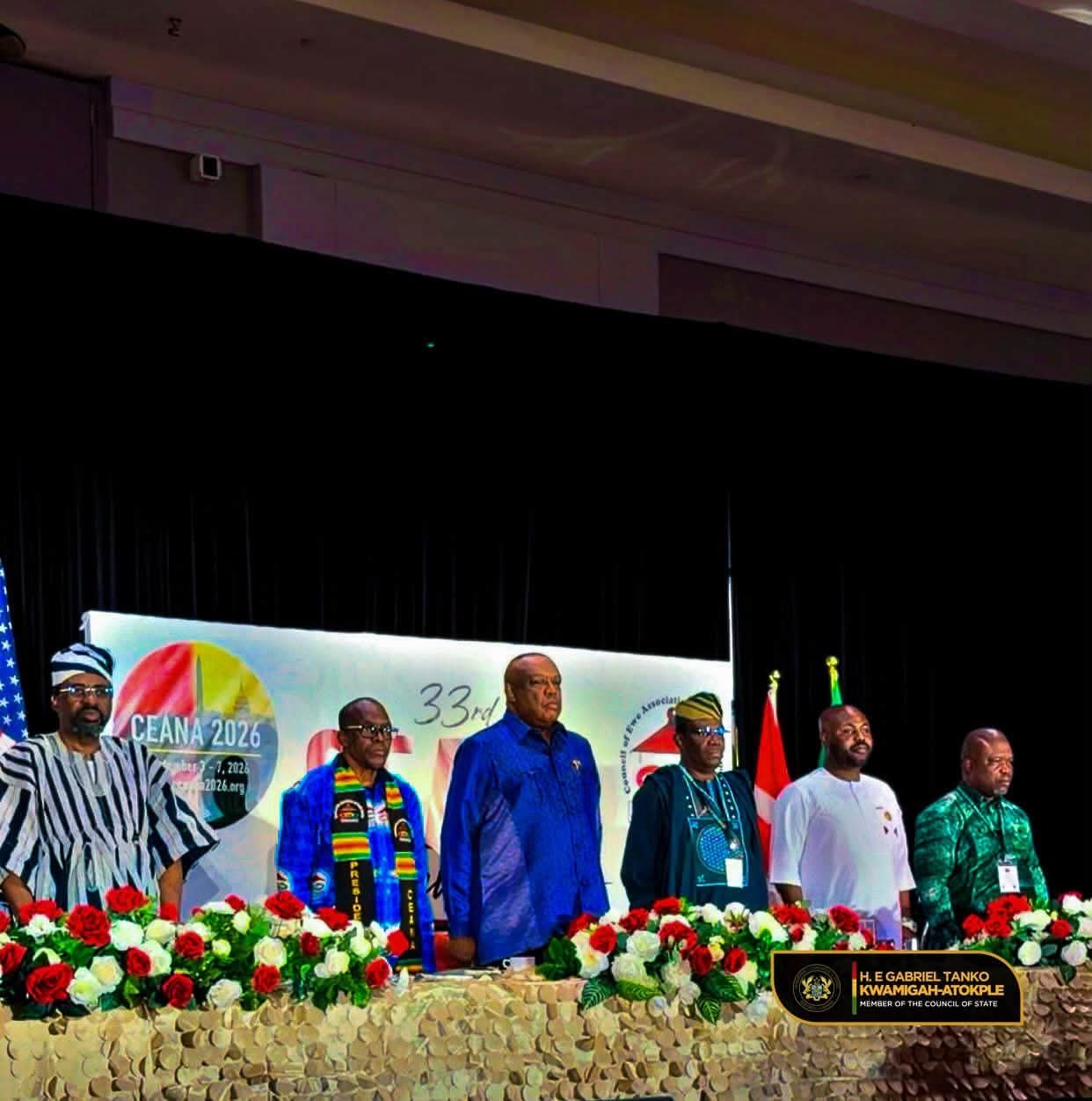
The announcement was made at the conference which was attended by high-profile dignitaries including the Speaker of Ghana’s 9th Parliament, Alban S.K. Bagbin; Volta Regional Representative on the Council of State Dr. Gabriel Kwamigah-Atokple, and Governor of Bank of Ghana, Dr. Johnson Pandit Asiama
The rest are: the Volta Regional Minister, James Gunu; the Governor of the Bank of Ghana, Ghana’s Ambassador to the USA, H.E. Victor Smith; Ghana’s Deputy Permanent Representative to the United Nations, H.E. Ben Dotsei Malor; and Members of Parliament led by Emmanuel Bedzrah and the Majority Chief Whip, Rockson-Nelson Dafeamekpor.
A prominent participant at the conference, who had earlier held discussions with Mr. Kumah during a courtesy call ahead of the event, described the project as timely and transformative, noting that the idea of CEANA partnering with UHAS to establish a centre dedicated to cancer research and treatment had already featured in their conversation.
“At a time when cancer continues to claim many lives across Africa, the proposed centre could change the way cancer is researched and treated in our part of the world,” the participant noted.
He said the project underscores the need to look at the contribution of the diaspora beyond remittances.
“The Ewe community in North America has professionals, researchers, doctors, academics, businessmen and women, engineers and people with valuable networks and experience.
If these resources can be properly connected to institutions and opportunities in Ghana, we can do much more than support individual families.

We can help build institutions that serve generations,” he stated.
He added that the proposed cancer centre is a good example of what can be achieved when diaspora expertise and resources are connected with the academic and professional capacity of UHAS, modern medical technology and the healthcare needs of the people.
When completed, the centre is expected to strengthen cancer research and treatment in the Volta Region and provide an important institution for Ghana and the wider West African sub-region.