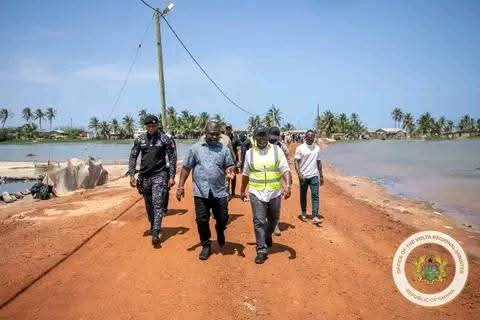






The NPP is calling on the government to meaningfully consult people who will be affected by the 24-hour economy market project before implementation. The party says engaging affected communities is essential to address their concerns, protect livelihoods and ensure the project benefits all stakeholders.
The Minority led by Francis Asenso-Boakye has called on the government to halt and review the implementation of its 24-Hour Economy Market Programme, describing it as poorly conceived, poorly planned and disconnected from the actual development needs of many communities.
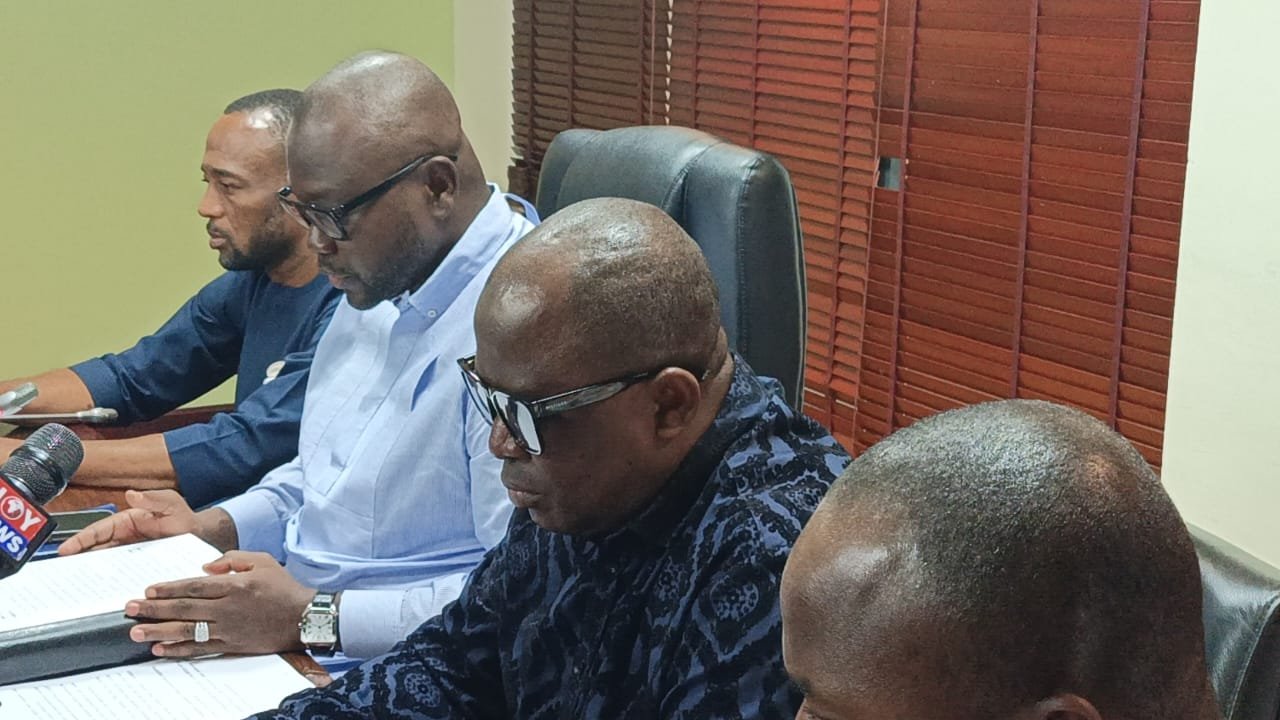
In a press statement issued on Monday, September 14, 2026, by the Ranking Member on the Committee on Local Government and Rural Development, Francis Asenso-Boakye, the Minority said while it is not opposed to the construction and modernization of markets or extended trading hours where there is genuine demand, the current approach raises serious concerns.
According to the Minority, the programme appears to be an afterthought, as it was not presented as a nationwide market infrastructure programme in the governing party’s 2024 manifesto. Yet the government is now pursuing construction of 24-Hour Economy markets across districts regardless of population size, economic activities and existing infrastructure.
The Caucus questioned what needs assessments, feasibility studies and local development plans are guiding the projects, stressing that under Ghana’s Local Governance framework, District Assemblies are the planning authorities.
“Some districts need new markets. Others need their existing markets rehabilitated or expanded. Some already have markets under construction. Others may have more urgent needs such as roads, drainage, schools, health facilities or sanitation infrastructure. Development cannot be one-size-fits-all,” the statement said.
*Demolition of Functioning Assets*
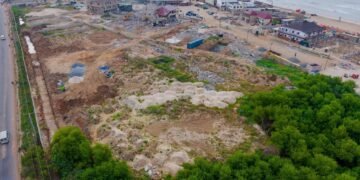
The Minority expressed even greater concern over the demolition or proposed demolition of existing public and community infrastructure to make way for the projects.
Citing examples from across the country, the statement said:
– In Upper Manya Krobo, the existing Asesewa Market has been earmarked for demolition.
– In Kwabre East, an astroturf under construction at Mamponteng has already been demolished.
– In Offinso North, the Nkenkaasu Market built and commissioned in 2007 under President J.A. Kufuor has reportedly been demolished, while a community bank facility at Aboabo has also been pulled down.
– In Ahafo Ano South West, a newly constructed school has reportedly been marked for demolition, with grading and foundation works already started in the middle of the school premises.
– In Nandom in the Upper West Region, a Magistrate Court has reportedly been demolished.
– In Aowin, the Enchi Market, newly constructed and yet to be occupied, has reportedly been pulled down despite community resistance.
– In Wa, the 70-year-old Tendamba Primary School built in 1956 has been pulled down, while in Poyentanga several homes and shops have reportedly been demolished.
– In Agona East, the Mankrong Market is being demolished, while in Wenchi the New Thursday Central Market and in Keta Municipality the Abor Market have been demolished.
– At Kasoa New Market, corn and cassava milling facilities have been demolished, and in Elubo, a newly built storey building for commercial use has been pulled down.
The Minority also said traders at several markets including Nungua Market, which has existed for over 50 years, Kwabenya Market, Aiyinase Main Market in Ellembelle, Ashaiman and Kokomba markets are resisting and demonstrating against planned demolitions, preferring rehabilitation instead.
“At a time of severe fiscal constraints, the government must explain the economic justification for destroying useful and, in some cases, recently constructed public assets, only to spend scarce public resources replacing them,” Asenso-Boakye said.
*Demand For Review*
The Minority argued that a market does not become a viable 24-hour market simply because the government calls it one, noting that successful round-the-clock operation requires sufficient commercial activity, security, transport, electricity, sanitation and water, conditions which differ by district.
It has therefore demanded an immediate, comprehensive and non-partisan review of the programme.
The Caucus wants the programme redesigned to be needs-based and demand-driven, guided by District development plans, with existing markets rehabilitated or expanded where appropriate and markets already under construction completed rather than demolished.
It also called for meaningful involvement of Assemblies, traders, traditional authorities and residents in the location, design and operation of the markets.
“We cannot preach decentralization while imposing development priorities from the centre. We cannot destroy useful public and community assets merely to replace them in the name of a new political programme,” the statement concluded.
The Minority urged the government to “build where there is genuine need, upgrade where that makes greater economic sense, consult the project-affected people, respect local development plans, protect existing public assets and protect the public purse.”