






A nation reveals its true soul not in the splendour of its political rhetoric, but in the dignity it accords to those who lay down their lives to protect it.
For decades, the story of Ghana’s public infrastructure, particularly within our security services, has been one of systemic deficit and noble sacrifice stretched beyond human endurance.
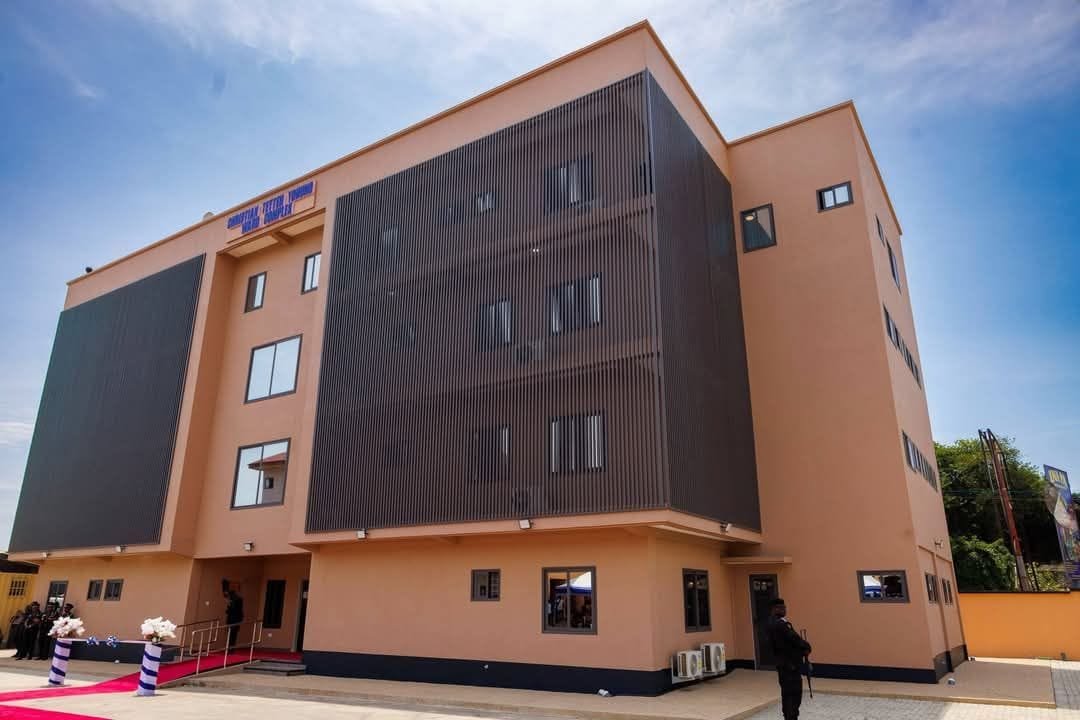
Men and women in uniform, tasked with safeguarding the peace of the republic, have far too often been subjected to healthcare facilities that mirror the very brokenness they are deployed to mend.
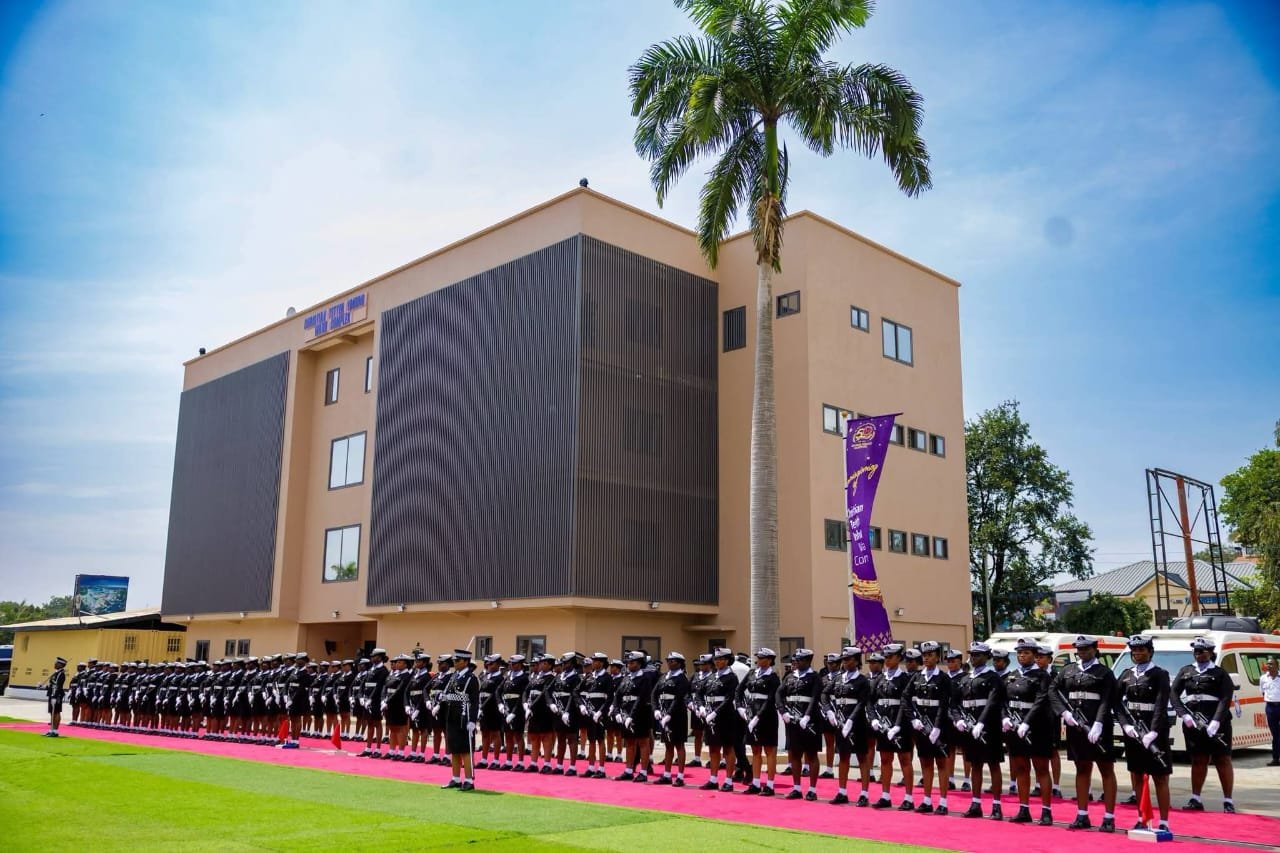
It is against this backdrop of long-standing neglect that the commissioning of the Christian Tetteh Yohuno Ward Complex at the Ghana Police Hospital in Accra must be understood.
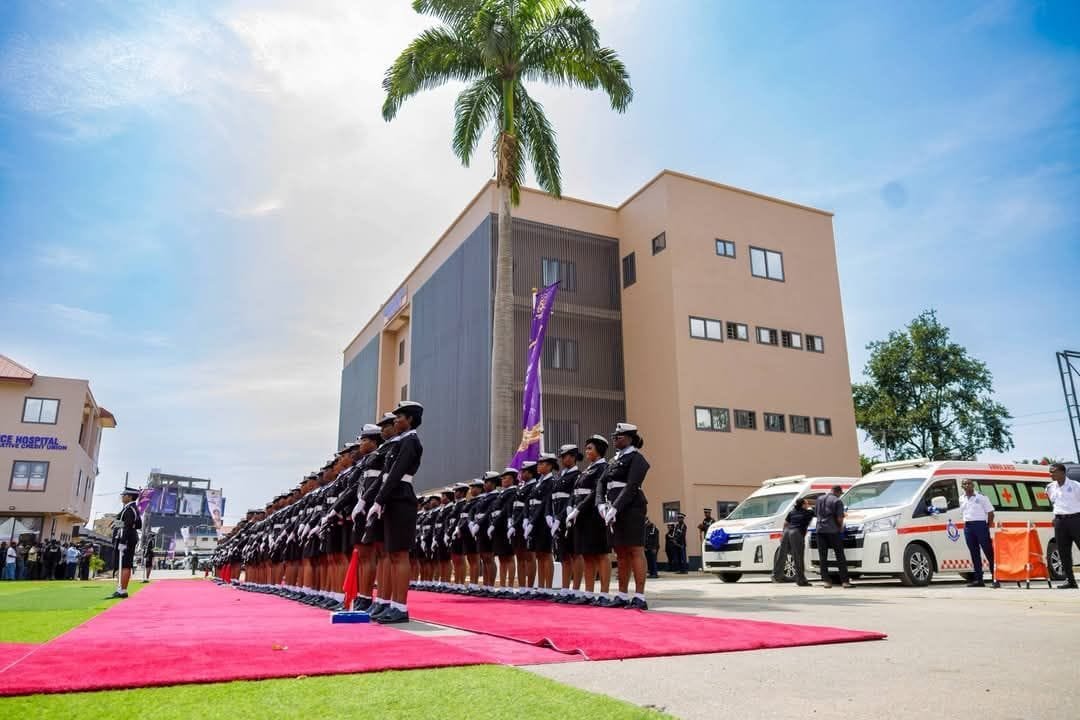
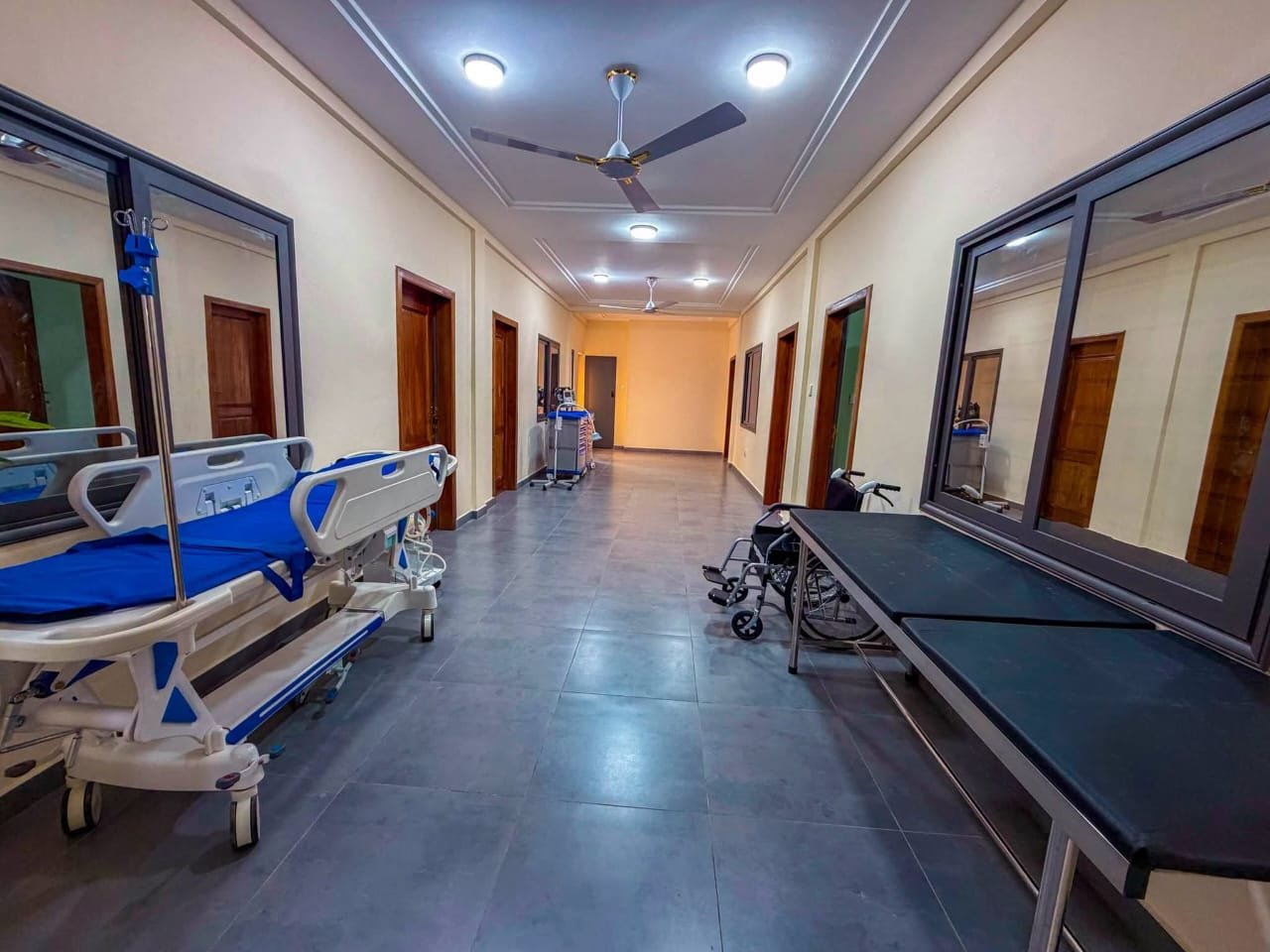
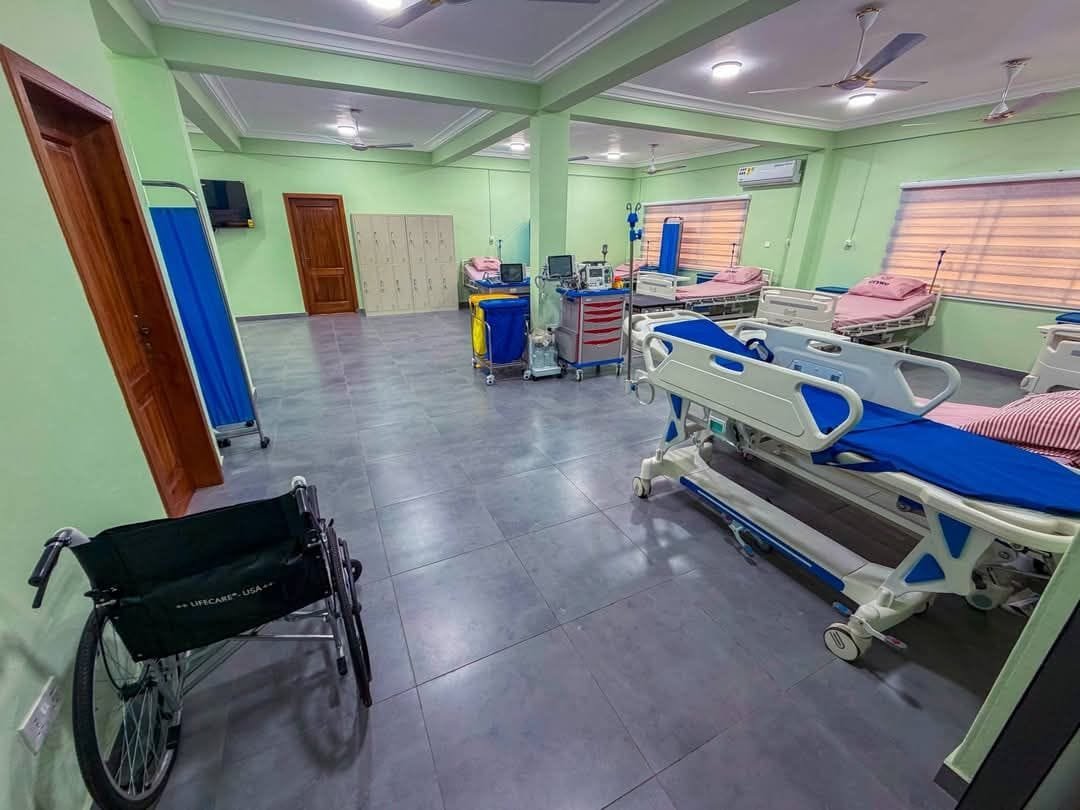
Unveiled by President John Dramani Mahama under the visionary stewardship of Inspector-General of Police Christian Tetteh Yohuno, this 85-bed facility is more than a mere physical expansion; it is a structural statement of national priority.
By raising the hospital’s total capacity to over 200 beds, the state and police administration have taken a deliberate step away from the politics of empty assurances towards the tangible restoration of institutional dignity.
To view this development solely through the narrow lens of healthcare statistics is to miss its broader moral and constitutional imperative.
The Ghana Police Hospital does not merely serve officers; it stands as a critical casualty line for citizens caught in the crossfire of daily emergencies.
When a hospital operates under the oppressive weight of bed shortages, care is inevitably rationed, specialised attention becomes a luxury, and the sacred social contract between the state and its guardians is frayed.
In anchoring this monumental upgrade under the leadership of IGP Christian Tetteh Yohuno, a figure synonymous with discipline, grit, and unyielding public service, the institution links modern administrative leadership directly to a legacy of operational duty.
Yet, symbolic honour holds little value if unsupported by functional capacity.
The introduction of 85 additional beds translates directly into lives preserved, queues shortened, and specialised medical interventions delivered without the agonising delays that have historically plagued public health delivery in the capital.
Infrastructure, when aligned with vision, becomes an instrument of social justice. The modern ward complex provides the spatial sanity required for medical personnel to operate with exactitude and empathy.
For the doctor stretched thin by overwhelming caseloads and the nurse managing overcrowded corridors, additional infrastructure is not merely operational relief, it is the difference between heroic burn-out and sustainable healthcare delivery under the watchful eye of a progressive police command.
Furthermore, this expansion carries a profound legal and moral duty. Under the supreme law of the land, the state is obligated to safeguard the health and well-being of its population.

That obligation double-locks when applied to the security agencies, whose officers are routinely asked to step into danger so that others may live in safety. A society that demands ultimate sacrifice from its police officers cannot, in good conscience, offer them substandard care when they fall ill or are wounded in the line of duty.
Yet, as we rightly commemorate this achievement, we must remain vigilant against the quiet complacency that so often follows ceremonial ribbons and fanfare.
The commissioning of a building marks the beginning, not the climax, of systemic reform.
Bricks and mortar, no matter how impeccably laid, do not administer treatment; advanced diagnostic tools, consistent maintenance regimes, motivated personnel, and an uncorrupted supply of pharmaceuticals do.
Under IGP Christian Tetteh Yohuno’s command, the true test of this ward complex will not lie in its opening ceremony, but in its operational integrity and patient-centred efficiency in the years ahead.
The commissioning of this complex must therefore serve as a blueprint for a wider, uncompromised overhaul of our national security health infrastructure across the country.
Accra cannot remain an island of relative adequacy while regional and district medical posts languish in neglect.
True national security begins with the physical resilience of those who enforce it.
The commissioning of the 85-bed facility at the Ghana Police Hospital is a definitive stride forward, a triumph of structured planning over rhetoric. It affirms a simple, enduring truth: those who guard the republic deserve a state that guards them in return.
The measure of this milestone will ultimately be read not in official plaques, but in the lives saved, the dignity restored, and the unwavering promise that Ghana does not abandon its protectors.
By Raymond Ablorh