








Ghana’s inflation rate has increased to 5.5% in October 2026, up from 5.2% recorded in September, marking the third consecutive monthly rise since July, when inflation stood at 4.6%.
Despite the latest increase, the inflation rate remains 2.5 percentage points lower than the same period last year, when it stood at 8.0%.
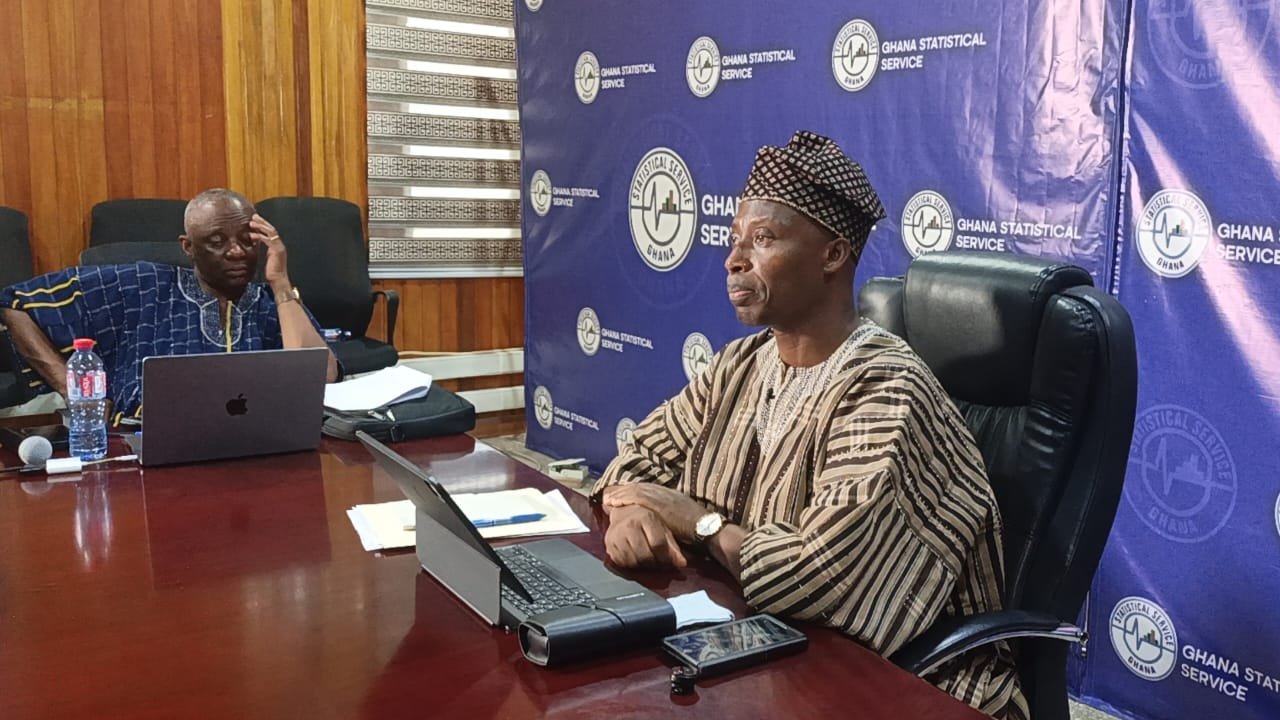
Presenting the October 2026 Consumer Price Index and Inflation Report at a news conference on Wednesday, November 4, 2026, Government Statistician Dr. Alhassan Iddrisu said the overall price level declined marginally by 0.1% during the month, largely driven by a 2.0% drop in food prices.
According to the report, food inflation declined significantly to 2.8% in October, from 4.0% in September. However, non-food inflation increased sharply to 7.9%, compared with 6.2% in the previous month.
Non-food items remain the biggest contributor to inflation, accounting for approximately 75.7% of the overall inflation rate.
The report further revealed that services inflation recorded a significant increase, rising to 11.5% in October from 8.3% in September, making services the area experiencing the strongest price pressures.
On the other hand, goods inflation eased to 3.8% from 4.2% in September.
Inflation for imported items remained unchanged at 2.4%, while locally produced items recorded an increase to 6.9%, from 6.4% in the previous month.
The October figures suggest that although food price pressures are easing, rising costs in the non-food and services sectors continue to put pressure on Ghana’s overall inflation rate.
The latest increase also raises concerns about the sustainability of Ghana’s disinflation process, as inflation has now increased for three consecutive months after reaching 4.6% in July.

The latest inflation figures indicate that Ghana is making progress in containing food price increases, but rising non-food and services costs remain a major challenge. The direction of inflation in the coming months will depend partly on whether these price pressures begin to ease.