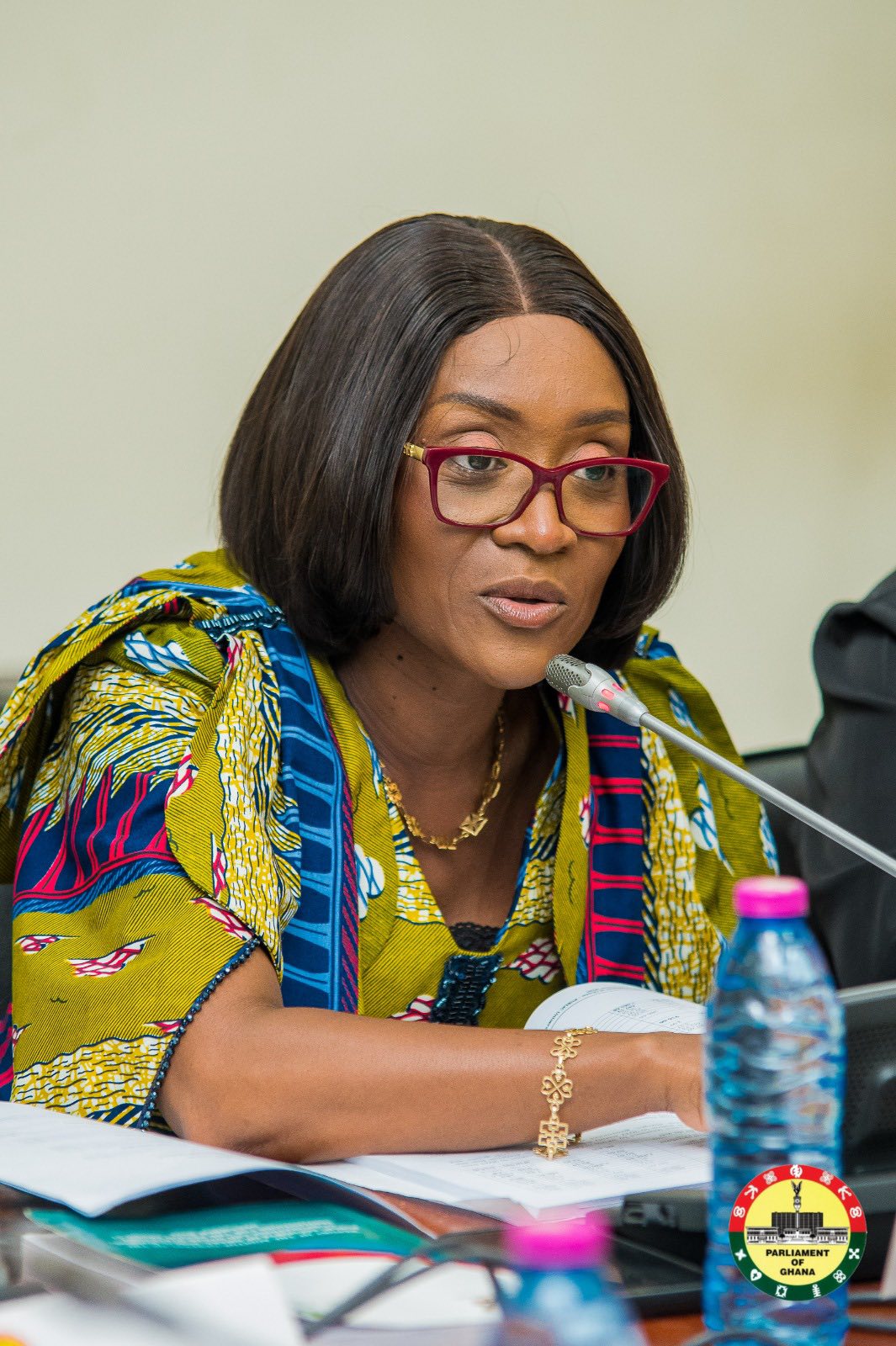








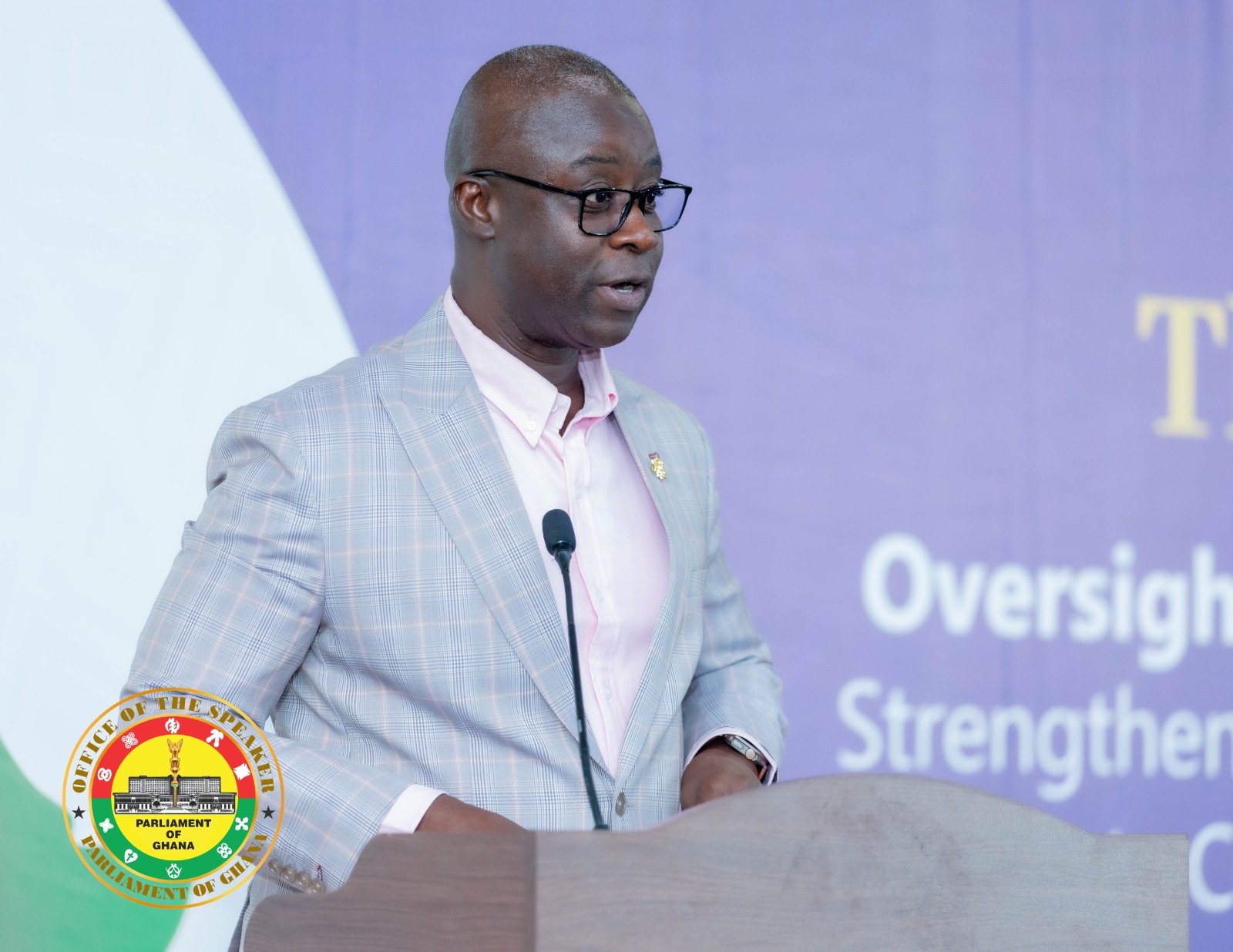
The Member of Parliament for Wa East and Chairman of the Agriculture Committee, Dr. Seidu Jasaw, has delivered remarks on behalf of the Majority Leader, James Agalga, challenging Public Accounts Committees (PACs) across Africa to move beyond hearings and focus on ensuring audit recommendations are actually implemented.
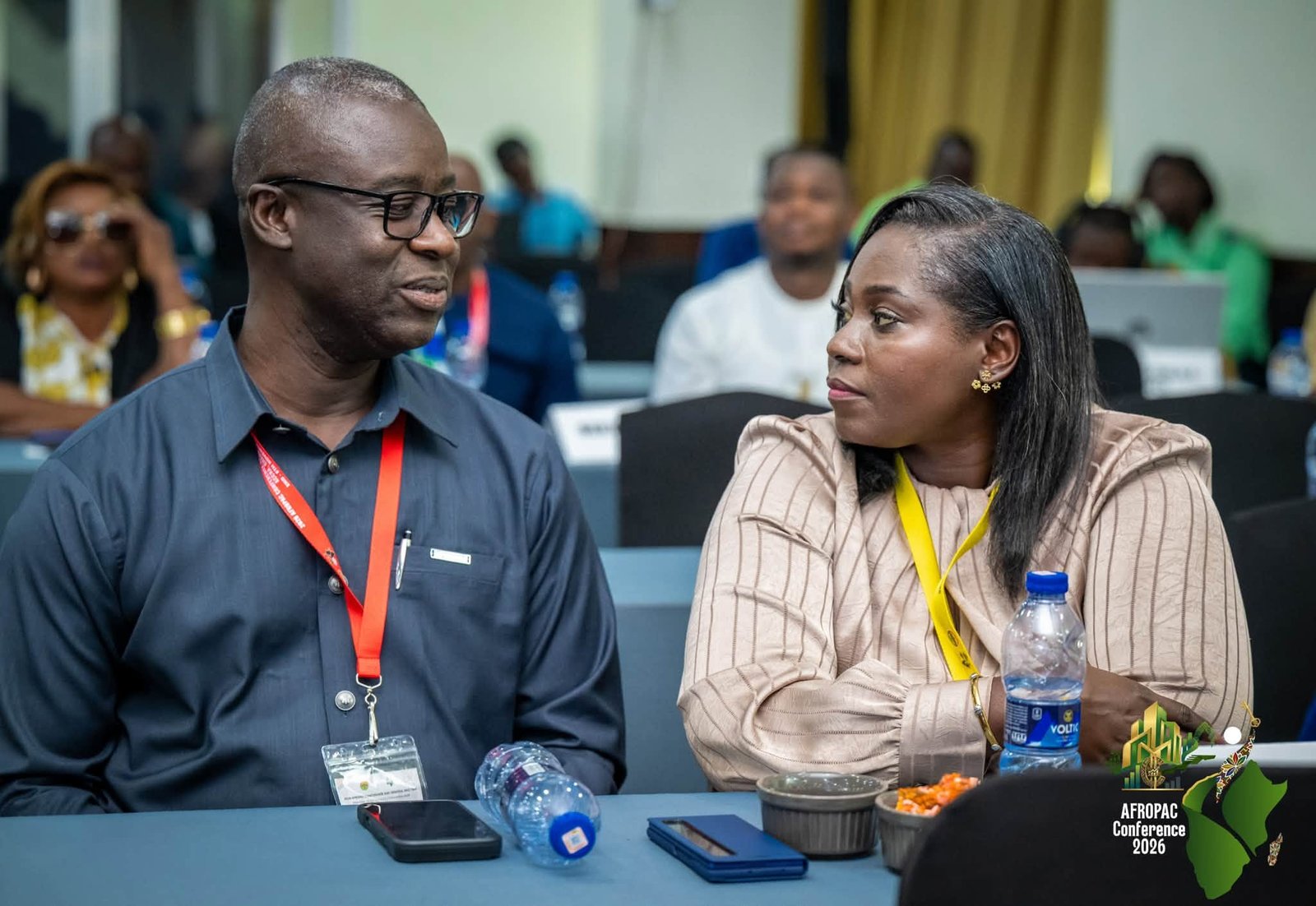
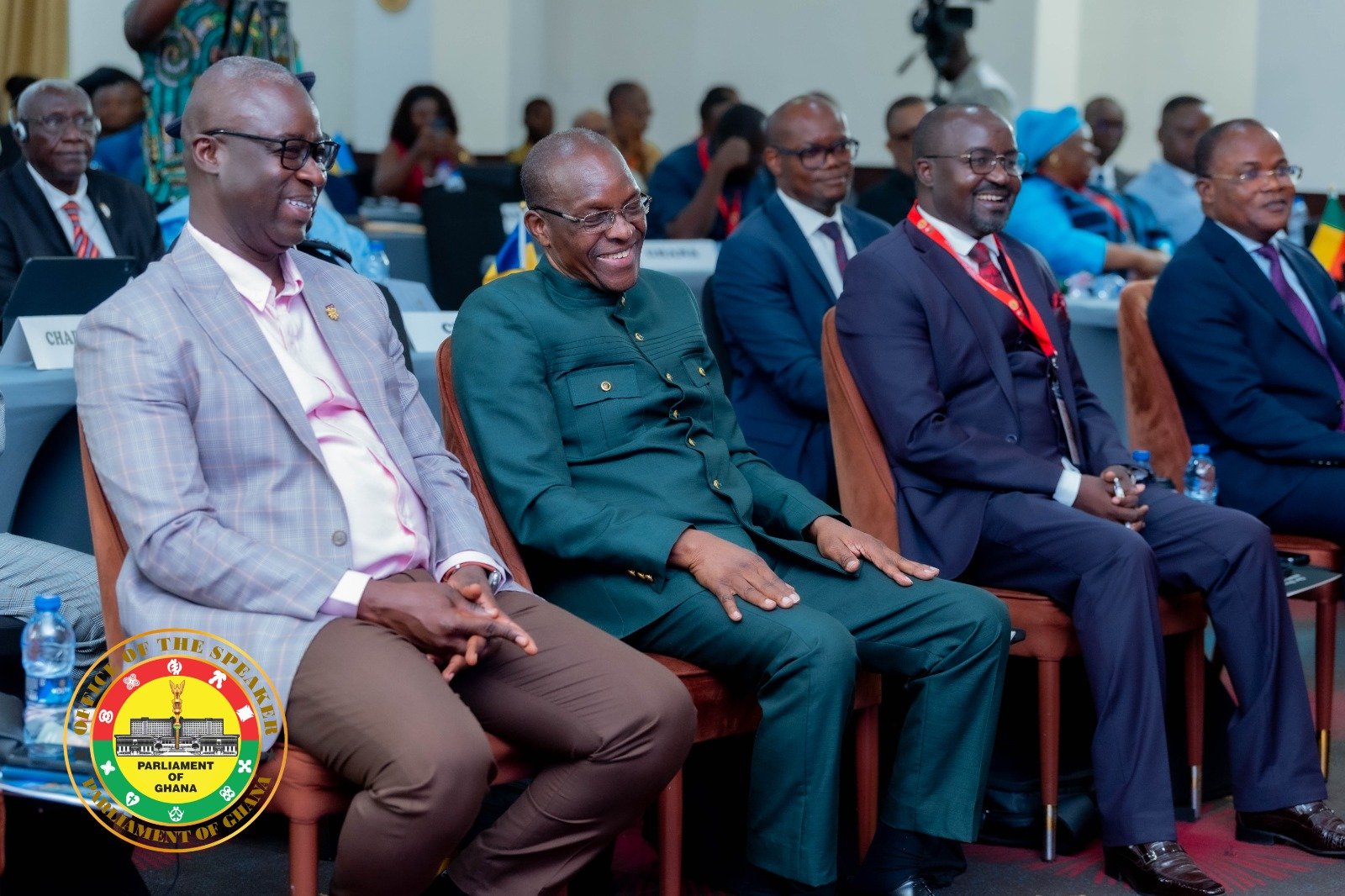
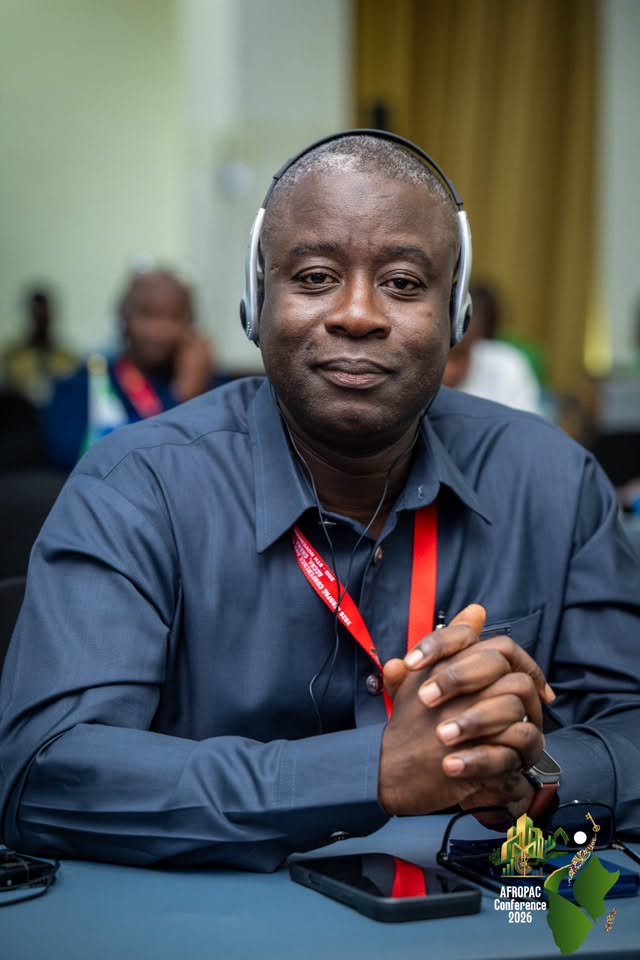
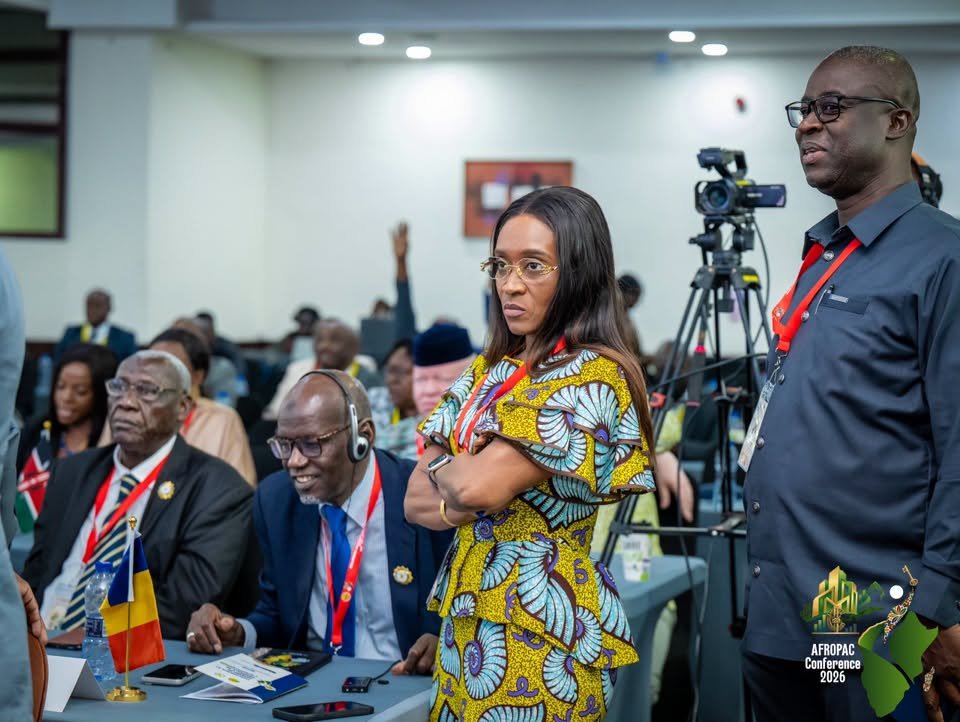
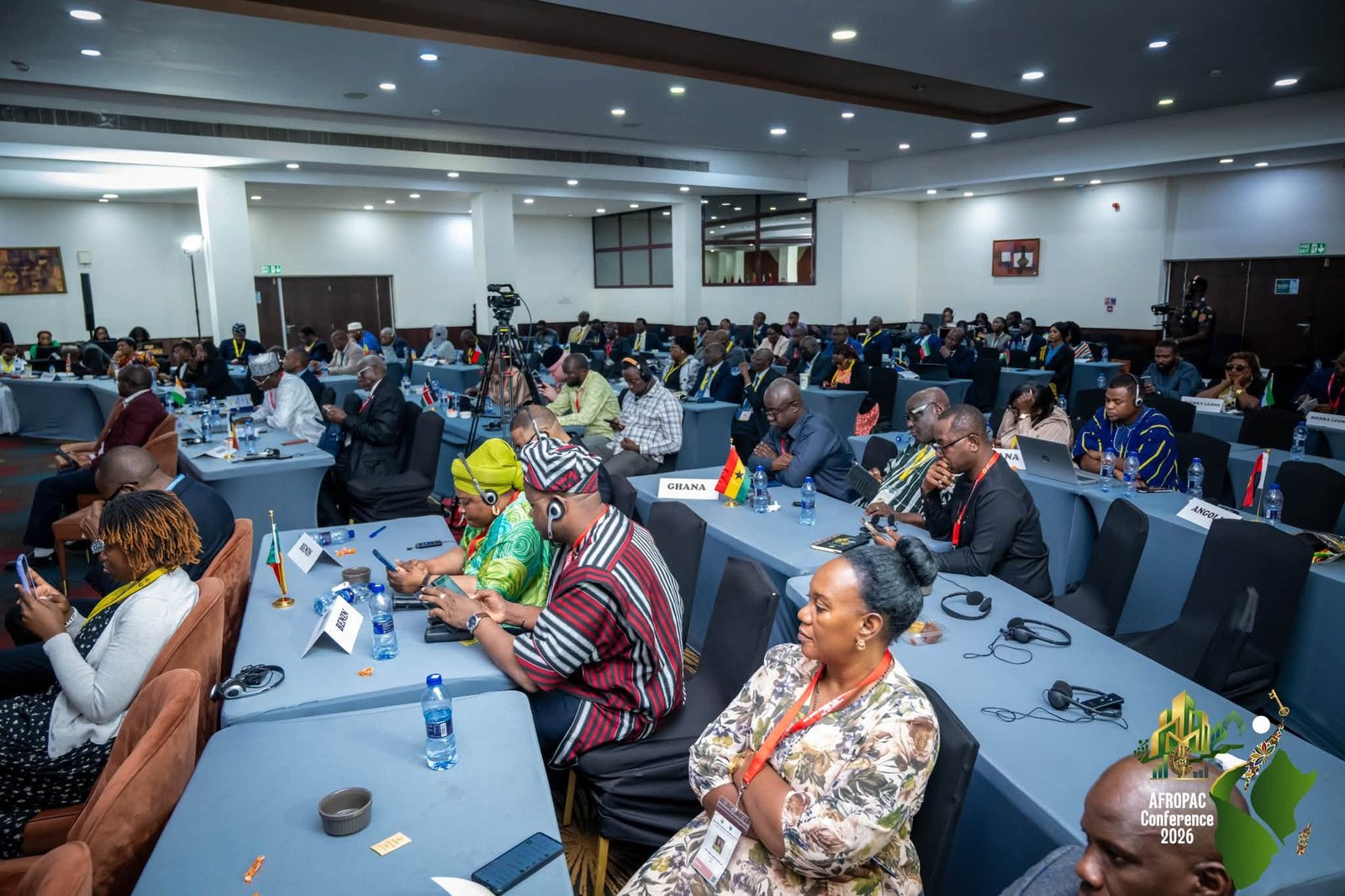
Dr. Jasaw delivered the address at the opening ceremony of the 6th Conference and General Meeting of the Africa Organisation of Public Accounts Committees (AFROPAC), held from November 2 to 5, 2026, at the Alisa Hotel, North Ridge, Accra.
The conference is on the theme: “Oversight for Resilience: Strengthening Africa’s Public Accounts Committees Amid a Shifting Financial Landscape.”
It brought together chairs and members of PACs, Auditors-General and heads of Supreme Audit Institutions, governance, financial and revenue institutions, development partners and civil society representatives from across the continent.
Tight budgets, rising debt
In the remarks, the Majority Leader said the delegates were meeting at a defining moment for Africa, with nations navigating tight budgetary space, rising debt-servicing burdens, volatile external conditions and growing demands on essential public services.
“Public financial management is never merely an accounting exercise. It is the bedrock of sovereign resilience, macroeconomic stability, and the social contract between the state and its citizens,” the statement said.
It stressed that robust legislative oversight is not an impediment to government business, but a vital partner in maintaining fiscal discipline, driving institutional reform, and ensuring public investments deliver their intended impact.
From findings to implementation
According to the remarks, lasting progress requires closing the gap between audit detection and administrative remedy.
“For too long, the work of Public Accounts Committees has been viewed primarily through committee hearings. Yet the true measure of oversight lies in systematic follow-up,” it said.
Governments and parliaments were urged to institutionalize responsive procedures — statutory Treasury Memoranda, structured executive responses, and verifiable departmental timelines.
Manual tracking, it said, is no longer sufficient. The statement proposed interoperable digital platforms linking PACs, Supreme Audit Institutions and Ministries of Finance, so that audit findings are assigned, tracked, resolved and publicly reported.
“When audit findings are assigned, tracked, resolved, and publicly reported, oversight shifts from a post-mortem review to an active engine of administrative performance,” it said.
In Ghana, it said, oversight’s credibility depends not on the number of hearings held, but on the number of recommendations implemented.
The conference was urged to consider practical measures including a model PAC–SAI–Ministry of Finance follow-up protocol, a shared digital audit-recommendation tracker, standard Treasury Memoranda with clear deadlines, peer reviews of PAC performance, and annual public reporting on implementation of audit recommendations.
Debt and illicit flows
On debt and domestic revenue, the remarks said discipline must guide stewardship of sovereign debt and domestic revenue mobilization.
It cited the adoption of the Common African Position on Debt by African Union Heads of State and Government in February 2026 as an important milestone, but said its value will be judged by implementation — transparent borrowing, credible debt reporting, careful management of contingent liabilities, and parliamentary scrutiny that ensures restructuring creates fiscal space for productive investment.
It warned that Africa’s fiscal foundations will remain vulnerable while illicit financial flows continue to drain tens of billions of dollars from the continent each year.
It called for revenue authorities, financial intelligence units and oversight committees to act as a coordinated accountability chain, using transparent procurement, beneficial-ownership disclosure, stronger contract oversight and sustained engagement with revenue institutions.
Health and climate funds
The same standard, it said, must safeguard investments in public health and climate adaptation.
Oversight must ask three questions: Was the money spent as approved? Was it spent efficiently? Did it deliver measurable results for citizens?

Whether resources come from domestic budgets or international financing envelopes, including support from the Global Fund, committees must verify value for money, monitor execution timelines and ensure funding translates into tangible improvements in people’s lives.
Renewed commitment
The statement said executive governance is fortified, not weakened, by rigorous and constructive parliamentary scrutiny.
AFROPAC was urged to deliver practical, actionable conclusions that respect institutional mandates and raise the standard of regional accountability and peer learning.
“Let Accra mark not only another conference but also a renewed commitment: that audit findings will be addressed, recommendations will be implemented, public resources will be protected, and citizens will see the value of oversight in better services and stronger institutions,” it said.